
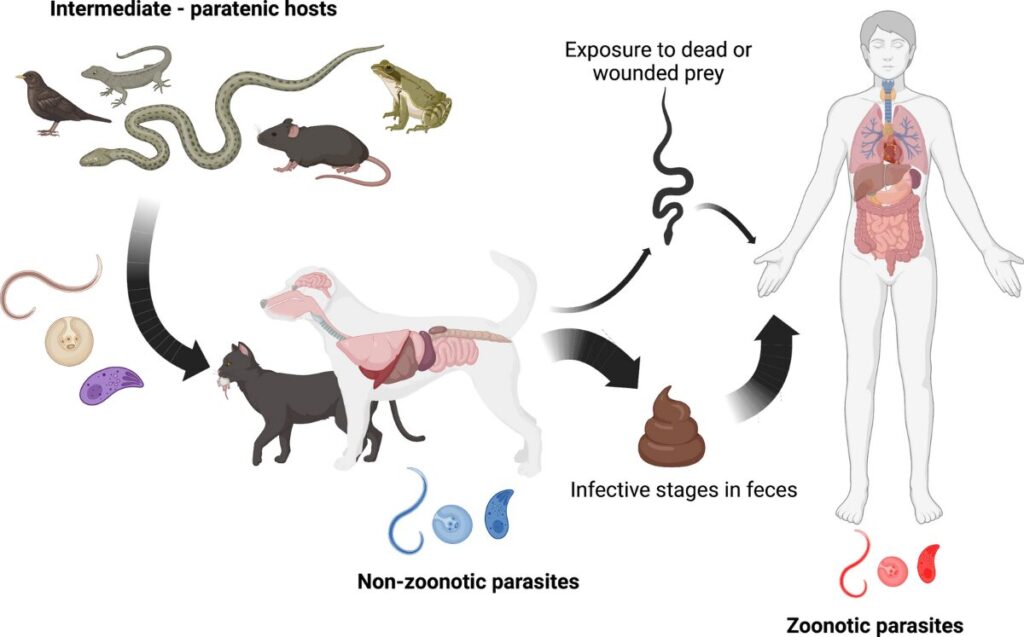
As a responsible pet owner, it’s essential to be aware of the potential risks associated with sharing your living space with dogs and cats. These animals can carry diseases that can be transmitted to humans through various means, making it crucial to take preventive measures to minimize the risk of zoonotic infections.
What are Zoonoses?
Zoonoses are diseases or infections that can be transmitted from animals to humans. There are hundreds of zoonoses, and listing them all would be impossible. However, we’ll focus on the most common ones and discuss how they can be prevented.
The Dangers of Coming into Contact with Animals Exposed to Wild or Stray Animals
When you bring your dog for a walk in a park where there are many stray dogs that have not received vaccinations or veterinary care, your pet is exposed to a higher risk of contracting zoonotic diseases. Similarly, if sheep visit an area where wild animals have left their waste, they can become infected with diseases like brucellosis.
How Zoonoses Are Transmitted
Zoonoses can be transmitted through various means, including:
- Apertures in the body: Animals can transmit diseases through cuts or lesions on your skin, such as a bite from an infected rodent or a scratch from a cat.
- Lesions and micro-lesions of the skin: Lesions or micro-lesions on the skin can be a gateway for parasites that cause zoonotic infections.
- Ingestion of contaminated food or water: Eating undercooked meat, unwashed vegetables, or drinking contaminated water can lead to zoonosis.
Common Zoonoses
Some common zoonoses include:
- Malaria: Transmitted through the bite of an infected mosquito, malaria is a significant risk in certain parts of the world.
- Leptospirosis: Caused by the bacteria Leptospira, this disease can be transmitted through contaminated water or soil.
- Toxoplasmosis: This parasitic infection can be spread through contact with cat feces, particularly during pregnancy.
Prevention is Key
By taking simple precautions and being aware of the risks associated with zoonotic infections, you can significantly reduce your chances of contracting diseases that are transmitted from animals to humans. Here are some tips for preventing zoonoses:
- Wash your hands frequently: After coming into contact with animals, wash your hands thoroughly with soap and water.
- Keep your pets up-to-date on vaccinations: Regular veterinary check-ups can help prevent the transmission of diseases between animals.
- Clean and disinfect surfaces regularly: Regular cleaning and disinfection of surfaces can help reduce the risk of zoonosis transmission.
Preventing Zoonotic Infections
Here are some additional tips for preventing zoonotic infections:
- Avoid contact with wild or stray animals: Avoid touching or handling wild or stray animals, as they may carry diseases that can be transmitted to humans.
- Use insect repellent: Use insect repellent when outdoors to prevent mosquito bites, which can transmit diseases like malaria and dengue fever.
- Keep your home clean and disinfected: Regular cleaning and disinfection of your home can help reduce the risk of zoonosis transmission.
Frequently Asked Questions
Here are some frequently asked questions about zoonoses:
Q: What is the most common way that humans get infected with zoonotic diseases?
A: The most common way that humans get infected with zoonotic diseases is through contact with animals that have come into contact with wild or stray animals.
Q: Can I get infected with a zoonosis if I touch my pet’s food or water bowl?
A: While it’s unlikely, touching your pet’s food or water bowl can increase the risk of transmission. However, washing your hands thoroughly after handling your pet’s food and water can significantly reduce this risk.
Q: Are all cats carriers of toxoplasmosis?
A: Not all cats are carriers of toxoplasmosis. Cats that are infected with the parasite typically become sick or die soon after infection, so they are unlikely to be carriers in the long term.
Q: Can I get infected with a zoonosis if I handle topi or rodents that carry the disease?
A: Yes, handling topi or rodents that carry diseases can increase your risk of transmission. However, wearing gloves and washing your hands thoroughly after handling these animals can significantly reduce this risk.
Q: Are there any specific precautions that pregnant women should take to prevent zoonosis?
A: Pregnant women should take precautions such as avoiding contact with cat feces, washing their hands frequently, and keeping their pets up-to-date on vaccinations.
Q: Can I get infected with a zoonosis if I drink contaminated water or eat undercooked meat?
A: Yes, drinking contaminated water or eating undercooked meat can increase your risk of transmission. However, following proper food handling and preparation practices can significantly reduce this risk.
Q: How often should I have my pet checked for zoonotic diseases?
A: It’s recommended to have your pet checked regularly by a veterinarian to ensure that they are up-to-date on vaccinations and do not carry any diseases that can be transmitted to humans.


