
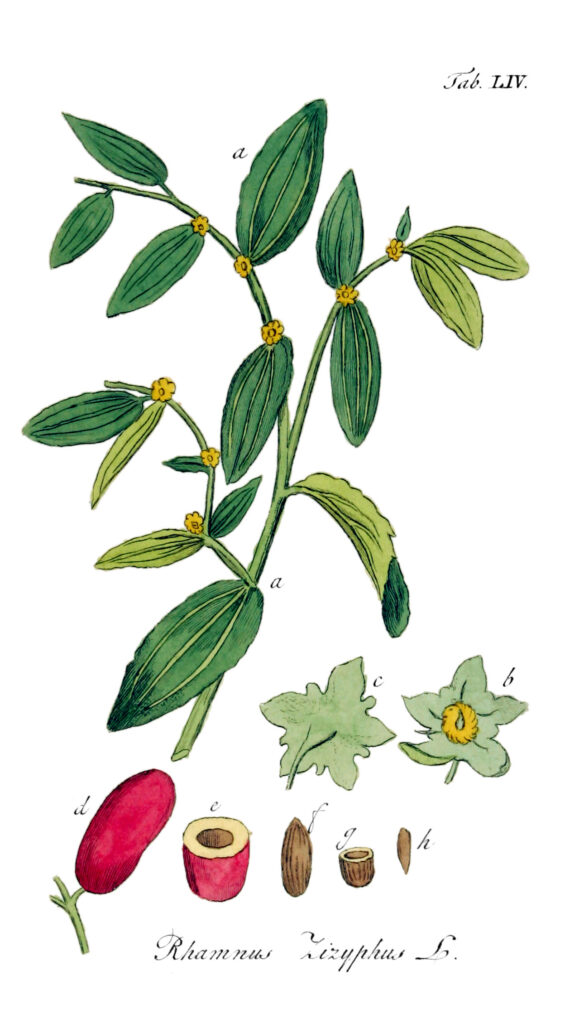
As we delve into the epic poem of Homer’s Odyssey, we come across a legendary “tree of the lotus.” Today, we’ll explore the fascinating properties of one of its fruits, the Ziziphus. This ancient plant has been naturalized in the Mediterranean region for centuries, with locals referring to it as Giuggiolo.
What are the Properties of Ziziphus Fruits?
Let’s dive into the unique characteristics of Ziziphus fruits. These small, sweet fruits have garnered interest due to their interesting properties and potential health benefits. They can be consumed fresh or dried, showcasing a range of effects on digestion, sleep, and even stress relief.
In traditional Chinese medicine, Ziziphus seeds are used to combat insomnia, with astonishing results. Recent studies have shed light on the bioactive compounds responsible for its sedative effects, including flavonoids, saponins, and polysaccharides. These compounds interact with the brain’s chemistry, promoting relaxation and restful sleep.
One study conducted in 2007 by the College of Food at South China University of Technology revealed that extracts from Ziziphus jujuba Miller significantly influenced motor functions in mice, demonstrating a pronounced sedative effect. The results indicated increased sleep duration, reduced anxiety levels, and enhanced cognitive function.
Unlocking the Power of Saponins
Among the bioactive compounds present in Ziziphus seeds are saponins, which seem to be the most potent in terms of their sedative effects. These natural detergents have been used by plants to defend against bacterial and fungal attacks. In humans, saponins can lower blood pressure and exhibit anti-inflammatory properties.
Another study on animals found that Ziziphus extracts had a positive impact on cardiovascular health. The drupe’s unique combination of nutrients and antioxidants may help regulate blood sugar levels and improve overall heart function.
A Sweet Treat for Birds and Humans Alike
The sweet, energy-rich fruit of the Ziziphus tree is not only beneficial for humans but also attracts birds. These beautiful drupes are a favorite among songbirds, which disperse seeds by consuming them. However, it’s essential to note that the seed itself should not be consumed.
In traditional Chinese medicine, Suan zao ren (the fruit of Ziziphus jujuba) is believed to nourish the heart’s yin energy, increase blood flow to the liver, and calm the spirit. It’s used to treat irritability, insomnia, and palpitations.
Understanding the Plant
The Ziziphus plant, belonging to the Rhamnaceae family, can grow as a shrub or small tree with thorny branches. Native to temperate and subtropical regions worldwide, it thrives in well-drained soils with moderate temperatures between 12°C and 35°C.
In Italy, this versatile plant is not commonly cultivated, although some varieties have adapted to the Mediterranean climate. The leaves are decidual in some species, while others retain their foliage year-round. Flowers are small and yellowish-gray, and fruits range from yellow-magenta to black, globular, or oblong shapes with a sweet, datterine-like taste.
Habitat and Cultivation
Ziziphus trees prefer well-drained soils with moderate temperatures, making them suitable for regions with warm-temperate and subtropical climates. However, they are not ideal for acidic soils or areas prone to flooding. Some species have adapted to the Mediterranean climate, showcasing remarkable resilience.
Propagation Methods
To propagate Ziziphus trees, one can use seeds, cuttings, or layering methods. Seeds are typically sown in well-drained soil with moderate temperatures. Cuttings should be taken from healthy branches and rooted in a greenhouse or indoor potting mix. Layering involves digging a trench around the base of the tree, covering it with soil, and allowing roots to form.
Common Varieties
Several species of Ziziphus exist, each with unique characteristics and uses. Some popular varieties include:
- Ziziphus jujuba Miller: Native to China, this variety is widely cultivated for its medicinal properties.
- Ziziphus judaica: A Mediterranean native, this species is often grown in warm climates for its fruit and ornamental value.
- Ziziphus serrata: Found in southern Asia, this species is prized for its fragrant flowers and sweet fruit.
Cultural Significance
The Ziziphus tree has been an integral part of human culture for centuries, featuring prominently in various mythologies and folklores. In ancient Greece, the “tree of lotus” was said to have magical powers, granting eternal youth and wisdom to those who consumed its fruit.
In Japan, the Ziziphus jujuba is considered a symbol of longevity and health, with the fruit believed to promote spiritual growth and well-being. The plant’s adaptability and resilience have made it an enduring presence in various cultures, reflecting humanity’s shared relationship with nature.
Conclusion
The Ziziphus tree is an incredible plant with a rich history and diverse uses. Its sweet fruit has been employed in traditional Chinese medicine for centuries, exhibiting impressive health benefits. By understanding the properties of this fascinating plant, we can appreciate its value as a natural remedy and explore ways to harness its potential.
Frequently Asked Questions
- What are the benefits of consuming Ziziphus fruits?
Ziziphus fruits have been traditionally used in Chinese medicine for their sedative effects, digestive properties, and potential cardiovascular health benefits. - Can I grow a Ziziphus tree in my garden?
Yes, with proper care and attention to soil conditions, you can successfully cultivate a Ziziphus tree in your garden. - Are there any specific health risks associated with consuming Ziziphus fruits?
While generally considered safe, excessive consumption of Ziziphus fruits may lead to stomach upset or interact with certain medications. - How do I use Suan zao ren (Ziziphus jujuba) in traditional Chinese medicine?
Suan zao ren is typically used as a tea, decoction, or supplement, with dosages varying depending on the specific condition being treated. - Can I consume Ziziphus seeds?
No, it’s recommended to avoid consuming Ziziphus seeds due to their potential toxicity and unproven health benefits.
Future Research Directions
Further research is necessary to fully understand the potential health benefits of Ziziphus fruits and seeds. Studies could focus on:
- In-depth analysis of bioactive compounds: Investigating the specific compounds responsible for the plant’s sedative effects, cardiovascular benefits, and anti-inflammatory properties.
- Clinical trials: Conducting human studies to confirm the efficacy and safety of Ziziphus extracts in treating various health conditions.
- Ecological impact assessment: Evaluating the environmental impact of large-scale cultivation or harvesting of Ziziphus trees, ensuring sustainable practices are adopted.
Conclusion
The Ziziphus tree is an enigmatic plant with a rich history and diverse uses. Its fascinating properties and potential health benefits make it an intriguing subject for further research and exploration. By continuing to uncover the secrets of this ancient plant, we can unlock its full potential as a natural remedy and promote sustainable practices in our pursuit of well-being.


