
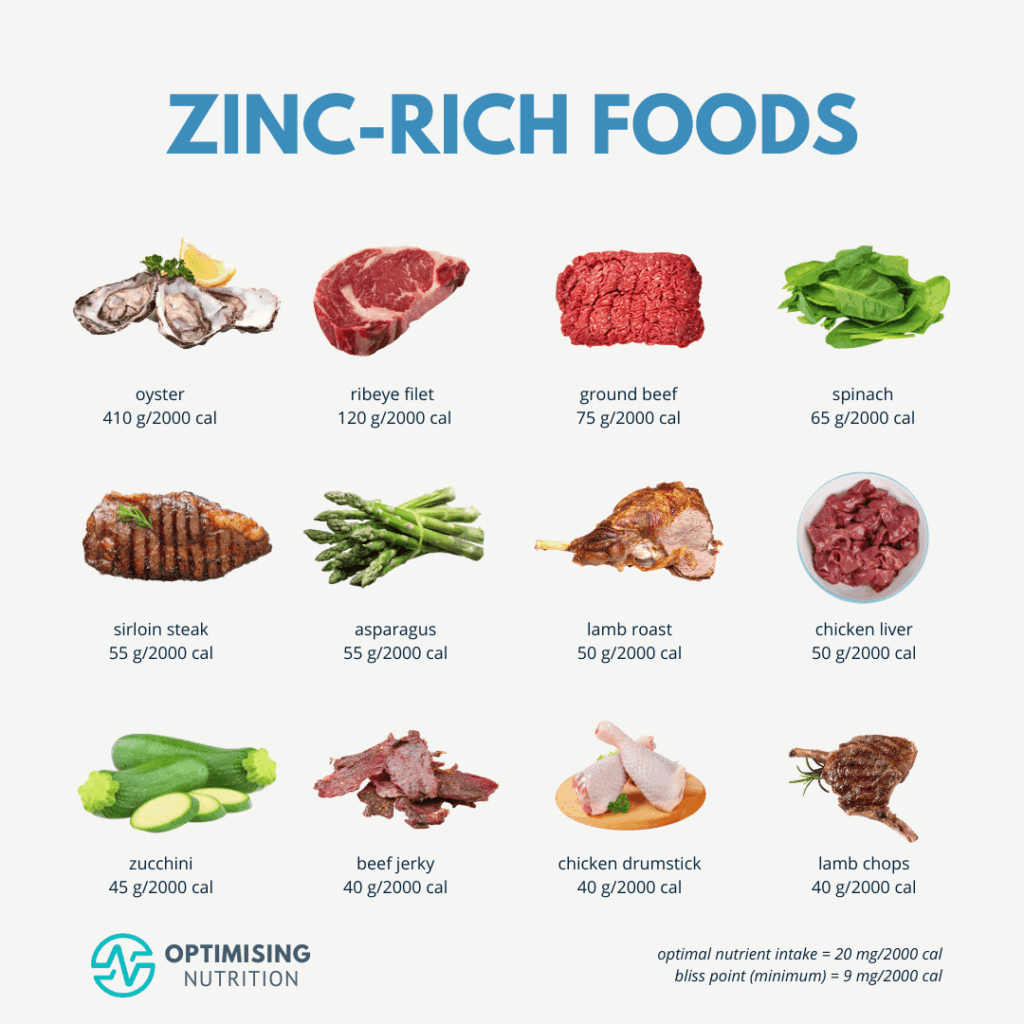
Zinc is an essential element that plays a vital role in maintaining our overall health. Despite its importance, many of us are unaware of the best ways to incorporate zinc into our diet or know how much we need daily. In this article, we will explore the benefits of zinc, food sources, and how to ensure adequate intake.
What is Zinc?
Zinc is a mineral that is found in various foods and is essential for many bodily functions. It plays a crucial role in immune function, protein synthesis, and wound healing. A deficiency in zinc can lead to a range of health issues, including weakened immunity, slow growth and development, and impaired wound healing.
History of Zinc
Zinc has been used for centuries in traditional medicine, dating back to ancient civilizations such as Egypt, Greece, and Rome. The earliest recorded use of zinc was by the Egyptians, who used it to treat various ailments, including skin conditions and wounds. The Greek physician Hippocrates also recognized the importance of zinc, recommending it for treating respiratory problems.
Food Sources of Zinc
There are several food sources that are rich in zinc, including:
- Oysters: One of the richest sources of zinc, oysters are an excellent addition to any diet.
- Red meat: Beef, lamb, and pork are all good sources of zinc.
- Poultry: Chicken and turkey are also good sources of zinc.
- Legumes: Beans, lentils, and peas are all rich in zinc.
- Nuts and seeds: Pumpkin seeds, sunflower seeds, and cashews are all good sources of zinc.
Zinc-Rich Foods for Specific Health Conditions
Certain foods are particularly beneficial for specific health conditions:
- Diabetes: Legumes, such as beans and lentils, are rich in zinc and can help regulate blood sugar levels.
- Prostate Cancer: Oysters and other seafood are rich in zinc, which may help reduce the risk of prostate cancer.
- Immune System: Chicken, turkey, and beef are all good sources of zinc, which is essential for immune function.
Zinc Supplements: A Good Idea?
Zinc supplements are available in various forms, including capsules, tablets, and lozenges. While they can be beneficial for those who have a deficiency or need an extra boost of zinc, it’s essential to talk to your doctor before starting any supplement regimen. Zinc supplements can also interact with certain medications, such as antibiotics and blood thinners.
Risks of Excessive Zinc Intake
Excessive intake of zinc can lead to nausea, vomiting, and other gastrointestinal issues. It can also cause damage to the kidneys and liver if taken in high doses for an extended period. Symptoms of excessive zinc intake include:
- Nausea and vomiting
- Diarrhea and abdominal pain
- Fatigue and weakness
- Hair loss
How to Get Enough Zinc
To ensure adequate zinc intake, focus on incorporating zinc-rich foods into your diet. Here are some tips:
- Eat oysters, red meat, poultry, legumes, nuts, and seeds regularly.
- Avoid consuming excessive amounts of refined carbohydrates, which can interfere with zinc absorption.
- Consider taking a supplement if you’re not getting enough from food sources.
Zinc for Hair Growth
Zinc is essential for healthy hair growth. It helps to regulate the growth cycle of hair follicles and can help to reduce dandruff and other scalp issues. A deficiency in zinc can lead to:
- Slow hair growth
- Thinning or falling hair
- Dull, brittle hair
Benefits of Zinc for Skin Health
Zinc is also essential for skin health. It helps to regulate the immune system and can help to reduce inflammation. Zinc deficiency has been linked to a range of skin problems, including:
- Acne
- Eczema
- Psoriasis
How Much Zinc Do I Need?
The optimal amount of zinc varies depending on age, sex, and other factors. Generally, adults need around 8-11 milligrams of zinc per day. However, excessive intake can be toxic, so it’s essential to get your daily dose from food sources or supplements.
Foods That Can Interfere with Zinc Absorption
Certain foods can interfere with zinc absorption, including:
- Phosphorus-rich foods: Foods high in phosphorus, such as dairy products and processed meats, can inhibit zinc absorption.
- Caffeine: Caffeine can also interfere with zinc absorption, particularly when consumed in large amounts.
- Polyphenol-rich foods: Foods high in polyphenols, such as green tea and dark chocolate, may decrease zinc absorption.
Conclusion
Zinc is an essential element that plays a vital role in maintaining our overall health. By incorporating zinc-rich foods into your diet and being mindful of excessive intake, you can ensure adequate zinc levels and support optimal bodily functions. Remember to talk to your doctor before starting any supplement regimen, as interactions with medications can occur.
Frequently Asked Questions (FAQs)
- Q: What are some good sources of zinc for hair growth?
A: Oysters, red meat, poultry, legumes, nuts, and seeds are all excellent sources of zinc that can help promote healthy hair growth. - Q: How much zinc should I consume daily?
A: The optimal amount of zinc varies depending on age, sex, and other factors, but generally ranges from 8-11 milligrams per day for adults. - Q: What are the risks of excessive zinc intake?
A: Excessive intake of zinc can lead to nausea, vomiting, and other gastrointestinal issues, as well as damage to the kidneys and liver. - Q: Can I get enough zinc from food sources alone?
A: While it’s possible to get enough zinc from food sources, some individuals may need supplements due to inadequate diet or increased needs. - Q: How do I choose a good zinc supplement?
A: Look for products that are manufactured by reputable companies and contain bioavailable forms of zinc, such as zinc gluconate or zinc citrate. - Q: Can I take zinc supplements with other medications?
A: Always consult your doctor before taking zinc supplements if you’re already taking other medications, as interactions can occur. - Q: How long does it take for zinc to have an effect on the body?
A: Zinc can start to show effects within a few days of supplementation, but optimal results may take several weeks or months to develop. - Q: Can I get too much zinc from food sources alone?
A: While it’s unlikely to get too much zinc from food sources alone, excessive intake can still occur if you consume large amounts of certain foods, such as oysters or red meat.


