
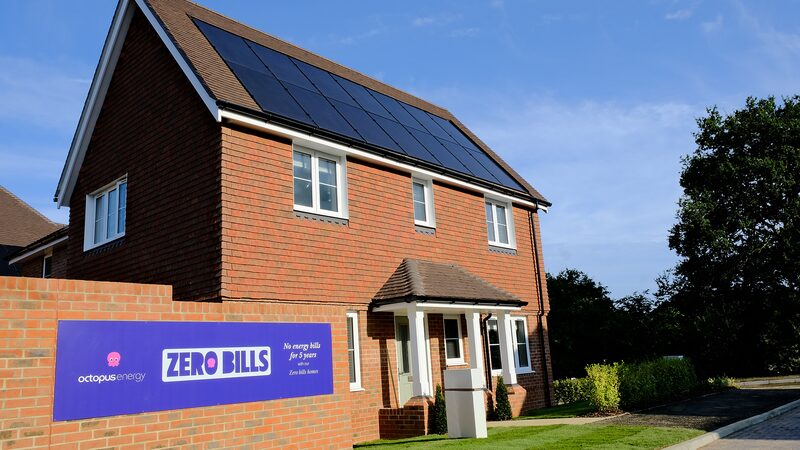
As we strive to reduce our carbon footprint and combat climate change, the concept of sustainable living has become increasingly important. One innovative approach is the integration of renewable energy sources into homes, making them “Zero Energy” or “Net Zero Energy” (NZE). In this article, we’ll explore what NZE homes are, how they work, and what makes them so appealing.
What are Net Zero Energy Homes?
A Net Zero Energy home is a dwelling that produces as much energy as it consumes over the course of a year. This is achieved through a combination of energy-efficient design, renewable energy systems, and on-site generation of electricity. NZE homes aim to minimize the need for external energy sources, reducing reliance on fossil fuels and lowering greenhouse gas emissions.
A Brief History of Sustainable Homes
The concept of sustainable living has been around for decades, but it wasn’t until recent years that technology advanced enough to make a significant impact. The development of solar panels, wind turbines, and energy-efficient building materials paved the way for NZE homes. Today, companies like New Town Builders are leading the charge in creating these eco-friendly dwellings.
The Evolution of Sustainable Building Materials
In recent years, there has been a surge in innovative sustainable building materials. Some of these include:
- Recycled materials: Such as reclaimed wood, recycled glass, and plastic, which reduce waste and minimize environmental impact.
- Low-carbon concrete: A new generation of concrete that reduces carbon emissions by up to 80%.
- Sustainable insulation: Materials like wool, hemp, and recycled denim provide thermal insulation while reducing waste.
Benefits of Sustainable Building Practices
By adopting sustainable building practices, we can reduce our environmental footprint in several ways:
- Reduced resource consumption: By using materials efficiently, we minimize the amount of resources needed for construction.
- Lower carbon emissions: Sustainable building practices like energy-efficient design and renewable energy systems help reduce greenhouse gas emissions.
- Improved indoor air quality: Natural ventilation, non-toxic materials, and efficient insulation create healthier living spaces.
How Do Net Zero Energy Homes Work?
A typical NZE home consists of several key components:
- Solar Panels: These generate electricity from sunlight and feed it back into the grid or store it for later use.
- Energy-Efficient Systems: Advanced insulation, double-glazed windows, and high-performance appliances minimize heat loss and reduce energy consumption.
- On-Site Generation: Wind turbines, geothermal systems, or other renewable energy sources provide additional power when needed.
The Role of Renewable Energy in NZE Homes
Renewable energy plays a vital role in NZE homes. By harnessing energy from natural sources, we can:
- Reduce dependence on fossil fuels: Decreasing reliance on non-renewable energy sources helps mitigate climate change.
- Lower energy costs: Solar panels and wind turbines generate electricity at a lower cost than traditional energy sources.
Real-Life Examples: The New Town Builders Experience
In 2012, the New Town Builders company launched a Zero Energy Home in Denver. This pioneering project showcases the feasibility of NZE living:
- Cost: The initial investment for the “Zero Energy Home” was $26,900, which is included in the total price of $424,000.
- Energy Savings: The home achieves an estimated annual energy savings of 200 euros net, translating to a reduced electricity bill.
Case Study: Net Zero Energy Homes in Canada
In Canada, several companies are leading the way in NZE homes. For instance:
- Canuck Solar: A Canadian solar panel manufacturer that offers bespoke solutions for NZE homes.
- Energy Innovations: A company specializing in energy-efficient building materials and systems.
The Future of Sustainable Living
As technology continues to advance and environmental concerns grow, NZE homes are becoming increasingly popular. By embracing this innovative approach to sustainable living, we can create a more eco-friendly future for generations to come.
Frequently Asked Questions (FAQs)
- What is the estimated cost of building a Net Zero Energy home?
The cost of NZE homes varies widely, depending on factors like location, size, and features. However, the initial investment can range from $20,000 to over $100,000. - Do Net Zero Energy homes require special permits or inspections?
Yes, NZE homes typically require additional permits and inspections to ensure compliance with local building codes and energy efficiency standards. - Can I sell my Net Zero Energy home for a higher price?
Yes, many homebuyers are willing to pay a premium for NZE homes due to their environmental benefits and energy savings.


