
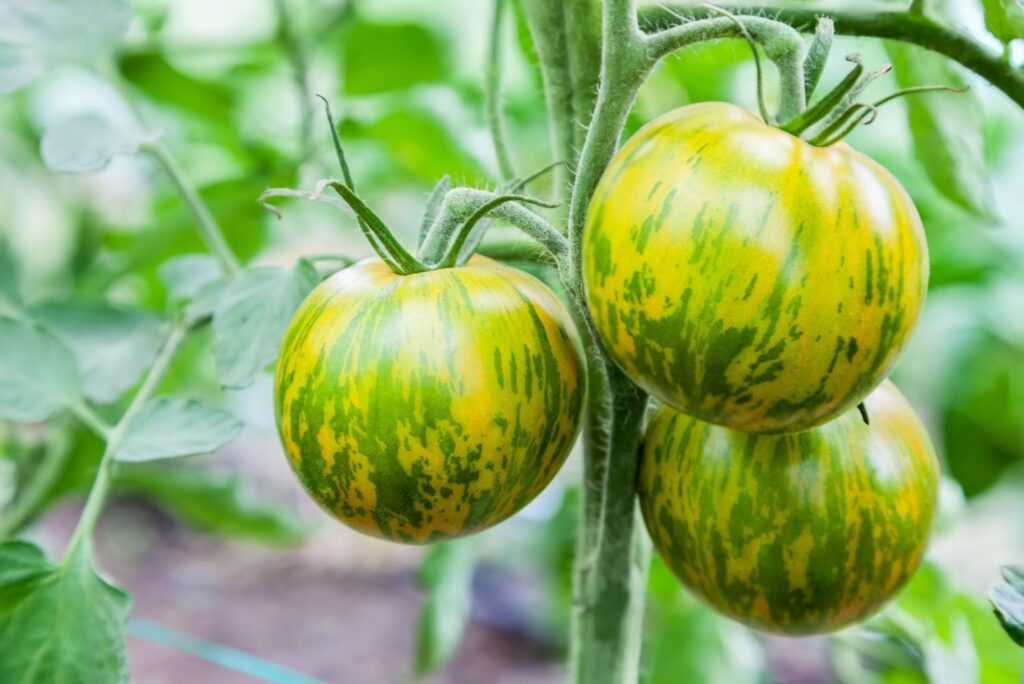
In the world of tomatoes, there’s a new kid on the block that’s taking the culinary scene by storm – the zebrated tomato. This striped sensation has been captivating foodies and gardeners alike with its unique appearance and delicious flavor. But where did this zebra-like wonder come from?
A Brief History of Zebrated Tomatoes
Believe it or not, the origins of zebrated tomatoes date back to the early 1980s. A passionate horticulturist in America discovered a peculiar combination of tomato varieties that resulted in the creation of these striped superstars. The story goes that this talented gardener was working with various types of “Tomatoes” to breed more resistant and productive ones. Among his favorite “Evergreen” tomatoes, which boasted an intense green hue, he found the perfect mate for a new, striped sensation.
The Birth of Zebrated Tomatoes
After years of experimenting, the horticulturist finally succeeded in creating the pomodoro zebrato – the first of its kind. This striking tomato boasts a distinctive appearance with alternating stripes of green and red (or white). Its unique color pattern is not just aesthetically pleasing but also serves as an indicator of ripeness.
Pomodoro Zebrato Verde: The Green Zebra
The original zebrated tomato variety, known as the “Green Zebra,” has a characteristic rosy-brown skin with green and yellow stripes. As the tomato ripens, its skin transitions from a uniform green to a yellowish hue. This subtle color change is accompanied by a tangy taste that shifts between acidity and sweetness.
Pomodoro Zebrato Nero: The Black Zebra
In 2000, a new zebrated variety emerged – the “Black Zebra.” This striking tomato features an inky black skin with similar stripes to its green counterpart. While sharing many characteristics, the Black Zebra has a sweeter taste profile and a hint of smokiness.
Pomodoro Zebrato Rosso: The Red Zebra
First introduced in 1997, the “Red Zebra” boasts an intense red color with similar stripes to its green ancestor. This compact tomato variety produces smaller fruit with a sweet-tart flavor that might be slightly bitter due to its high acidity.
Pomodoro Zebrato Datterino: The Yellow Zebra
As if the zebrated tomato family wasn’t already impressive enough, there’s also the “Datterino” – a striped yellow and green variety. This unique tomato features a smaller size and delicate taste that pairs well with herbs and fresh cheese.
The Many Varieties of Zebrated Tomatoes
With so many exciting varieties available, it can be overwhelming to decide which one to grow or try first. From the classic Green Zebra to the more exotic Yellow Datterino, each type offers its unique charm and flavor profile. And let’s not forget about the many names these striped tomatoes have accumulated – from “Artisan Green Tiger” to “Big Yellow Zebra,” there’s a name for every taste and style.
Growing Zebrated Tomatoes: Tips and Tricks
While zebrated tomatoes are relatively easy to grow, they do require some special care. Here are some tips to help you cultivate these striped superstars:
- Choose the right soil: Zebrated tomatoes prefer well-draining soil with a pH between 6.0 and 7.0.
- Provide adequate sunlight: Tomatoes need full sun to produce plenty of fruit, so choose a spot that receives at least six hours of direct sunlight per day.
- Water carefully: Avoid overwatering, as this can lead to fungal diseases and root rot. Instead, water your zebrated tomatoes when the top inch of soil feels dry.
- Fertilize regularly: Feed your zebrated tomatoes with a balanced fertilizer once a month to promote healthy growth and fruit production.
Using Zebrated Tomatoes in Cooking
Zebrated tomatoes are incredibly versatile and can be used in a variety of dishes, from salads and sauces to roasted vegetables and sandwiches. Here are some ideas for incorporating these striped superstars into your cooking routine:
- Fresh salad: Slice up a fresh zebrated tomato and add it to your favorite salad recipe.
- Roasted vegetables: Roasting brings out the natural sweetness in zebrated tomatoes, making them a perfect addition to roasted vegetable dishes like bell peppers or eggplant.
- Salsa: Chop up some ripe zebrated tomatoes and combine with onions, jalapenos, cilantro, and lime juice for a fresh and spicy salsa.
- Sandwiches: Add sliced zebrated tomatoes to your favorite sandwiches for a burst of juicy flavor.
Health Benefits of Zebrated Tomatoes
Zebrated tomatoes are not only delicious but also packed with nutrients. Here are some health benefits associated with consuming these striped superstars:
- Antioxidants: Zebrated tomatoes contain high levels of antioxidants, which help protect the body against free radicals and oxidative stress.
- Vitamins A and C: These vitamins play a crucial role in immune function and can help prevent illnesses like the common cold.
- Potassium: Zebrated tomatoes are an excellent source of potassium, an essential mineral that helps maintain healthy blood pressure.
Conclusion
The world of zebrated tomatoes has truly become a wonderland, full of endless possibilities and flavors waiting to be discovered. Whether you’re an avid gardener or just starting your tomato journey, these striped superstars are sure to captivate your senses and inspire your next culinary creation.
Frequently Asked Questions:
- What makes zebrated tomatoes so special?
Zebrated tomatoes have unique stripes that differentiate them from other varieties, adding visual appeal and making them a standout in any dish. - Are zebrated tomatoes easy to grow?
With proper care and conditions, zebrated tomatoes are relatively easy to cultivate, but may require more attention than traditional tomato varieties. - What’s the best way to store zebrated tomatoes?
Store zebrated tomatoes at room temperature or in a cool, dry place to maintain their flavor and texture. - Can I eat zebrated tomatoes raw?
Zebrated tomatoes are perfect for salads, snacking, and other fresh applications due to their sweet-tart flavor and tender texture. -
Are zebrated tomatoes suitable for cooking?
Due to their unique characteristics, zebrated tomatoes can be used in a variety of dishes – including sauces, soups, and roasted vegetables. -
Can I save seeds from zebrated tomatoes?
Zebrated tomato varieties are often hybrids, making it challenging to preserve the specific traits that make them unique. - How long do zebrated tomatoes last?
The shelf life of zebrated tomatoes varies depending on the variety and storage conditions; generally, they can be stored for several weeks when kept properly. -
Are there any health benefits associated with eating zebrated tomatoes?
Zebrated tomatoes contain antioxidants, vitamins A and C, and potassium – offering numerous health benefits when consumed as part of a balanced diet. -
Can I grow multiple varieties of zebrated tomatoes together?
While it’s possible to interplant different tomato varieties, it’s essential to choose compatible companions to avoid disease transmission. - Are there any heirloom or heritage zebrated tomatoes available?
Heirloom and heritage varieties are available for zebrated tomatoes, but their availability might be limited compared to modern hybrids.
Feel free to reach out if you have more questions about zebrated tomatoes!


