
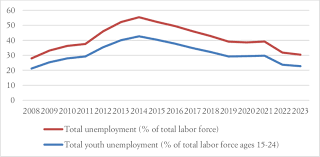
Understanding the Context of Youth Unemployment in Italy
As the world grapples with the challenges of youth unemployment, Italy is no exception. The government of Mario Monti has been actively working on new social amortization plans and flexibility measures to increase job opportunities for young Italians. However, despite these efforts, the crisis continues to affect all age groups, but particularly those under 35.
The situation in Italy is complex, with various factors contributing to the high youth unemployment rate. One of the main concerns is the lack of job opportunities in the formal sector, as many young people are forced to seek employment in the informal economy or start their own businesses without adequate support. Another issue is the limited availability of vocational training and education programs that provide students with the skills needed to enter the workforce.
The Hidden Opportunity: Waste Management
One often-overlooked area that holds great potential for creating jobs is waste management. If managed correctly, this industry could provide over 400,000 job opportunities by 2020. To address this issue, the Monti government should consider blocking all mechanisms that allow for the illegal disposal of waste, which not only harms the environment but also benefits organized crime and increases unemployment.
The Italian waste management system is in need of significant reforms to increase efficiency and reduce costs. This can be achieved by implementing a pay-as-you-throw system, where households are charged based on the amount of waste they generate, rather than paying for a fixed rate. Additionally, investing in infrastructure for differentiated waste collection and recycling can help to create new job opportunities in this sector.
The Current State of Waste Management in Italy
Italy lacks adequate infrastructure for differentiated waste collection, making it challenging to establish a robust industry. By creating this infrastructure, we could unlock a thriving business sector, generating thousands of jobs. The government’s current strategy focuses on developing more skilled professionals, rather than directly creating job opportunities.
The lack of investment in waste management infrastructure has led to the widespread use of landfills and incinerators, which not only contribute to environmental pollution but also harm public health. In addition, the industry is plagued by corruption and organized crime, which further exacerbates the problem.
The Rise of Social Cooperatives (SSRLs)
In an attempt to address youth unemployment, the Monti government has introduced social cooperatives (SSRLs), simplified and limited liability companies that can be easily established with minimal capital requirements. These SSRLs offer a streamlined process for founding a company without excessive notary fees or strict control measures.
However, this ease of establishment also raises concerns about potential misuse by malicious actors who could exploit these opportunities to engage in illicit activities. Will the Monti government’s efforts to create more job opportunities inadvertently facilitate criminal activity?
To mitigate this risk, it is essential that the government provides adequate training and support for young entrepreneurs, ensuring they are equipped with the necessary skills and knowledge to establish a successful business.
The Ideal Path for Young Professionals
For young professionals eager to start and grow their own businesses, an ideal scenario would involve establishing eco-friendly ventures that can access incentives tailored to sustainable projects. The Conto Energia (Energy Count) program is a prime example of such initiatives, offering discounted tariffs for individuals, small, or large companies investing in renewable energy.
Moreover, the possibility of accessing European funds dedicated to youth entrepreneurship could further boost their opportunities. These funds can provide financial support and training programs specifically designed for young entrepreneurs, helping them to overcome the challenges they face when starting a business.
The Missing Piece: Green Economy
While the government’s focus on job creation and social amortization is commendable, it seems that the concept of green economy has been overlooked. Investing in sustainable practices, such as waste management, goes beyond merely funding renewable energy projects. This includes valorizing Italy’s natural assets, such as its parks and landscapes.
A green economy approach would prioritize environmentally friendly technologies and practices, creating new opportunities for businesses and individuals to contribute to sustainable development. By embracing a more comprehensive approach to addressing youth unemployment, the Monti government can create a positive impact on both the environment and the economy.
Conclusion
The Monti government’s efforts to address youth unemployment are crucial, but a more comprehensive approach that incorporates green economy principles is necessary. By understanding the hidden opportunities in waste management and fostering sustainable industries, we can create thousands of job opportunities for young Italians while contributing to a healthier environment.
To achieve this goal, it is essential to implement policies and programs that promote sustainable development, invest in infrastructure for differentiated waste collection, and provide adequate support for young entrepreneurs. Additionally, education campaigns should be launched to raise awareness about the importance of environmental conservation and the impact of daily choices on the environment.
Frequently Asked Questions (FAQs)
- What percentage of youth unemployment is attributed to illegal waste disposal?
While exact figures are difficult to determine, it’s estimated that up to 40% of Italy’s youth unemployment could be linked to the illicit dumping of waste. - How many job opportunities might arise from implementing effective waste management practices in Italy?
By 2020, over 400,000 new jobs could emerge from a properly managed waste industry in Italy. - What role can social cooperatives (SSRLs) play in addressing youth unemployment?
While SSRLs offer an attractive solution for young entrepreneurs, their ease of establishment raises concerns about potential misuse by malicious actors. - Can green economy principles be incorporated into current job creation strategies?
Yes, integrating sustainable practices, such as waste management and environmental conservation, is essential for creating a more comprehensive approach to addressing youth unemployment. - What support systems are in place for young entrepreneurs interested in pursuing sustainable ventures?
The Italian government offers various incentives, including the Conto Energia program, which aims to encourage investment in renewable energy projects among small and medium-sized enterprises (SMEs) and large companies alike. - How might waste management contribute to Italy’s economic growth and job creation?
A well-managed waste industry can provide significant economic benefits by creating new job opportunities, stimulating entrepreneurship, and contributing to sustainable development. - What is the current state of environmental awareness among young Italians regarding waste management and sustainability?
While there has been growing awareness about the importance of sustainable practices, more needs to be done to educate young Italians about the impact of their daily choices on the environment. - Can a combination of government initiatives and individual action lead to meaningful changes in Italy’s youth unemployment statistics?
Yes, by working together, we can create a supportive ecosystem that fosters entrepreneurship, promotes sustainable practices, and addresses waste management challenges through comprehensive policies and education campaigns.
Recommendations for the Monti Government
To effectively address youth unemployment and promote sustainable development, the Monti government should consider the following recommendations:
- Develop a national strategy for waste management: Create a comprehensive plan to increase investment in infrastructure for differentiated waste collection and recycling.
- Provide support for young entrepreneurs: Launch education campaigns and training programs specifically designed for young entrepreneurs interested in pursuing sustainable ventures.
- Increase funding for renewable energy projects: Allocate more resources to incentivize the adoption of green technologies, such as solar and wind power.
- Establish a network of social cooperatives: Create a platform for young entrepreneurs to connect with each other and access resources and support.
- Launch public awareness campaigns: Educate the general public about the importance of sustainable practices and the impact of their daily choices on the environment.
By implementing these recommendations, the Monti government can create a more comprehensive approach to addressing youth unemployment and promote sustainable development in Italy.


