
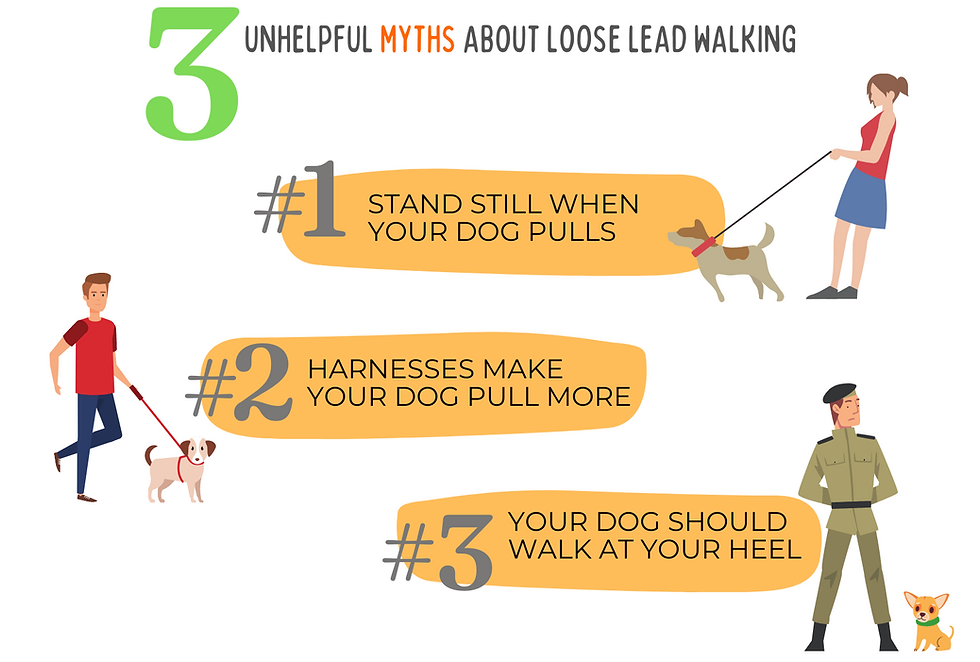
Is your dog pulling like a mule? Dealing with a dog that pulls on its leash is a common problem many pet owners face. Not only can it be frustrating for the owner, but it can also be hazardous for the dog, especially in situations where they may encounter traffic or other dangers. The problem can be caused by a variety of factors, including your dog’s energy level, lack of physical exercise, anxiety separation, socialization, and training.
If your dog is pulling like a mule, there are several steps you can take to solve the problem. First and foremost, it’s essential to understand that the problem isn’t caused by the owner’s lack of training or the dog’s misbehavior. Most dogs pull on their leashes because they’re excited and eager to explore their surroundings.
Understanding Canine Behavior
To effectively address your dog’s pulling behavior, you need to grasp canine communication. Dogs communicate primarily through body language, so it’s crucial to observe your dog’s signals. Some common signs include:
- Posture: If your dog is tense and rigid, they might be stressed or frightened.
- Tail position: A wagging tail can indicate excitement or happiness, while a low-hanging tail may signify fear or anxiety.
- Eye contact: Avoiding eye contact could suggest that your dog feels uncomfortable or intimidated.
By recognizing these signs, you can better anticipate and respond to your dog’s needs, potentially preventing pulling behavior.
Training Methods
When it comes to training your dog to walk on a leash without pulling, there are several approaches you can try. Generally, these methods fall into two categories: positive reinforcement and correction.
Positive Reinforcement
Positive reinforcement involves rewarding your dog for desired behaviors rather than punishing them for undesired ones. This approach is often more effective and humane than punishment-based methods. By associating good behavior with rewards, such as treats or praise, you can encourage your dog to walk by your side without pulling.
A common technique used in positive reinforcement training is the “clicker method.” This involves using a small device that makes a distinct sound when pressed, which signals to your dog that they’ve performed a desired action. By pairing the clicker with rewards, you can teach your dog to associate the sound with good behavior.
Correction
Correction-based methods involve punishing your dog for pulling on their leash. However, these approaches have been largely discredited due to concerns about potential negative consequences, such as increased anxiety and aggression in some dogs.
Instead of punishment, it’s recommended to focus on positive reinforcement training techniques.
Equipment Recommendations
When it comes to choosing the right equipment for walking your dog without pulling, there are several factors to consider. Here are some recommendations:
- Leash: Opt for a leash that is sturdy enough to withstand your dog’s pulling but not so long that it becomes cumbersome.
- Harness: Consider using a harness instead of a collar, as they distribute the force of the pull more evenly across your dog’s chest and shoulders.
- Training aids: There are various training aids available, such as head halters or front-clip leashes, which can help deter pulling behavior.
Physical Exercise and Stress Management
Regular physical exercise is essential for maintaining your dog’s overall health and well-being. Not only does it help burn off excess energy but also reduces stress levels by providing mental stimulation and relaxation.
Here are some tips for incorporating physical exercise into your dog’s routine:
- Variety: Mix up the types of activities you do with your dog, such as walking, running, swimming, or playing fetch.
- Frequency: Aim to provide at least 30 minutes of exercise per day, depending on your dog’s age and energy level.
Managing stress is also vital for maintaining your dog’s mental health. Here are some techniques that may help:
- Exercise: Regular physical activity can be a great stress-reducer.
- Positive reinforcement training: Rewarding good behavior with treats or praise can help reduce anxiety and build trust between you and your dog.
By understanding canine behavior, using positive reinforcement training methods, choosing the right equipment, providing regular exercise, and managing stress levels, you can work towards solving your dog’s pulling problem.
Frequently Asked Questions
Here are some answers to common questions about addressing your dog’s pulling behavior:
- Why is my dog pulling on their leash?
- Your dog may be pulling due to lack of exercise, anxiety separation, or socialization.
- What training methods are most effective?
- Positive reinforcement techniques, such as clicker training, tend to be more humane and effective than punishment-based approaches.
- How do I choose the right leash for my dog?
- Opt for a sturdy leash that is long enough to give your dog some room to maneuver but not so long that it becomes cumbersome.
- Can I use a harness instead of a collar?
- Harnesses can be beneficial in reducing discomfort and stress, especially for larger breeds or dogs with neck issues.
- What are some common causes of pulling behavior?
- Causes include lack of exercise, anxiety separation, socialization, training, and genetics.
By understanding the underlying reasons for your dog’s pulling behavior and implementing effective training methods, you can work towards creating a more enjoyable walking experience for both you and your dog.


