
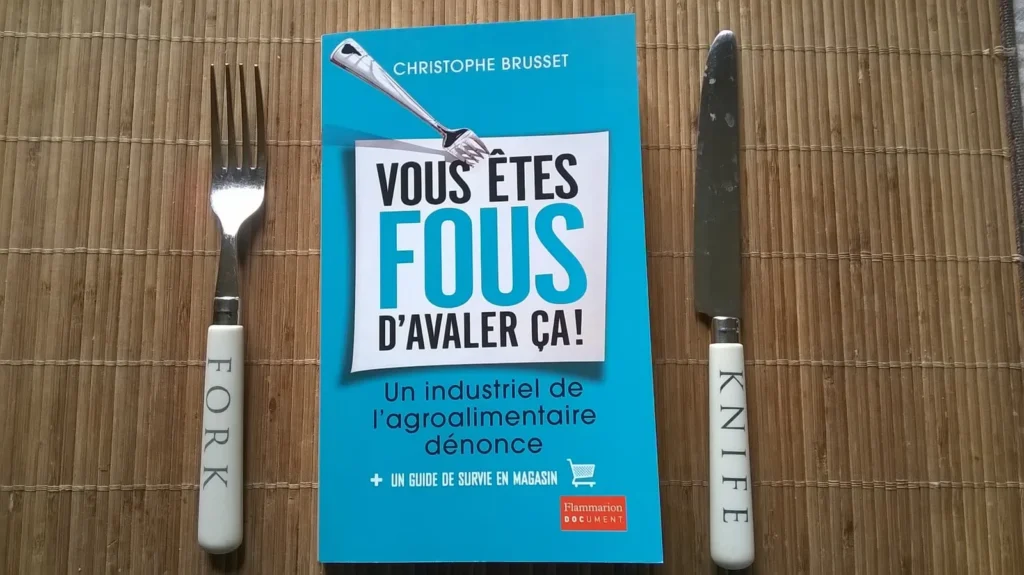
Are You Crazy to Eat It? A Review
We’ve all heard it said, “You’re crazy to eat that!” How many times have we uttered these words ourselves, or wished aloud at someone devouring a questionable food item with reckless abandon? When there are “guilty pleasures” openly acknowledged by most, and we’re the ones who dare to question them, or worse, exclaim in frustration – something’s got to change. That’s where this book comes in: Siete pazzi a mangiarlo?
Written by Christophe Brusset, an ex-industry insider from France, this book has arrived in Italy after gaining attention from fellow Francophones. As someone who knows their stuff and isn’t afraid to speak truth to power, Brusset dives into the world of food with courage and conviction.
Introduction: The Author’s Background
Before diving into the meat (pun intended) of the topic, let’s get to know our author. Born out of necessity, Christophe Brusset has an intimate understanding of the industry he now critiques with such vigor. He shares his background and how it led him to become a vocal advocate for change in the food world.
Brusset’s journey into the world of food began as a young man working in various restaurants across France. As he delved deeper into the culinary scene, he noticed an increasing trend towards processed and packaged foods that masqueraded as wholesome meals. The more he learned about the industry, the more he became disillusioned with its practices. He realized that something had to change.
In a quest for truth, Brusset embarked on a journey of discovery, researching the latest trends in food production, packaging, and labeling. His findings led him to question everything from the authenticity of product claims to the safety of artificial additives. This newfound understanding sparked his passion for exposing the dark underbelly of the food industry.
The Main Event: The Truth About Industrial Food
In this book, Brusset takes us on a journey through the world of industrialized food production. From clever labeling tactics to outright deception, he pulls back the curtain to reveal the truth behind our seemingly innocuous packaged meals. The author tackles a wide range of topics, including mislabeled products that masquerade as wholesome foods.
One of the most striking aspects of Brusset’s work is his focus on the psychological manipulation employed by food manufacturers. He explores how clever marketing and packaging can confuse consumers into buying products they may not even need or want. This aspect of the industry is particularly concerning, as it highlights the ways in which food companies profit from our vulnerabilities.
A French Perspective: Quality and Tradition
Brusset’s connection to France lends itself well to highlighting the importance of tradition in food production. He delves into the world of artisanal cheeses and meats, shedding light on the quality and care that goes into these beloved staples. When looking at the bigger picture, it becomes clear that Europe takes a more nuanced approach to food safety and regulation.
In contrast, Brusset notes that American-style fast food chains prioritize convenience over quality, often using cheap ingredients and artificial additives to keep costs low. This stark difference in priorities has significant implications for public health, as processed foods are increasingly linked to rising rates of obesity and related diseases.
Breaking Down the System: Examples and Evidence
The first part of the book delves into specific examples of deceptive practices in the industry, from cheap meat masquerading as premium cuts to labeling schemes designed to confuse consumers. Brusset doesn’t shy away from pointing out those who take advantage of our trust in the food industry.
One particularly striking example is the use of “natural flavors” on product labels. This vague term can encompass a wide range of ingredients, from synthetic additives to actual natural substances like vanilla or citrus extract. Without clear labeling, consumers are left guessing about what they’re really consuming.
Marketing Magic: How Packaging and Marketing Can Deceive
When it comes down to it, even healthier options can be misleading due to clever packaging and marketing tactics. It’s time for us to wake up to these deceptive practices and become more discerning consumers. Brusset emphasizes the importance of transparency in labeling, ensuring that we’re not misled by attractive packaging or overly polished marketing.
In an era where social media dominates our lives, it’s easy to get caught up in the hype surrounding a particular brand or product. Brusset cautions against the dangers of following the crowd and instead advocates for critical thinking when it comes to food choices. By recognizing the tactics employed by marketers, we can begin to see through their deceptions.
Conclusion: The Call to Action
While this book can’t be considered a comprehensive guide (due to its focus on deception rather than alternatives), it serves as a wake-up call for many of us. It’s a reminder to take control of what goes into our bodies and to question the products we buy, no matter how convenient they might seem.
As we navigate the complex landscape of food production, it’s clear that change is necessary. By working together to demand better from manufacturers and governments alike, we can create a more transparent and equitable food system. Brusset’s book provides an important starting point for this conversation, highlighting the need for critical thinking and informed decision-making.
Frequently Asked Questions
-
What inspired you to write this book?
The author draws from his experience in the industry and a desire to educate consumers on deceptive practices within the food sector. -
How common is it for food manufacturers to hide ingredients or mislabel products?
It’s more prevalent than one might think, especially when considering how easily manipulated packaging can be. -
What changes would you like to see in the future of food labeling and regulation?
Brusset advocates for stricter regulations that ensure transparency in all food products, allowing consumers to make informed decisions. -
Can “Siete pazzi a mangiarlo” serve as a guide for healthy eating on a budget?
While it focuses more on uncovering deception rather than providing alternatives, the book does offer suggestions for healthier options and ways to avoid unnecessary costs. -
Will there be future volumes or updates to this work?
The author has plans to continue the conversation on food safety and labeling transparency in future publications. -
How can individuals protect themselves from deceptive food products?
Start by becoming more aware of what’s in your packaged foods, looking for red flags like overly complex ingredients lists or misleading labels. -
Can you share any statistics or research that support the need for these changes?
While not exhaustive, there are numerous studies and reports on the negative impacts of processed foods and labeling practices, highlighting the importance of change. -
What advice would you give to those feeling overwhelmed by the amount of information about food safety and nutrition?
Begin with small steps: educate yourself about a few key topics and gradually build your knowledge to make informed decisions in the kitchen.


