
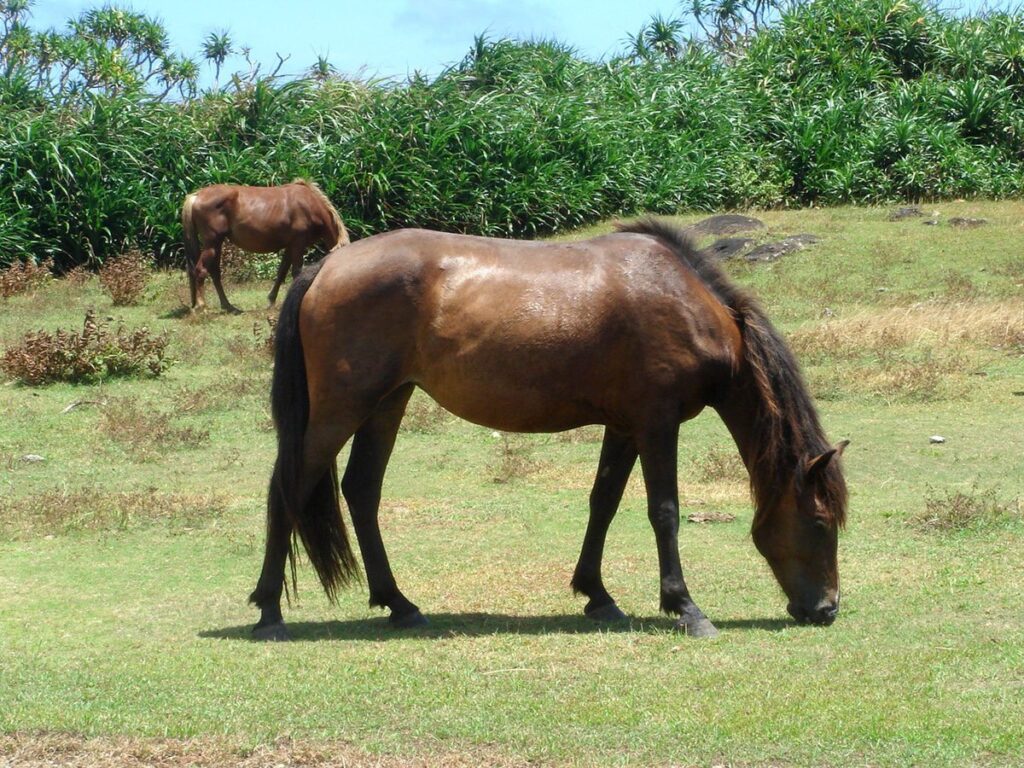
As we venture into the remote islands of Japan, we stumble upon a rare breed of horse that has been living in isolation for centuries. The Yonaguni horse is a unique and enigmatic creature that has garnered attention from equine enthusiasts and researchers alike. In this article, we will delve into the origins, characteristics, and behavior of this extraordinary horse breed.
Origins of the Yonaguni Horse
The Yonaguni horse has been the subject of extensive study, with several research projects aimed at understanding its genetic makeup and evolutionary history. In 2003, a team of scientists conducted a comprehensive analysis of the horse’s DNA using microsatellite markers. The results revealed a surprising connection between the Yonaguni horse and two other Japanese breeds: Miyako and Tokara. These three breeds share a common ancestry, with the Yonaguni horse being the most genetically distinct.
Physical Characteristics
The Yonaguni horse is a small breed, with an average height of 116-120 centimeters at the withers. Despite its compact size, it is a robust and powerful animal, capable of carrying heavy loads. The horse’s head is large compared to its body, with a short but sturdy neck. Its shoulders are broad and muscular, with long legs that support its weight. The coat color is predominantly bay or dark brown, although some individuals may exhibit a lighter coat.
Characteristics and Temperament
The Yonaguni horse is known for its gentle and docile nature, making it an ideal companion for riders of all experience levels. It is a hard worker and has been used extensively in agriculture and transportation on the island of Yonaguni. Despite being a rare breed, the Yonaguni horse has adapted remarkably well to human interaction and has formed strong bonds with its owners.
Behavior and Attitudes
The Yonaguni horse has a unique personality that sets it apart from other breeds. It is intelligent, curious, and independent, often displaying a strong will to please its riders. In the past, the breed was used extensively in agriculture, but with the advent of mechanized farming, the Yonaguni horse’s role began to diminish. However, conservation efforts have helped to restore the breed’s importance, with many tourists visiting the island to interact with these majestic animals.
Conservation Status
Unfortunately, the Yonaguni horse is considered a critically endangered species by the Food and Agriculture Organization (FAO). Its population has dwindled significantly over the years, from 210 individuals in 1968 to less than 100 today. Efforts are being made to conserve this breed, including breeding programs and educational initiatives.
The Importance of Responsible Conservation Practices
As we strive to preserve the Yonaguni horse for future generations, it is essential that we adopt responsible conservation practices. This includes:
- Breeding programs: Collaborative efforts between breeders, researchers, and conservationists are crucial in maintaining a healthy and genetically diverse population.
- Habitat preservation: Protecting the island’s natural habitats and ecosystems is vital to ensuring the long-term survival of the Yonaguni horse.
- Education and outreach: Raising awareness about the importance of conserving this rare breed can help inspire action among local communities and tourists.
Conclusion
The Yonaguni horse is a fascinating breed that continues to captivate equine enthusiasts and researchers alike. Its unique characteristics, gentle nature, and remarkable adaptability make it an extraordinary animal. As we strive to preserve this breed for future generations, we must also recognize the importance of responsible conservation practices and sustainable tourism.
Frequently Asked Questions
- What is the Yonaguni horse’s origin?
The Yonaguni horse has its roots in the Miyako and Tokara breeds, with a common ancestry shared by all three breeds. - How tall is the Yonaguni horse?
On average, the Yonaguni horse stands at 116-120 centimeters (46-47 inches) at the withers. - What is the weight of a Yonaguni horse?
The weight of a Yonaguni horse varies depending on its size and age, but it can range from 200 to 300 kilograms (440-660 pounds). - Is the Yonaguni horse suitable for beginners?
Yes, the Yonaguni horse is known for its gentle nature and docile temperament, making it an ideal breed for riders of all experience levels. - Can I visit a Yonaguni horse farm or take a tour?
Yes, there are several farms and tour operators on the island of Yonaguni that offer opportunities to interact with these magnificent animals. - How can I support the conservation of the Yonaguni horse?
You can contribute to the breed’s survival by supporting reputable breeding programs, purchasing equine-related products from local vendors, or spreading awareness about this critically endangered species. - What is the current population of the Yonaguni horse?
The current population of the Yonaguni horse is estimated to be less than 100 individuals, with ongoing conservation efforts aimed at increasing its numbers. - Can I breed a Yonaguni horse on my own?
While breeding a Yonaguni horse is possible, it requires significant expertise and resources. It is recommended that you consult with experienced breeders or equine professionals before attempting to breed this rare breed.
Additional Resources
- National Park of Seto Inland Sea
- Yonaguni Island Government Website
- Equine Research Institute
By continuing to explore the fascinating world of the Yonaguni horse, we can work together towards its preservation and ensure that this incredible breed continues to thrive for generations to come.


