
As we navigate the chaos of modern life, it’s easy to feel stressed and disconnected from our bodies. That’s where yoga comes in – a practice that combines physical postures, breathing techniques, and meditation to promote relaxation, flexibility, and overall well-being.
In this article, we’ll explore 10 essential yoga poses that you can do at home, from beginner-friendly stretches to more advanced practices for relaxation, strength, and mindfulness. Whether you’re looking to unwind after a long day or boost your energy levels, these poses will help you find your inner calm.
What are Yoga Poses?
Yoga poses, also known as āsana in Sanskrit, are physical postures that aim to balance the body’s energy and promote overall health. There are numerous types of yoga poses, each with its unique benefits and techniques. In this article, we’ll focus on 10 essential poses that you can do at home.
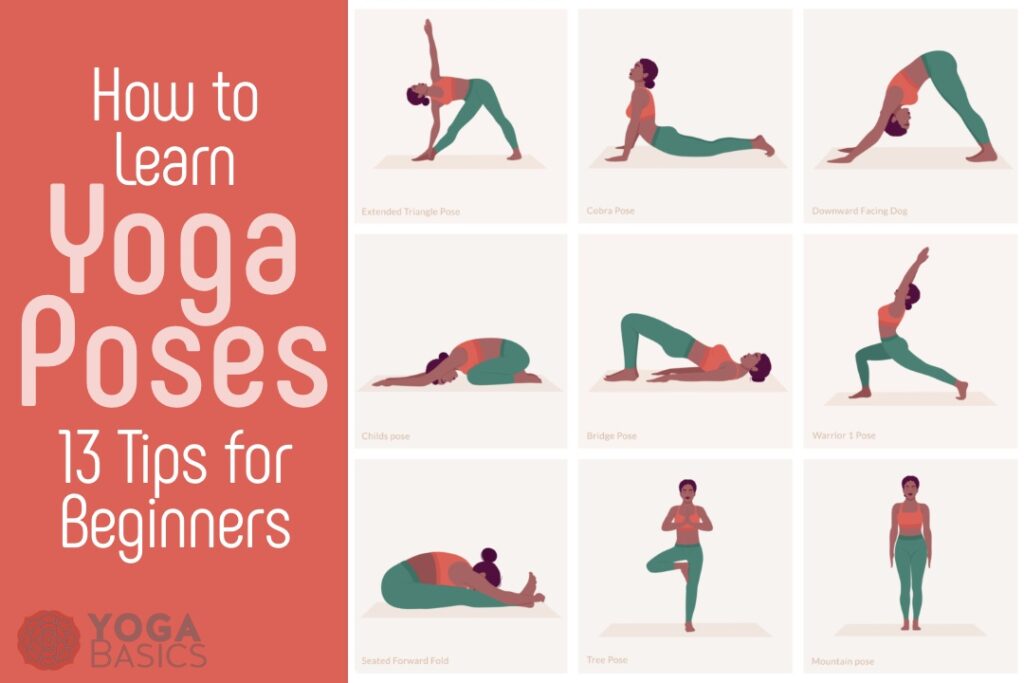
1. Downward-Facing Dog (Adho Mukha Svanasana)
This foundational pose stretches the hamstrings, calves, and spine while strengthening the arms, shoulders, and core. It’s an excellent warm-up for more advanced practices.
How to do it:
- Start on all fours.
- Walk your hands forward a few inches.
- Lift your hips up and back, straightening your arms and legs.
- Keep your palms and heels grounded.
- Hold for 30 seconds to 5 minutes.
2. Child’s Pose (Balasana)
This soothing pose is perfect for relaxation and stress relief. It stretches the back, shoulders, and hips while calming the mind.
How to do it:
- Kneel on the ground with your knees wide apart.
- Sit back onto your heels.
- Stretch your arms out in front of you and lower your forehead to the ground.
- Hold for 30 seconds to 5 minutes.
3. Cobra Pose (Bhujangasana)
This strengthening pose targets the upper back, shoulders, and chest while improving posture and flexibility.
How to do it:
- Lie on your stomach with your hands under your shoulders.
- Inhale and press your palms into the ground, lifting your chest and head off the mat.
- Keep your shoulders down and away from your ears.
- Hold for 30 seconds to 5 minutes.
4. Seated Forward Fold (Paschimottanasana)
This flexibility-enhancing pose stretches the hamstrings, calves, and spine while promoting relaxation and calmness.
How to do it:
- Sit on the ground with your legs extended in front of you.
- Inhale and lengthen your spine.
- Exhale and fold forward, reaching for your toes or shins.
- Keep your knees slightly bent if necessary.
- Hold for 30 seconds to 5 minutes.
5. Plank Pose (Phalakasana)
This foundational pose strengthens the arms, shoulders, and core while improving posture and balance.
How to do it:
- Start in a high push-up position with your hands shoulder-width apart.
- Engage your core and keep your body in a straight line from head to heels.
- Hold for 30 seconds to 5 minutes.
6. Tree Pose (Vrksasana)
This balancing pose targets the ankles, calves, and core while promoting focus and calmness.
How to do it:
- Stand on one leg, with the other foot resting against your inner thigh.
- Engage your core and keep your arms by your sides.
- Hold for 30 seconds to 5 minutes on each leg.
7. Seated Twist (Bharadvajasana)
This twisting pose stretches the spine, shoulders, and hips while promoting relaxation and flexibility.
How to do it:
- Sit on the ground with your legs crossed.
- Twist your torso to one side, keeping your hips facing forward.
- Hold for 30 seconds to 5 minutes on each side.
8. Warrior Pose (Virabhadrasana)
This strengthening pose targets the legs, hips, and core while improving balance and focus.
How to do it:
- Stand with your feet wide apart, with one foot facing forward and the other foot at a 90-degree angle.
- Bend your front knee and stretch your arms out to the sides.
- Hold for 30 seconds to 5 minutes on each side.
9. Bridge Pose (Setu Bandha Sarvangasana)
This strengthening pose targets the back, shoulders, and core while improving posture and flexibility.
How to do it:
- Lie on your back with your knees bent and feet flat on the ground.
- Inhale and lift your hips up towards the ceiling.
- Keep your shoulders down and away from your ears.
- Hold for 30 seconds to 5 minutes.
10. Savasana (Corpse Pose)
This relaxation pose calms the mind and body, promoting deep relaxation and inner peace.
How to do it:
- Lie on your back with your arms and legs relaxed.
- Close your eyes and focus on your breath.
- Hold for 30 seconds to 5 minutes.
Tips for Practicing Yoga at Home
While practicing yoga at home can be beneficial, it’s essential to follow some guidelines to ensure safety and effectiveness. Here are a few tips:
- Find a quiet and comfortable space with good lighting.
- Use a yoga mat or non-slip surface.
- Listen to your body and modify or rest when needed.
- Practice regularly to see progress and improvements.
Benefits of Yoga for Stress Relief
Yoga has been shown to be an effective way to reduce stress and anxiety. By incorporating yoga into your daily routine, you can:
- Reduce cortisol levels: Yoga has been shown to decrease cortisol levels, which can help alleviate stress and anxiety.
- Improve mood: Yoga releases endorphins, which are natural mood-boosters.
- Enhance relaxation: Yoga promotes deep relaxation, reducing feelings of tension and stress.
Benefits of Yoga for Physical Health
Yoga is not just good for mental health; it also has numerous physical benefits. By incorporating yoga into your daily routine, you can:
- Improve flexibility: Yoga stretches and lengthens the muscles, improving flexibility and range of motion.
- Strengthen bones: Weight-bearing yoga poses can help strengthen bones, reducing the risk of osteoporosis.
- Improve balance and coordination: Yoga improves balance and coordination by strengthening the core and improving proprioception.
Benefits of Yoga for Mental Health
Yoga is not just good for physical health; it also has numerous mental health benefits. By incorporating yoga into your daily routine, you can:
- Reduce anxiety and depression: Yoga has been shown to reduce symptoms of anxiety and depression.
- Improve sleep: Yoga promotes relaxation and reduces stress, leading to improved sleep quality.
- Enhance focus and concentration: Yoga improves focus and concentration by training the mind.
Common Yoga Mistakes to Avoid
While practicing yoga at home can be beneficial, there are some common mistakes to avoid. Here are a few:
- Not warming up properly: Warming up before practice can help prevent injuries and improve flexibility.
- Holding poses for too long: Holding poses for too long can lead to fatigue and injury.
- Ignoring proper alignment: Proper alignment is essential for safe and effective yoga practice.
- Not listening to your body: Listening to your body and modifying or resting when needed is crucial for safe and effective yoga practice.
Conclusion
Yoga is a powerful practice that can transform your life from the inside out. By incorporating these 10 essential yoga poses into your daily routine, you’ll be well on your way to finding your inner calm, improving flexibility and balance, and promoting overall well-being.
Remember to always listen to your body and modify or rest when needed. With regular practice, you can experience the numerous benefits of yoga for stress relief, physical health, and mental health.
Frequently Asked Questions (FAQs)
-
Q: Can I do yoga at home if I have a medical condition?
A: Yes, but it’s essential to consult with your healthcare provider before starting any new exercise routine, especially if you have a medical condition. -
Q: What are the benefits of practicing yoga daily?
A: Regular practice can help reduce stress and anxiety, improve flexibility and balance, boost energy levels, and promote overall well-being. -
Q: How often should I practice yoga to see results?
A: Aim to practice yoga at least 2-3 times a week, with at least one day of rest in between. -
Q: Can I use props or modifications if needed?
A: Absolutely! Props and modifications can help you access deeper stretches or modify poses to suit your needs. -
Q: How do I choose the right yoga style for me?
A: Consider your goals, flexibility level, and personal preferences when selecting a yoga style. Consult with a yoga instructor or online resources for guidance. -
Q: Can I practice yoga while pregnant or breastfeeding?
A: Yes, but consult with your healthcare provider before starting any new exercise routine, especially during pregnancy or breastfeeding. -
Q: How do I modify poses to suit my body type?
A: Listen to your body and modify poses to accommodate your physical limitations. Consult with a yoga instructor or online resources for guidance. -
Q: Can I practice yoga at home if I have a knee injury?
A: Yes, but it’s essential to consult with your healthcare provider before starting any new exercise routine, especially if you have a knee injury. Modify poses or avoid those that exacerbate the injury. -
Q: How do I incorporate meditation into my yoga practice?
A: Start by incorporating short meditation sessions into your practice, gradually increasing duration as you become more comfortable with the technique. -
Q: Can I practice yoga alone if I’m new to yoga?
A: Yes, but it’s recommended to start with a beginner’s class or online tutorial to learn proper alignment and techniques.


