
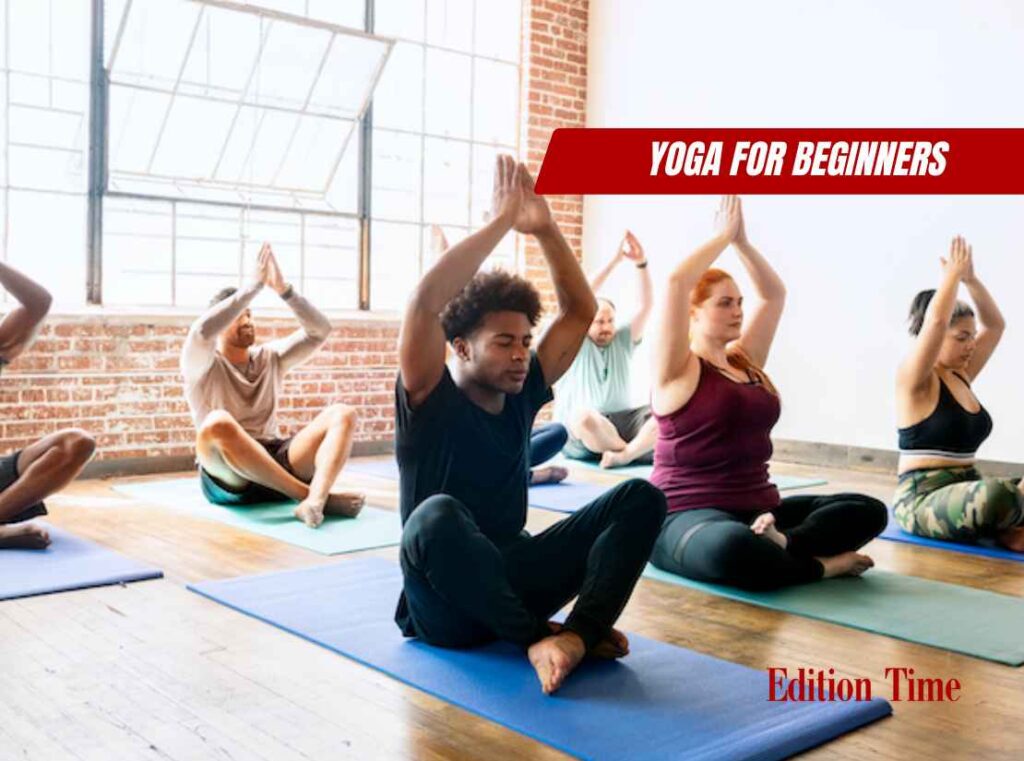
Start your yoga journey with confidence. Learn essential beginner poses, discover proven health benefits, and create a sustainable home practice that transforms body and mind.
I used to think yoga was either for impossibly flexible people who could twist themselves into pretzel shapes or for spiritual seekers chanting in Sanskrit. As someone who could barely touch my toes and felt awkward in my own body, yoga studios seemed like foreign territory designed for people who definitely weren’t me.
The turning point came during a particularly stressful period when my doctor suggested yoga for managing chronic tension headaches. Desperate for relief, I reluctantly tried a beginner video in my living room. What happened in those first 20 minutes completely changed my understanding of what yoga could be.
Instead of complicated poses I couldn’t attempt, I found gentle movements that actually felt good in my tight, stressed body. The combination of mindful breathing and simple stretching provided immediate relief that no medication had achieved. More importantly, I discovered that yoga wasn’t about perfection or flexibility—it was about connecting with your body and finding peace in movement.
If you’ve been curious about yoga but intimidated by perceived complexity or flexibility requirements, understanding the basics and real benefits could open the door to a practice that transforms not just your physical health, but your entire relationship with stress and self-care.
Understanding Yoga Beyond the Instagram Posts
Modern social media has created a distorted image of yoga that emphasizes advanced poses and perfect bodies rather than the accessible, therapeutic practice that yoga actually is for most people.
Dr. Loren Fishman, a rehabilitation medicine physician who studies yoga therapeutically, explains that “yoga’s primary benefits come from basic movements, breathing practices, and mindfulness—not from advanced poses that require years of training. The most transformative aspects of yoga are available to complete beginners.”
What Yoga Actually Is
Yoga is a mind-body practice that combines physical postures (asanas), breathing techniques (pranayama), and meditation to promote overall well-being and stress reduction.
The word “yoga” means “union”—referring to the connection between mind, body, and breath that the practice cultivates. This integration is what creates yoga’s unique therapeutic benefits.
Unlike other forms of exercise, yoga emphasizes awareness and presence rather than performance or competition, making it inherently therapeutic and sustainable.
I discovered that yoga’s power lies not in achieving perfect poses but in learning to breathe consciously and move mindfully, skills that transform how you handle stress and physical discomfort.
Debunking Common Yoga Myths
You don’t need to be flexible to start yoga—in fact, tight muscles often benefit most from gentle yoga practice. Flexibility is a result of yoga, not a prerequisite.
Yoga isn’t a religion, although it can be spiritual. You can practice yoga purely for physical and mental health benefits without adopting any belief system.
You don’t need expensive equipment or clothes. A yoga mat is helpful but not essential, and any comfortable clothing that allows movement works perfectly.
Age and fitness level don’t matter. Yoga can be adapted for any physical condition or limitation, with modifications available for every pose.
Essential Beginner Poses That Transform Your Body
These foundational poses form the basis of most yoga practices and provide comprehensive benefits for strength, flexibility, and stress relief. Each can be modified for different ability levels.
Mountain Pose (Tadasana): The Foundation
Mountain Pose teaches proper alignment and body awareness while appearing deceptively simple. Stand tall with feet hip-width apart, arms at your sides.
Focus on distributing weight evenly across both feet, lengthening your spine, and relaxing your shoulders away from your ears.
This pose improves posture and provides a reference point for alignment in other standing poses.
I use Mountain Pose throughout the day as a quick posture reset, especially after long periods of sitting at a computer.
Child’s Pose (Balasana): The Rest and Reset
Child’s Pose is yoga’s ultimate resting position, providing gentle stretching for the back, hips, and shoulders while promoting calm.
Kneel on the floor, bring your big toes together, and sit back on your heels. Fold forward, extending your arms in front of you or alongside your body.
This pose activates the parasympathetic nervous system, triggering the body’s relaxation response and reducing stress hormones.
Child’s Pose became my go-to for managing anxiety and overwhelm, providing immediate grounding and comfort.
Downward-Facing Dog (Adho Mukha Svanasana): The Full-Body Energizer
This iconic pose strengthens arms and shoulders while stretching the hamstrings, calves, and spine. Start on hands and knees, then lift your hips up and back.
Focus on creating length through your spine rather than getting your heels to the ground. Bend your knees if needed to maintain a straight back.
Downward Dog improves circulation by inverting the body gently and provides an excellent whole-body stretch.
I initially struggled with this pose but gradually built the strength and flexibility through consistent practice and proper modifications.
Cat-Cow Pose (Marjaryasana-Bitilasana): The Spine Mobilizer
This flowing movement gently mobilizes the entire spine while coordinating breath and movement—a fundamental aspect of yoga practice.
Start on hands and knees. Inhale, arch your back and look up (Cow). Exhale, round your spine and drop your head (Cat). Continue flowing with your breath.
Cat-Cow relieves back tension and improves spinal flexibility while teaching the crucial yoga skill of breath-movement coordination.
This sequence became part of my morning routine, helping release overnight stiffness and start the day with mindful movement.
Warrior I (Virabhadrasana I): The Strength Builder
Warrior I builds leg strength and stability while opening the hip flexors and improving balance and confidence.
Step one foot forward into a lunge, keeping the back foot planted at a 45-degree angle. Reach your arms overhead while keeping your front knee over your ankle.
This pose cultivates both physical and mental strength, embodying the “peaceful warrior” attitude of facing challenges with grace.
Warrior poses helped me develop confidence both on and off the yoga mat, teaching me to find stability in challenging positions.
Bridge Pose (Setu Bandhasana): The Heart Opener
Bridge Pose strengthens the glutes and hamstrings while gently opening the chest and front body, counteracting slouched posture.
Lie on your back with knees bent and feet flat on the floor. Press into your feet to lift your hips, creating a bridge shape with your body.
This pose energizes the body while being accessible to most beginners and providing excellent therapeutic benefits for back pain.
I use Bridge Pose as an afternoon energy booster when I feel sluggish from desk work.
Breathing Techniques That Transform Your Practice
Conscious breathing is what distinguishes yoga from simple stretching, providing most of yoga’s stress-reduction and mental health benefits.
Ujjayi Breath: The Foundation of Yoga Practice
Ujjayi breathing creates a soft, audible breath that helps maintain focus and calm during yoga practice and daily life.
Breathe in and out through your nose, slightly constricting your throat to create a gentle “ocean” sound. The breath should be smooth and controlled.
This breathing technique activates the parasympathetic nervous system, reducing stress and anxiety while improving concentration.
I use Ujjayi breathing during stressful work meetings to maintain calm and clear thinking.
Three-Part Breath (Dirga Pranayama): The Stress Reliever
This technique involves breathing into the belly, ribs, and chest sequentially, creating full, nourishing breaths that calm the nervous system.
Place one hand on your belly and one on your chest. Breathe slowly, filling your belly first, then ribs, then chest. Exhale in reverse order.
Three-part breathing immediately shifts your nervous system from stress mode to relaxation mode.
This became my bedtime routine, helping transition from the day’s stress to peaceful sleep.
Creating Your Beginner Home Practice
Starting a sustainable yoga practice requires realistic expectations and gradual progression rather than attempting to master everything immediately.
Building Your First Routine
Begin with 10-15 minutes daily rather than attempting hour-long sessions that feel overwhelming and unsustainable.
Include 2-3 poses from different categories: a standing pose for strength, a seated pose for flexibility, and a resting pose for relaxation.
Always begin with gentle warm-up movements like Cat-Cow or simple stretches to prepare your body for more challenging poses.
End each practice with relaxation in Child’s Pose or lying flat on your back to integrate the benefits of your practice.
My first routine included just five poses: Mountain Pose, Cat-Cow, Downward Dog, Child’s Pose, and three minutes of conscious breathing.
Progression and Adaptation
Focus on consistency over complexity during your first few months of practice. Master the basics before adding more challenging poses.
Listen to your body daily and modify poses based on how you feel. Yoga should never cause pain or strain.
Gradually increase practice length as your body adapts and your enjoyment grows, but maintain daily consistency even if practices are brief.
Use props like blocks, bolsters, or pillows to make poses more accessible and comfortable as you build strength and flexibility.
Setting Up Your Space
Designate a quiet area where you won’t be interrupted, even if it’s just a corner of your bedroom or living room.
A yoga mat provides cushioning and traction but isn’t absolutely necessary—a carpet or folded blanket can work initially.
Remove distractions like phones or loud noises to create a peaceful environment that supports focus and relaxation.
I practice in different locations depending on my schedule—sometimes my bedroom in the morning, my office during lunch, or outdoors when weather permits.
Science-Backed Benefits of Regular Yoga Practice
Research has extensively documented yoga’s benefits for both physical and mental health, making it one of the most well-studied complementary health practices.
Physical Health Improvements
Flexibility and mobility increase significantly with regular practice, reducing stiffness and improving range of motion in joints.
Strength builds gradually through bodyweight resistance in yoga poses, particularly in the core, arms, and legs.
Balance and coordination improve as yoga poses challenge stability and proprioception (body awareness in space).
Pain reduction occurs for many people with chronic conditions like arthritis, back pain, and headaches through gentle movement and stress reduction.
I experienced noticeable improvements in chronic neck tension and occasional back pain within just a few weeks of consistent practice.
Mental Health and Stress Benefits
Cortisol levels decrease with regular yoga practice, reducing the harmful effects of chronic stress on the body and mind.
Anxiety and depression symptoms often improve through yoga’s combination of physical movement, breathing practices, and mindfulness.
Sleep quality enhances as yoga practice promotes relaxation and helps regulate the nervous system for better rest.
Mood stabilizes through yoga’s stress-reducing effects and the natural endorphin release from gentle physical activity.
Cognitive and Emotional Benefits
Focus and concentration improve through yoga’s emphasis on present-moment awareness and breath focus.
Emotional regulation strengthens as you learn to observe thoughts and feelings without being overwhelmed by them.
Self-awareness increases through the mind-body connection that yoga cultivates, helping you understand your patterns and needs better.
Resilience builds as you practice staying calm and centered during challenging poses, a skill that transfers to daily life stressors.
Common Beginner Mistakes and How to Avoid Them
Understanding common pitfalls helps new practitioners develop sustainable, safe practices that provide maximum benefits.
Pushing Too Hard Too Fast
Yoga is not about achieving perfect poses immediately. Forcing your body into positions it’s not ready for can cause injury and discouragement.
Start with modified versions of poses and gradually work toward fuller expressions as your body adapts and opens.
Pain is a warning signal to back off or modify. Yoga should feel challenging but never painful.
I learned this lesson after straining my hamstring trying to force a forward fold in my first week of practice.
Comparing Yourself to Others
Everyone’s body is different, and flexibility, strength, and balance vary widely among individuals regardless of experience level.
Focus on your own progress rather than comparing your poses to instructors or other students in videos or classes.
Celebrate small improvements like reaching a little further or holding a pose a bit longer rather than expecting dramatic changes quickly.
Neglecting the Breath
Many beginners focus entirely on physical poses while ignoring the breathing component that provides many of yoga’s benefits.
Practice breathing techniques separately from poses initially to develop familiarity and comfort with conscious breathing.
If you lose your breath during poses, you’re likely pushing too hard and should back off to maintain breath awareness.
Inconsistent Practice
Sporadic, intense practice provides fewer benefits than regular, gentle practice and increases injury risk.
Commit to daily practice even if it’s just five minutes, rather than attempting hour-long sessions once or twice per week.
Make yoga practice non-negotiable by linking it to existing habits like morning coffee or evening wind-down routines.
Adapting Yoga for Your Individual Needs
Yoga can be modified for virtually any physical limitation, age, or health condition, making it accessible to almost everyone with appropriate adaptations.
Chair Yoga for Limited Mobility
Many yoga poses can be adapted for seated practice, providing benefits for people who cannot practice on the floor or standing.
Chair-based spinal twists, side stretches, and breathing exercises offer significant benefits for flexibility and stress reduction.
Office workers can practice discrete chair yoga during the workday to counteract the effects of prolonged sitting.
Gentle Yoga for Injuries or Chronic Conditions
Restorative yoga uses props to support the body in passive poses that promote healing and deep relaxation.
Therapeutic modifications can address specific conditions like arthritis, fibromyalgia, or recent injuries with appropriate guidance.
Always consult healthcare providers before beginning yoga practice if you have serious health conditions or recent injuries.
Yoga for Different Life Stages
Prenatal yoga supports expectant mothers with poses modified for safety and comfort during pregnancy.
Senior yoga emphasizes safety, balance, and gentle movement appropriate for aging bodies.
Teen yoga can help young people manage stress and develop healthy coping mechanisms during challenging developmental periods.
Building Confidence in Your Practice
Many people feel intimidated starting yoga due to perceived complexity or flexibility requirements, but confidence builds quickly with proper approach and realistic expectations.
Starting Small and Celebrating Progress
Begin with just a few poses and focus on how they feel rather than how they look.
Keep a simple practice journal noting how you feel before and after yoga sessions to track non-physical benefits.
Acknowledge improvements in sleep, stress levels, or mood that may be less obvious than physical changes.
Take progress photos if you’re comfortable, as visual evidence of improved posture and flexibility can be motivating.
Finding Your Yoga Style
Hatha yoga moves slowly and focuses on individual poses, making it ideal for beginners learning proper alignment.
Yin yoga involves long-held, passive poses that deeply stretch tissues and promote relaxation.
Vinyasa yoga links movement with breath in flowing sequences that can be energizing or calming depending on pace.
Experiment with different styles through online videos or classes to find what resonates with your body and preferences.
The journey into yoga doesn’t require perfect flexibility, expensive equipment, or hours of free time. It requires only curiosity, consistency, and kindness toward yourself as you explore what this ancient practice can offer your modern life.
Starting with simple poses and focusing on breath awareness provides immediate benefits that expand naturally over time. The goal isn’t to achieve Instagram-worthy poses but to develop a sustainable practice that supports your physical health, mental well-being, and overall quality of life.
The transformation that yoga offers extends far beyond the physical poses into how you handle stress, relate to your body, and navigate daily challenges with greater calm and resilience. These benefits are available to anyone willing to begin with patience and commitment to consistent, gentle practice.


