
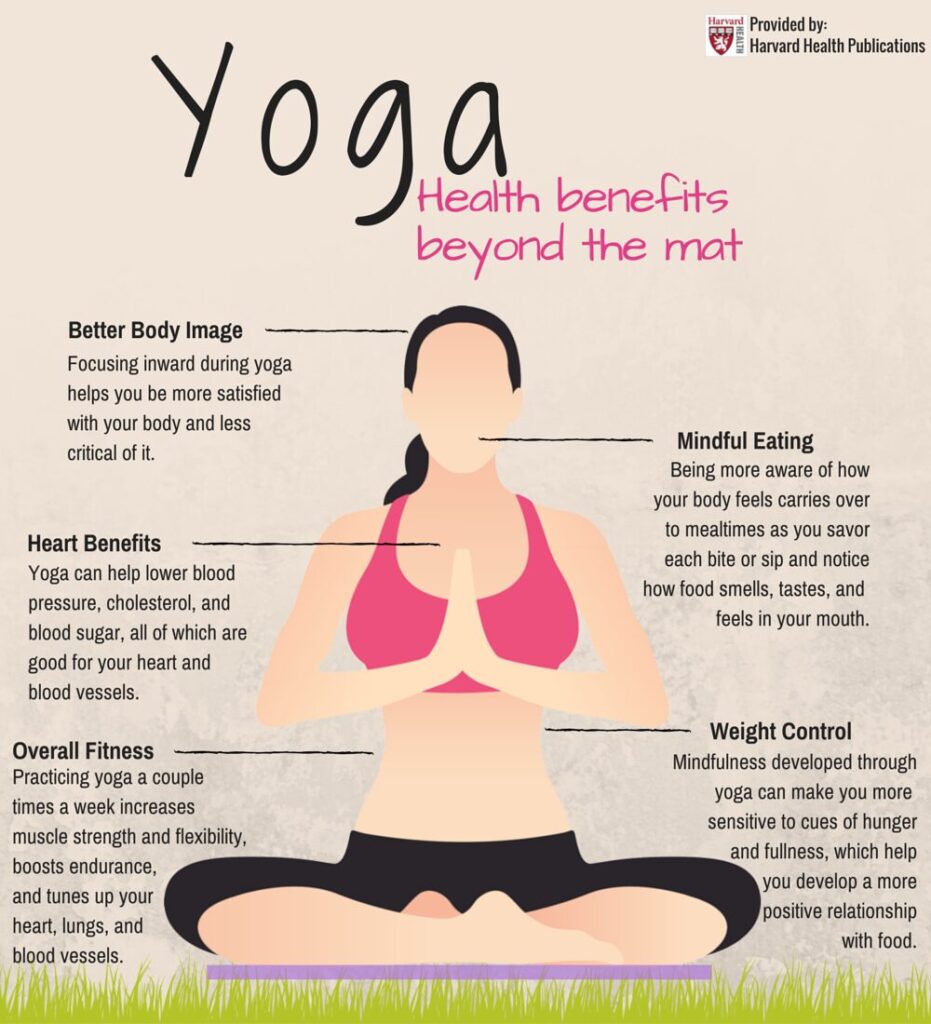
Yoga is more than just a physical practice; it’s a holistic approach to overall well-being. From its origins in ancient India, yoga has evolved into a diverse range of styles, each offering unique benefits for the body, mind, and spirit. In this comprehensive guide, we’ll delve into the numerous advantages of practicing yoga, exploring its impact on mental, physical, and emotional health.
What is Yoga?
Yoga is an ancient Indian practice that combines physical postures (asanas), breathing techniques (pranayama), and meditation to promote balance and harmony in the body. The word “yoga” comes from the Sanskrit root “yuj,” meaning “to unite.” This philosophy aims to unite the individual self with the universal self, leading to a state of inner peace and enlightenment.
The Benefits of Yoga
Yoga offers an impressive array of benefits, encompassing physical, mental, emotional, and spiritual aspects. Some of the most significant advantages include:
Physical Benefits
- Improved flexibility and balance
- Enhanced strength and muscle tone
- Reduced stress and anxiety
- Improved sleep quality
- Boosted immune system
Mental and Emotional Benefits
- Increased focus and concentration
- Enhanced mood and emotional well-being
- Improved self-awareness and self-acceptance
- Reduced symptoms of depression and anxiety
- Increased feelings of calm and relaxation
Spiritual Benefits
- Deeper connection to oneself and others
- Increased sense of purpose and meaning
- Greater understanding of the universe and its workings
- Enhanced spiritual growth and development
- Greater sense of inner peace and contentment
Who Can Practice Yoga?
Yoga is for everyone, regardless of age, sex, or physical ability. However, some precautions should be taken:
- Certain poses may not be suitable for people with certain medical conditions, such as high blood pressure or recent injuries.
- Pregnant women should consult their healthcare provider before practicing yoga.
Types of Yoga
Yoga has evolved over time, leading to the development of various styles and techniques. Some popular types include:
- Hatha Yoga: A traditional style emphasizing physical postures and breathing techniques.
- Vinyasa Yoga (Flow Yoga): A dynamic practice linking movement with breath.
- Ashtanga Yoga: A fast-paced, physically demanding style focused on internal heat building.
- Iyengar Yoga: A style emphasizing precise alignment and the use of props.
- Kundalini Yoga: A spiritual practice combining postures, breathing techniques, and meditation.
Yoga for Weight Loss
While yoga may not be a quick fix for weight loss, it can contribute to a healthy lifestyle. Certain types of yoga, such as:
- Power Yoga
- Yoga Fit
- Yogilates
can help increase caloric burn and improve overall physical fitness.
The Benefits of Yoga on Sexuality
Yoga has been shown to enhance libido, improve erectile function, and increase pleasure during sex. Practicing yoga can also lead to:
- Greater body awareness and confidence
- Improved communication with partners
- Enhanced intimacy and connection
Yoga for Beginners
For those new to yoga, it’s essential to start with the basics. Here are some tips for beginners:
- Find a qualified instructor: Look for a certified yoga teacher who can guide you through the practice.
- Start slow: Begin with short practices (20-30 minutes) and gradually increase duration as you become more comfortable.
- Listen to your body: Honor your physical limitations and take breaks when needed.
- Practice regularly: Aim for at least 2-3 times per week, with a minimum of 30 minutes per session.
Common Yoga Terms
To better understand the practice, familiarize yourself with common yoga terms:
- Asana: A physical posture or pose.
- Pranayama: Breathing techniques used to balance and regulate the breath.
- Vinyasa: Movement linked with breath.
- Kundalini: Energy within the body, often referred to as “life force.”
- Yamas and Niyamas: Ethical codes for yoga practice.
Common Yoga Injuries
While yoga can be beneficial, it’s not without risks. Common injuries include:
- Strains: Overstretching or pulling of muscles.
- Sprains: Stretching or tearing of ligaments.
- Injuries from falls: Accidents during practice.
Conclusion
Yoga is a powerful tool for overall well-being, offering numerous benefits for the body, mind, and spirit. Whether you’re seeking improved physical health, mental clarity, or spiritual growth, yoga has something to offer. So why not give it a try? Find a style that suits your needs, and start exploring the many advantages of practicing yoga.
Frequently Asked Questions (FAQs)
- What is the best type of yoga for beginners?
- Hatha Yoga or Vinyasa Yoga are excellent options for beginners.
- Can yoga help with weight loss?
- While yoga may not be a quick fix, certain types like Power Yoga and Yogilates can contribute to a healthy lifestyle.
- Is yoga suitable for pregnant women?
- Pregnant women should consult their healthcare provider before practicing yoga to ensure safety.
- Can yoga improve sex life?
- Practicing yoga can enhance libido, improve erectile function, and increase pleasure during sex.
- What is the difference between mindfulness and meditation in yoga?
- Mindfulness refers to being present in the moment, while meditation involves focusing on a specific point or breath to achieve a state of inner peace.
- Can I practice yoga at home?
- Yes, there are many resources available online, including videos, tutorials, and guided practices.
- How often should I practice yoga?
- Aim for at least 2-3 times per week, with a minimum of 30 minutes per session.
- Can I modify yoga poses to suit my needs?
- Yes, many yoga styles emphasize modifications and variations to accommodate different body types and abilities.
- What are the benefits of Kundalini Yoga?
- This style combines postures, breathing techniques, and meditation to awaken the energy within and promote spiritual growth.
- How can I incorporate yoga into my daily life?
- Start with small practices, such as deep breathing exercises or short meditation sessions, and gradually increase duration and frequency.


