
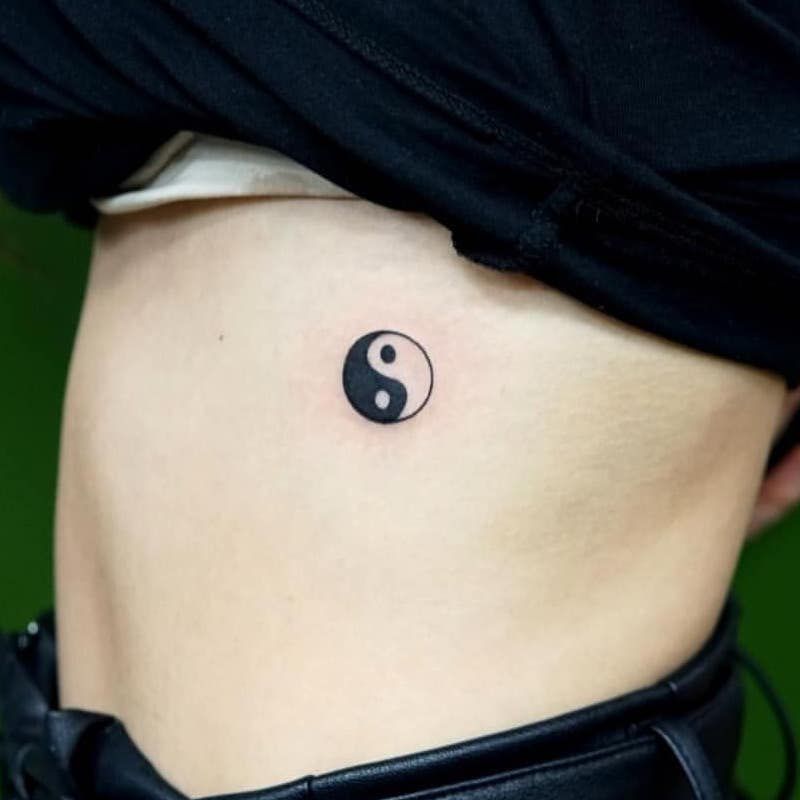
As we navigate the complexities of life, it’s easy to lose sight of the balance within ourselves. The ancient Chinese concept of yin yang offers a powerful symbol of harmony and equilibrium, one that has been adopted by tattoo artists, spiritual seekers, and anyone looking to find inner peace.
What is Yin Yang?
Yin and yang is an ancient Chinese philosophy that dates back to the Han Dynasty (206 BCE – 220 CE). It’s based on the idea that everything in the universe is made up of two opposing forces: yin (negative, receptive, cold, dark) and yang (positive, creative, hot, light). These two forces are interconnected and interdependent, representing the dynamic balance that governs the natural world.
The Significance of Yin Yang
In Chinese culture, yin and yang is often used to describe the dual nature of reality. Every aspect of life has both yin and yang energies, which must be balanced for harmony to exist. This concept is reflected in various aspects of life, such as:
- Nature: Yin yang represents the cyclical patterns found in nature, like the phases of the moon or the seasons.
- Human Nature: Each person contains both yin and yang qualities, which must be integrated for personal growth and well-being.
The Yin Yang Tattoo
Tattoos featuring the yin yang symbol have become increasingly popular worldwide. They often represent a desire to balance one’s inner energies and find harmony in life. Some people choose this design because it:
- Represents dualities: The yin yang tattoo serves as a visual reminder of the duality that exists within ourselves, encouraging us to acknowledge and accept our contradictions.
- Encourages self-reflection: By incorporating this symbol into their body art, individuals can reflect on their own inner balance and strive for greater harmony in their lives.
The Yin Yang Symbol
The yin yang symbol is simple yet complex. It consists of two interconnected circles that represent the harmony between opposing forces. The black (yin) section contains a white (yang) dot, while the white section contains a small black dot. This intricate design is often interpreted as:
- Equilibrium: The balance between yin and yang energies creates a state of equilibrium, where both forces are present but not dominant.
- Interconnectedness: The symbol highlights the interconnected nature of all things, demonstrating that opposing forces are intertwined and interdependent.
The Yin Yang in Our Lives
Yin and yang is more than just a philosophical concept; it’s a way of life. By embracing this ancient wisdom, we can:
- Balance our energies: Recognize the importance of balancing both yin and yang aspects within ourselves to achieve greater harmony.
- Find inner peace: Cultivate self-awareness and understand how our actions affect our balance.
The Yin Yang in Art and Design
The yin yang symbol has been used in various art forms, including:
- Mandalas: Intricate designs that represent the interconnected nature of all things.
- Tattoos: A popular form of body art that incorporates this symbol to promote balance and harmony.
Frequently Asked Questions
What is the difference between yin and yang?
Yin represents the receptive, negative, and cold aspects, while yang represents the creative, positive, and hot aspects. Both are interconnected and interdependent.
Why do people get yin yang tattoos?
People choose to get yin yang tattoos to represent balance and harmony in their lives, as well as to symbolize their acceptance of dualities and contradictions.
What is the significance of the black dot in the yin yang symbol?
The black dot represents the receptive, negative aspect (yin), while the white dot represents the creative, positive aspect (yang).
How can I apply the principles of yin and yang to my life?
By recognizing the interconnectedness of opposing forces within yourself and acknowledging their importance, you can strive for greater balance and harmony in your personal growth.
Conclusion
The yin yang symbol offers a powerful reminder of the dynamic balance that governs our lives. By embracing this ancient wisdom, we can cultivate self-awareness, achieve inner peace, and find harmony in our existence. Whether through tattoos, mandalas, or simply by acknowledging the interconnected nature of all things, the principles of yin and yang have the power to transform our lives.
Frequently Asked Questions (FAQs)
Q: What is the difference between yin and yang?
A: Yin represents the receptive, negative, and cold aspects, while yang represents the creative, positive, and hot aspects. Both are interconnected and interdependent.
Q: Why do people get yin yang tattoos?
A: People choose to get yin yang tattoos to represent balance and harmony in their lives, as well as to symbolize their acceptance of dualities and contradictions.
Q: What is the significance of the black dot in the yin yang symbol?
A: The black dot represents the receptive, negative aspect (yin), while the white dot represents the creative, positive aspect (yang).
Q: How can I apply the principles of yin and yang to my life?
A: By recognizing the interconnectedness of opposing forces within yourself and acknowledging their importance, you can strive for greater balance and harmony in your personal growth.
Q: What is the connection between yin and yang and nature?
A: Yin and yang are reflected in various natural phenomena, such as the phases of the moon or the seasons.
Q: How do I incorporate yin and yang principles into my daily life?
A: Start by recognizing the interconnectedness of opposing forces within yourself and striving for balance between your yin and yang energies.
Yin Yang Philosophy
The yin yang philosophy is based on the idea that everything in the universe is made up of two opposing forces. These forces are interconnected and interdependent, representing the dynamic balance that governs the natural world.
The Five Elements
In traditional Chinese culture, the five elements (wood, fire, earth, metal, and water) are believed to be influenced by yin and yang energies. Each element is associated with a specific color, shape, and quality, which can help individuals understand how to balance their yin and yang energies.
The Bagua Map
The bagua map is an ancient Chinese tool used for divination and self-discovery. It’s based on the concept of yin and yang and is divided into nine sections, representing different aspects of life such as relationships, career, and health.
Yin Yang in Meditation
Meditation is a powerful tool for cultivating self-awareness and understanding the principles of yin and yang. By focusing on your breath and visualizing the interconnected nature of opposing forces, you can achieve a deeper state of inner peace and balance.
Breathing Techniques
Breathing techniques such as qigong and tai chi can help individuals cultivate their yin and yang energies. These practices involve slow, flowing movements that promote balance and harmony in the body and mind.
Yin Yang in Art
The yin yang symbol has been used in various art forms throughout history, including:
- Calligraphy: The yin yang symbol is often incorporated into calligraphic works to represent balance and harmony.
- Painting: Artists have used the yin yang symbol as a motif in their paintings to convey themes of unity and duality.
Yin Yang in Music
The yin yang concept has also been applied to music, where opposing forces are represented by different musical elements such as melody and harmony. By balancing these elements, musicians can create harmonious and balanced compositions that reflect the principles of yin and yang.
Sound Healing
Sound healing is a form of therapy that uses sound vibrations to balance and harmonize the body and mind. The concept of yin and yang is often applied in sound healing practices, where different frequencies and sounds are used to represent opposing forces and promote balance.
Yin Yang in Technology
The principles of yin and yang have also been applied to technology, where opposing forces are represented by different design elements such as contrast and harmony. By balancing these elements, designers can create interfaces that reflect the principles of yin and yang.
UI/UX Design
UI/UX designers use the concept of yin and yang to create harmonious and balanced user experiences. By incorporating opposing forces into their designs, they can promote engagement, balance, and harmony in users.
Conclusion
The yin yang symbol offers a powerful reminder of the dynamic balance that governs our lives. By embracing this ancient wisdom, we can cultivate self-awareness, achieve inner peace, and find harmony in our existence. Whether through tattoos, mandalas, meditation, or simply by acknowledging the interconnected nature of all things, the principles of yin and yang have the power to transform our lives.
Frequently Asked Questions (FAQs)
Q: What is the difference between yin and yang?
A: Yin represents the receptive, negative, and cold aspects, while yang represents the creative, positive, and hot aspects. Both are interconnected and interdependent.
Q: Why do people get yin yang tattoos?
A: People choose to get yin yang tattoos to represent balance and harmony in their lives, as well as to symbolize their acceptance of dualities and contradictions.
Q: What is the significance of the black dot in the yin yang symbol?
A: The black dot represents the receptive, negative aspect (yin), while the white dot represents the creative, positive aspect (yang).
Q: How can I apply the principles of yin and yang to my life?
A: By recognizing the interconnectedness of opposing forces within yourself and acknowledging their importance, you can strive for greater balance and harmony in your personal growth.
Q: What is the connection between yin and yang and nature?
A: Yin and yang are reflected in various natural phenomena, such as the phases of the moon or the seasons.
Q: How do I incorporate yin and yang principles into my daily life?
A: Start by recognizing the interconnectedness of opposing forces within yourself and striving for balance between your yin and yang energies.


