
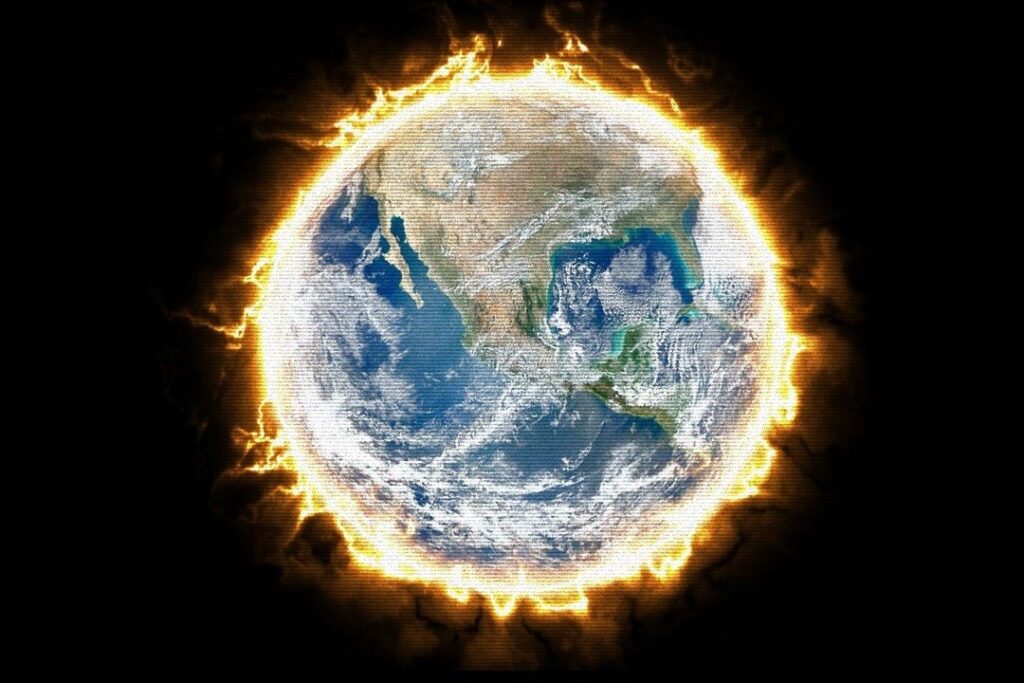
The Future of Our Planet: A Grim Picture for 2050
As we approach the year 2050, a team of researchers from the Swiss Federal Polytechnic University (ETHZ) has published a groundbreaking study on the future climate changes in various cities around the world. The findings are nothing short of alarming.
Understanding Climate Change: A Global Analysis
The research, titled “Understanding Climate Change from a Global Analysis of City Analogues,” analyzed over 520 cities and shed light on the high probability that these locations will undergo significant climate shifts by 2050. The current climate will be drastically different, with temperatures soaring up to 3.5°C higher in summer and 4.7°C higher in winter.
A New World Order: How Cities Will Change
Milan will become as hot as Dallas, Texas; Rome will be similar to Adana, Turkey; Madrid will resemble Marrakech; Stockholm will be like Budapest; London will be similar to Barcelona; and Moscow will be like Sofia. This phenomenon is not unique to these cities alone; all locations are adopting the characteristics of subtropical regions.
The Subtropics Take Over: A Shift in Climate
This shift represents a significant change in climate, with the northern hemisphere experiencing increasing heat and becoming more similar to tropical regions. On the other hand, tropical cities are becoming drier. This simplification helps us understand global climate changes better.
A Valuable Tool for Decision-Makers
The study provides valuable insights for policymakers and urban planners, enabling them to make informed decisions about future climate conditions in their respective cities. By understanding these changes, they can develop effective strategies to address the challenges posed by climate change.
Mappatura dei Cambiamenti Climatici: Una Visione del Futuro
The results of this research are visualized in an interactive map created by the experts.
A Critical Year: 2050 and the Collapse of Ecosystems
Another study conducted in Australia, published by the Breakthrough National Centre for Climate Restoration, has identified 2050 as a critical year when ecosystems could collapse due to climate change.
The Unprecedented Consequences of Climate Change
This report paints an ominous picture, warning that up to 35% of the Earth’s surface could be affected by extreme heat waves for at least 20 days per year; 30% could become desertified; and entire regions in the Mediterranean, Asia West, Middle East, Southwestern United States, and Australian Outback could become inhospitable. Cities like Hong Kong, Mumbai, and Bangkok might need to be abandoned due to sea-level rise.
Resource Scarcity: A Devastating Reality
The scarcity of water resources would affect over two billion people, leading to an inevitable collapse of the global agricultural sector.
Conclusion and FAQs
As we gaze into the future, it becomes clear that 2050 is a critical year that will determine the fate of our planet. Will we take action to prevent this catastrophic scenario? Here are some frequently asked questions about climate change:
-
What is the significance of the study “Understanding Climate Change from a Global Analysis of City Analogues”?
The study provides insights into future climate changes in various cities worldwide and highlights the high probability that these locations will undergo significant shifts by 2050.
* How do cities adapt to changing climates?Cities can take proactive steps to prepare for climate change, such as implementing sustainable infrastructure, investing in renewable energy, and promoting eco-friendly practices.
* What is the likelihood of global ecosystem collapse by 2050?According to the report, there is a high probability that ecosystems could collapse due to climate change, leading to severe consequences for human societies.
* How will sea-level rise affect coastal cities?Cities like Hong Kong, Mumbai, and Bangkok might need to be abandoned or relocated due to rising sea levels.
* What can we do to mitigate the effects of climate change?We must take immediate action to reduce greenhouse gas emissions, invest in renewable energy, and adopt sustainable practices to minimize the impact of climate change.
* Will climate change lead to global conflict and famine?The report suggests that severe climate-related consequences could contribute to an unprecedented number of “climate refugees” and conflicts over resources, leading to widespread suffering.
The Future of Our Planet: What Can We Do Now?
As we approach 2050, it’s essential to understand the gravity of our situation. Climate change is no longer a distant threat but a pressing reality that demands immediate attention. The future of our planet hangs in the balance, and our collective actions can make all the difference.
We must take bold steps towards reducing greenhouse gas emissions, investing in renewable energy, and promoting sustainable practices across industries and communities. We need to work together to mitigate the effects of climate change and create a more resilient future for generations to come.
The clock is ticking, but it’s not too late to make a difference. Let’s join forces to protect our planet and ensure that 2050 becomes a turning point towards a sustainable and equitable world.
Breaking Down Barriers: Collaboration in the Face of Climate Change
Collaboration is key to addressing climate change on a global scale. Governments, businesses, civil society organizations, and individuals must work together to share knowledge, resources, and expertise.
Here are some ways to break down barriers and collaborate effectively:
-
Establish Clear Goals and Objectives
Identify specific, measurable, achievable, relevant, and time-bound (SMART) goals that align with your objectives.
* Foster Open CommunicationEncourage open and transparent communication among stakeholders to build trust and facilitate collaboration.
* Develop Joint StrategiesWork together to develop effective strategies that address the root causes of climate change.
Climate Change and Urban Planning: A New Era
As cities continue to grow, it’s essential to incorporate sustainable urban planning practices into our daily lives. Climate-resilient infrastructure, green spaces, and eco-friendly transportation systems can help mitigate the effects of climate change.
Here are some ways to make a positive impact through urban planning:
-
Invest in Renewable Energy
Incorporate solar panels, wind turbines, and other renewable energy sources into your city’s infrastructure.
* Promote Sustainable TransportationEncourage the use of electric vehicles, pedestrian-friendly streets, and bike lanes to reduce greenhouse gas emissions.
* Create Green SpacesDevelop parks, gardens, and green roofs to help absorb carbon dioxide and produce oxygen.
A Global Call to Action: Climate Change Mitigation
Climate change is a global problem that requires immediate attention. We must work together to reduce greenhouse gas emissions, invest in renewable energy, and promote sustainable practices across industries and communities.
Here are some ways to make a difference:
-
Reduce Energy Consumption
Make conscious choices to reduce energy consumption at home and in your daily life.
* Use Public TransportationReduce reliance on personal vehicles by using public transportation or carpooling.
* Support Renewable Energy ProjectsInvest in renewable energy projects or participate in crowdfunding initiatives to support sustainable development.
Conclusion: A Brighter Future Ahead
The future of our planet is not set in stone. It’s up to us to take bold action and create a more sustainable, equitable world for generations to come. By working together, we can mitigate the effects of climate change and ensure that 2050 becomes a turning point towards a brighter future.
Let’s join forces to protect our planet and create a better world for all.


