
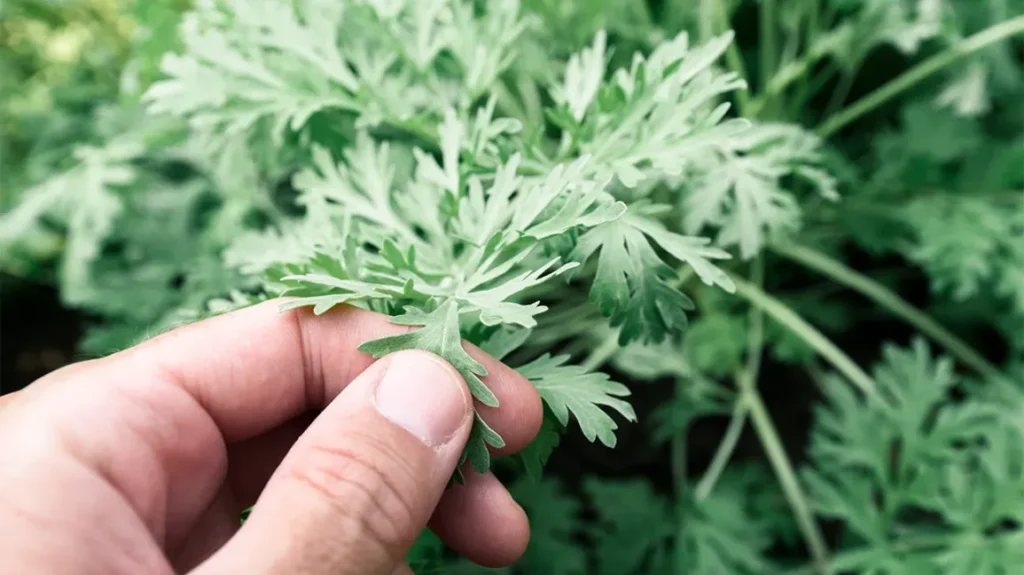
Absinthe, a plant with a long history of controversy and mystique, has been shrouded in mystery for centuries. Its name alone brings to mind the potent spirit that was once popular among artists and intellectuals, but absinthe is more than just a drink – it’s a plant with medicinal properties that have been used for centuries.
The Science Behind Absinthe
Absinthe, scientifically known as Artemisia absinthium, belongs to the Asteraceae family of plants. Its name comes from the Latin word “absinthium,” which was derived from the Greek word “artemes,” meaning “sane.” The plant has been used for medicinal purposes since ancient times and is still used today in traditional medicine.
Appearance and Properties
Absinthe is a perennial herb that can grow up to 1 meter tall. Its leaves are triangular-shaped and have a distinctive aroma, which is often described as bitter and pungent. The plant’s flowers are small and yellow, and its seeds are small and black.
One of the most distinctive features of absinthe is its ability to release a high amount of thujone oil when heated or crushed. Thujone is a compound that has been shown to have psychoactive properties, which is why absinthe was once banned in many countries.
Wild Absinthe vs. Cultivated Absinthe
Wild absinthe can be found in many parts of Europe, Asia, and North Africa, but it is also cultivated in many countries around the world. In fact, most commercial absinthe today is grown in the United States and France.
Cultivating absinthe requires a specific climate and soil type, which makes it challenging to grow commercially. However, many farmers are now experimenting with alternative cultivation methods that can help to increase yields and reduce costs.
The Art of Distillation
Absinthe is typically distilled from its leaves, which are steeped in water to create a flavorful liquid. The resulting liquid is then filtered and diluted with glycerin to create the iconic green color associated with absinthe.
The distillation process for absinthe can be complex, as it requires careful control of temperature and pressure to extract the maximum amount of thujone oil from the leaves. However, many modern distilleries are now using more efficient and sustainable methods to produce their absinthe.
Effets of Absinthe
While absinthe has gained notoriety for its psychoactive properties, it also has a number of medicinal benefits. It can be used as an antiseptic, anti-inflammatory, and antiviral agent. It is also believed to have antioxidant and antibacterial properties.
In traditional medicine, absinthe has been used for centuries to treat a range of ailments, including digestive problems, skin conditions, and respiratory issues. However, more research is needed to fully understand the potential benefits and risks of using absinthe as a medicinal herb.
Controversies and Risks
However, absinthe has also been linked to various health risks, including liver damage, seizures, and hallucinations. These risks are largely due to the high levels of thujone present in the plant, which can cause a range of neurological symptoms.
In addition to these risks, some people may be allergic to absinthe or experience adverse reactions when consuming it. As with any herbal remedy, it’s always best to consult with a healthcare professional before using absinthe as a medicinal herb.
Absinthe in Art and Literature
Despite its reputation for being a “sick” drink, absinthe has been celebrated by many artists and writers throughout history. From Pablo Picasso’s “La Bevitrice d’assenzio” to Edgar Degas’s “L’absinthe,” the plant has inspired countless works of art.
Absinthe was also popular among bohemian writers and intellectuals in the late 19th and early 20th centuries, who saw it as a symbol of their independence and nonconformity. Today, absinthe remains a popular subject for artists and writers, who are drawn to its unique flavor and aroma.
Absinthe in Music
Absinthe has also made appearances in music, from the psychedelic rock band Bluvertigo to Marilyn Manson’s 2007 brand, Mansinthe. The drink’s association with Bohemian culture and its reputation for being a “wild” and unpredictable drink have made it a staple of many music festivals.
In addition to these cultural associations, absinthe has also been used as a creative inspiration for musicians. Many artists have cited absinthe as a source of inspiration for their work, including the famous French poet Charles Baudelaire.
Uses as an Antiparassitario
In addition to its medicinal properties, absinthe has also been used as an antiparasitic agent. Its essential oils have been shown to be effective against certain types of parasites, including tapeworms and hookworms.
Absinthe is still widely used today in traditional medicine for this purpose, particularly in Europe and North Africa. However, more research is needed to fully understand the potential benefits and risks of using absinthe as an antiparasitic agent.
Conclusion
Absinthe is a complex and multifaceted plant with a long history of use in medicine, art, and literature. While its reputation for being “sick” has led to controversy and risk, the plant’s medicinal properties make it a valuable tool in traditional medicine. As we continue to explore the uses of absinthe, it is clear that this enigmatic plant is here to stay.
Frequently Asked Questions
Q: Is absinthe safe to drink?
A: While absinthe has been linked to various health risks, including liver damage and seizures, moderate consumption is generally considered safe for most people. However, as with any herbal remedy, it’s always best to consult with a healthcare professional before using absinthe.
Q: How do I use absinthe as a medicinal herb?
A: Absinthe can be used in a variety of ways, including as a tea, tincture, or essential oil. However, it’s always best to consult with a healthcare professional before using any herbal remedy.
Q: Can I grow my own absinthe plant?
A: Yes, absinthe is relatively easy to grow and can be cultivated in many parts of the world. However, ensure that you follow local regulations regarding its cultivation and use.
Q: Is absinthe still used today in traditional medicine?
A: Yes, absinthe is still used today in traditional medicine for a variety of purposes, including as an antiseptic and anti-inflammatory agent.
Q: Can I take absinthe if I’m pregnant or breastfeeding?
A: No, it’s generally recommended that women avoid consuming absinthe during pregnancy and lactation due to its potential risks. However, consult with a healthcare professional before using any herbal remedy.
Q: Is absinthe effective against parasites?
A: Yes, absinthe has been shown to be effective against certain types of parasites, including tapeworms and hookworms. However, more research is needed to fully understand the potential benefits and risks of using absinthe as an antiparasitic agent.
Q: Can I use absinthe as a natural remedy for any health condition?
A: No, while absinthe has been shown to have medicinal properties, it’s not a substitute for medical treatment. Consult with a healthcare professional before using any herbal remedy for any health condition.
Additional Resources
For more information on the uses and benefits of absinthe, please consult the following resources:
- “The Herbal Medicine-Maker’s Handbook” by James Green
- “The Encyclopedia of Medicinal Herbs” by Andrew Chevallier
- “Absinthe: The Cultivated Herb” by Sarah Bryant
By exploring these resources and learning more about the uses and benefits of absinthe, you can make informed decisions about using this enigmatic plant as a medicinal herb.


