
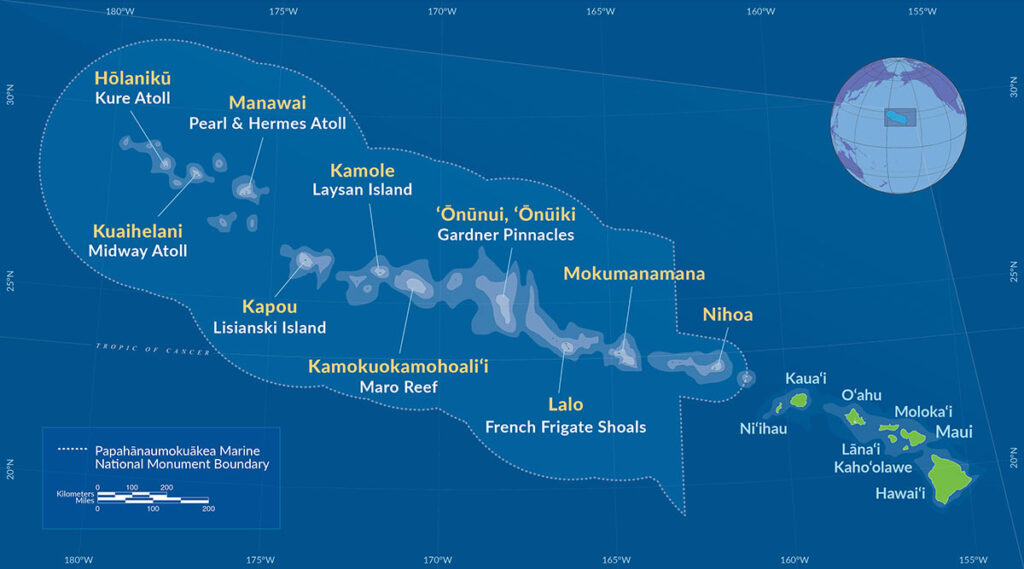
In a bold move, President Barack Obama extended the Papahānaumokuākea Marine National Monument, creating what is now the largest marine park in the world at Hawaii. This unprecedented decision not only sets a new record but also showcases the former president’s commitment to protecting our planet.
As a result of this historic act, over 580,000 square miles of ocean have been designated as a protected area, providing a safe haven for countless species and ecosystems. The expansion of this marine park is a testament to Obama’s dedication to preserving the natural beauty and biodiversity of our planet.
A Gift of Legacy: The Largest Marine Park in the World
This act of kindness, announced by Obama before leaving office, has sent shockwaves around the globe and sparked debate about the importance of marine conservation. By extending this existing park, which was first created by President George W. Bush in 2006, Obama has not only set a new standard but also demonstrated his dedication to preserving our planet.
In addition to its impressive size, the expanded marine park will provide a unique opportunity for scientific research and exploration. The Papahānaumokuākea Marine National Monument is home to an incredible array of species, including many endemic to the region. By studying this ecosystem, scientists can gain valuable insights into the importance of marine conservation and develop new strategies for protecting our oceans.
A Home for Thousands of Species: The Marine Park at Hawaii
The largest marine park in the world at Hawaii is a paradise that offers something for everyone. From coral atolls and small islands to over 14 million seabirds, this incredible ecosystem supports an astonishing array of species. Many are endemic to this region, including the critically endangered Hawaiian monk seal.
The Papahānaumokuākea Marine National Monument is also home to a diverse range of marine life, including sharks, rays, and sea turtles. The monument’s waters are teeming with fish and other organisms, providing an incredible opportunity for scientists and researchers to study these species in their natural habitat.
Sustainable Development Goals: The Need for Marine Conservation
The United Nations’ Sustainable Development Goals (SDGs) emphasize the importance of marine conservation. By 2020, it is hoped that at least 10% of our oceans will be protected. While there is still much work to be done, nations are committing to making progress on this critical issue.
In addition to its economic and environmental benefits, marine conservation also has significant social implications. Coastal communities rely on the health of their oceans for fishing, tourism, and other industries. By protecting these ecosystems, we can ensure that future generations have access to the same resources and opportunities.
Parks and Marine Conservation: The Mediterranean’s ‘To-Do List’
As the Mediterranean faces significant challenges in terms of marine conservation, it is essential that we recognize the importance of protecting our oceans. Today, only 6% of the Mediterranean sea floor has been protected, with much work remaining to be done.
Marine parks and protected areas play a critical role in conserving biodiversity and promoting sustainable development. By establishing these protected areas, governments can help safeguard ecosystems, support local communities, and promote economic growth.
Marine Parks in Italy: Explore and Support Our National Treasures
While the largest marine park in the world at Hawaii may seem like a distant goal, there are many opportunities for us to make a positive impact closer to home. By exploring and supporting our national parks, we can take small but meaningful steps towards protecting our environment.
Italy is home to a number of incredible marine parks and protected areas, including the Marine Reserve of the Mediterranean Sea and the Pelagic Park of Sardinia. These areas provide an opportunity for scientists, researchers, and visitors to explore and learn about these unique ecosystems.
Frequently Asked Questions: The Largest Marine Park in the World
Here are some frequently asked questions about the largest marine park in the world at Hawaii:
Q: Why was this decision made by Obama?
A: The decision to extend the Papahānaumokuākea Marine National Monument was a gesture of love for our planet, demonstrating the former president’s commitment to protecting the environment.
Q: What are some of the species that call this marine park home?
A: Over 1,000 species have been identified in this incredible ecosystem, including many endemic to the region.
Q: How does this compare to other countries’ efforts to protect their oceans?
A: While there is still much work to be done, countries around the world are making progress on protecting our oceans.
Q: What can we do to support marine conservation efforts?
A: By supporting organizations and initiatives that protect our oceans, we can make a positive impact closer to home.
Q: Are all of these parks easily accessible?
A: No, some may be more remote than others. However, exploring our national parks can still have a significant impact on the environment.
Q: How can I learn more about this topic?
A: By reading articles and watching videos, you can gain a deeper understanding of the importance of marine conservation and how to support it.
Q: What are some other ways to reduce my carbon footprint?
A: Making environmentally friendly choices in your daily life, such as reducing plastic use and conserving energy, can also help protect our planet.
The Future of Marine Conservation
As we look to the future, it is clear that marine conservation will play an increasingly important role in protecting our planet. By continuing to support and expand protected areas, we can ensure that future generations have access to the same resources and opportunities.
In addition to its environmental benefits, marine conservation also has significant economic and social implications. Coastal communities rely on the health of their oceans for fishing, tourism, and other industries. By protecting these ecosystems, we can promote sustainable development and support local economies.
Conclusion
The largest marine park in the world at Hawaii is a testament to the importance of marine conservation. By extending the Papahānaumokuākea Marine National Monument, President Obama has set a new standard for protecting our oceans and demonstrated his commitment to preserving the natural beauty and biodiversity of our planet.
As we look to the future, it is clear that marine conservation will play an increasingly important role in protecting our planet. By continuing to support and expand protected areas, we can ensure that future generations have access to the same resources and opportunities. Whether it’s out of friendly competition or a desire to protect our environment, this step by the former president may be the start of a chain reaction that inspires others to follow suit.
By taking small but meaningful steps towards protecting our oceans, we can make a positive impact closer to home. By exploring and supporting our national parks, we can take small but significant steps towards promoting sustainable development and supporting local communities.


