
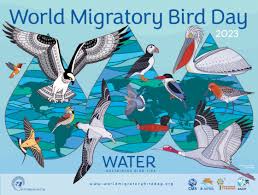
As we go about our daily lives, it’s easy to take for granted the importance of migratory birds in our ecosystem. However, on May 10th, we come together to celebrate and raise awareness about these incredible creatures during the World Migratory Bird Day. In this article, we’ll delve into the history of the event, explore the challenges faced by migratory birds, and discuss ways to make a positive impact.
What is the World Migratory Bird Day?
The World Migratory Bird Day is an annual event that takes place on May 10th, which aims to raise awareness about the plight of migratory birds. The day was first introduced in 2006 by the Convention for the Conservation of Migratory Species (CMS) and the African-Eurasian Waterbird Agreement (AEWA), two international treaties administered by the United Nations Environment Programme (UNEP).
The Importance of Protecting Migratory Birds
Migratory birds play a vital role in maintaining the balance of our ecosystem. They pollinate plants, disperse seeds, and serve as indicators of environmental health. Unfortunately, many migratory bird species are facing threats such as habitat loss, hunting, and climate change.
The History of the World Migratory Bird Day
Since its inception, the World Migratory Bird Day has grown in popularity, with thousands of events taking place across the globe. Each year, the event focuses on a specific theme, which is chosen to raise awareness about a particular issue affecting migratory birds. In 2022, for example, the focus was on stopping illegal hunting and trade.
The Challenges Facing Migratory Birds
Migratory birds are facing numerous challenges, including:
- Hunting and poaching: Many species of migratory birds are hunted for their feathers, meat, or eggs.
- Habitat loss: The destruction of natural habitats due to human activities such as deforestation and urbanization is a major threat to migratory bird populations.
- Climate change: Changes in climate patterns are affecting the availability of food and habitat for many migratory bird species.
Ways to Make a Positive Impact
While the challenges facing migratory birds are significant, there are ways to make a positive impact:
- Support conservation efforts: Donate to reputable organizations that work to protect migratory bird habitats and combat wildlife trafficking.
- Spread awareness: Share information about the importance of migratory birds and the threats they face with friends and family.
- Participate in citizen science projects: Many organizations offer opportunities for citizens to contribute to bird research and conservation efforts.
Tips for a Bird-Friendly Environment
Creating a bird-friendly environment can make a significant difference in supporting migratory birds. Here are some tips:
- Plant native vegetation: Native plants provide food and shelter for many migratory bird species.
- Provide water sources: Migratory birds need access to clean water for drinking and bathing.
- Avoid using pesticides: Pesticides can harm migratory birds and other wildlife.
The Role of Individuals in Conservation
Individuals play a crucial role in the conservation of migratory birds. Here are some ways you can make a difference:
- Volunteer with local birding groups: Many birding groups offer opportunities to participate in citizen science projects and support conservation efforts.
- Support bird-friendly policies: Contact your local government representatives to advocate for policies that protect migratory bird habitats and combat wildlife trafficking.
- Spread awareness about the importance of migratory birds: Share information with friends and family to raise awareness about the plight of these incredible creatures.
The Importance of International Cooperation
International cooperation is essential in protecting migratory birds. The Convention on International Trade in Endangered Species of Wild Fauna and Flora (CITES) regulates international trade in wildlife, including migratory birds. The African-Eurasian Waterbird Agreement (AEWA) also aims to protect waterbirds and their habitats.
Challenges Facing Migratory Birds: Habitat Loss and Climate Change
Habitat loss and climate change are significant threats to migratory bird populations. Here are some ways you can make a difference:
- Support organizations that work on habitat conservation: Donate to reputable organizations that work to protect migratory bird habitats.
- Reduce your carbon footprint: Make environmentally friendly choices, such as using public transportation or carpooling, to reduce your impact on the environment.
The Future of Migratory Bird Conservation
The future of migratory bird conservation is uncertain. However, by working together and making informed decisions, we can make a positive impact on these incredible creatures. Here are some ways you can contribute to their conservation:
- Stay informed: Stay up-to-date with the latest research and news about migratory birds.
- Support policy changes: Advocate for policies that protect migratory bird habitats and combat wildlife trafficking.
Conclusion
The World Migratory Bird Day is an opportunity for us to come together and raise awareness about the importance of protecting migratory birds. By understanding the challenges they face and taking action to support conservation efforts, we can make a positive impact on their populations and the ecosystem as a whole.
Frequently Asked Questions
- Q: What is the World Migratory Bird Day?
A: The World Migratory Bird Day is an annual event that takes place on May 10th to raise awareness about migratory birds. - Q: Why are migratory birds important?
A: Migratory birds play a vital role in maintaining the balance of our ecosystem and serve as indicators of environmental health. - Q: What challenges do migratory birds face?
A: Many migratory bird species are facing threats such as habitat loss, hunting, and climate change. - Q: How can I support migratory birds?
A: You can support migratory birds by donating to reputable organizations, spreading awareness, and participating in citizen science projects. - Q: What can I do to create a bird-friendly environment?
A: Creating a bird-friendly environment involves planting native vegetation, providing water sources, and avoiding the use of pesticides.


