
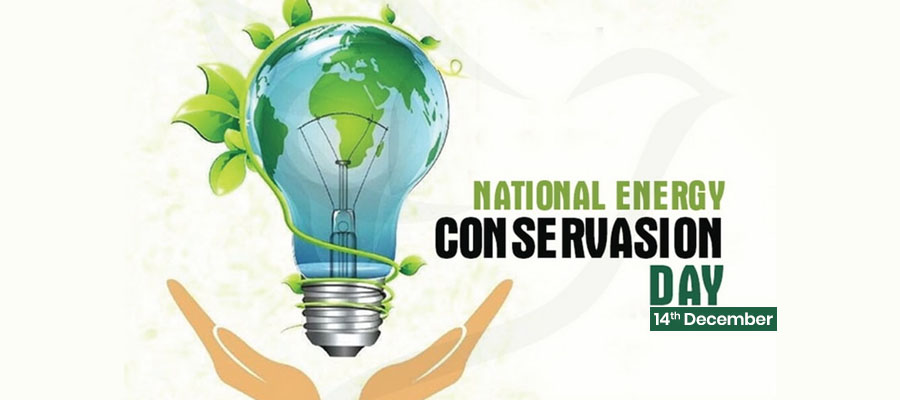
As the clock strikes midnight on February 23rd, a day comes to an end and a new one begins. But amidst the hustle and bustle of daily life, it’s easy to forget about the importance of energy conservation. That’s why we’re here to remind you that today is World Energy Saving Day! This special day serves as a reminder to all of us to take action towards reducing our carbon footprint and mitigating climate change.
The Importance of Energy Conservation
Every single day, our planet loses energy due to inefficiencies in various aspects of our lives, such as food production, transportation, communication, and commerce. This energy waste not only harms the environment but also contributes to climate change. As individuals, we have the power to make a difference by adopting sustainable habits.
Climate change is one of the most pressing issues of our time, with far-reaching consequences for ecosystems, biodiversity, and human societies. Rising temperatures, more frequent natural disasters, and unpredictable weather patterns are just a few of the devastating impacts of climate change. By reducing our energy consumption, we can help to slow down global warming and preserve our planet’s delicate balance.
The Role of Energy Conservation in Climate Change Mitigation
Energy conservation plays a critical role in mitigating climate change by reducing greenhouse gas emissions. The most effective way to address this issue is to switch from fossil fuels to renewable energy sources like solar, wind, and hydroelectric power. By increasing our reliance on these clean energy sources, we can significantly reduce our carbon footprint and help to slow down global warming.
Simple Ways to Save Energy
So, what can you do today to contribute to energy conservation? Here are some easy and practical tips:
- Turn off unnecessary lights, electronics, and appliances when not in use: This is one of the simplest ways to save energy. It’s estimated that up to 30% of our daily energy consumption is wasted due to left-on lights and appliances.
- Use public transport, walk, or bike whenever possible: By leaving your car at home and using alternative modes of transportation, you can significantly reduce your carbon footprint.
- Share resources with your community: Sharing resources like a shared bike or book exchange can help to reduce waste and promote sustainability.
- Organize group outings and meals to reduce food waste: Food waste is a significant contributor to energy consumption, so reducing it by organizing group outings and meals can make a big difference.
- Consider using energy-efficient lighting and devices: LED bulbs, for example, use significantly less energy than traditional incandescent bulbs while producing the same amount of light.
The M’illumino di meno Initiative: A Global Movement
This year marks the 14th edition of “M’illumino di meno” (I’ll light up less), an initiative aimed at raising awareness about the importance of energy conservation. By turning off lights and monuments, participants can symbolically “spend less energy.” This movement has already made a significant impact, with iconic landmarks in Italy and Europe participating.
The M’illumino di meno initiative is just one example of a global movement towards sustainability and energy conservation. There are countless initiatives, organizations, and individuals working tirelessly to promote sustainable living and reduce our carbon footprint.
Innovative Solutions for Energy Efficiency
While there’s still much work to be done, innovative solutions are emerging to address the issue of energy conservation. One such example is Sesto Senso, a smart home system developed by Enea that uses sensors to optimize energy consumption. This intelligent assistant can learn your habits and adjust settings accordingly.
Other examples of innovative solutions include:
- Smart grids: These advanced grid systems use real-time data from sensors and other sources to optimize energy distribution and reduce waste.
- Energy storage systems: These systems, such as batteries, can store excess energy generated by renewable sources for later use.
- Building insulation: Improving building insulation can significantly reduce heat loss in the winter and heat gain in the summer, reducing energy consumption.
Conclusion
As we continue on our journey towards a more sustainable future, it’s essential to remember the importance of energy conservation. By incorporating simple habits into our daily lives, we can make a significant impact on reducing waste and mitigating climate change. Join us in celebrating World Energy Saving Day by making conscious choices about your energy consumption.
Frequently Asked Questions
- Q: How can I get started with energy conservation?
A: Start by turning off unnecessary lights and electronics when not in use, using public transport, or sharing resources with others. - Q: What is the M’illumino di meno initiative?
A: It’s an awareness campaign that encourages people to turn off lights and monuments to symbolize energy conservation. - Q: How does Sesto Senso work?
A: It uses sensors to monitor energy consumption, learning habits and adjusting settings for optimal efficiency. - Q: Can I participate in the M’illumino di meno initiative?
A: Yes! You can join by turning off lights or participating in local events. - Q: What are some other ways to save energy?
A: Some additional tips include using energy-efficient lighting, reducing food waste, and sharing resources with others.
Stay Connected
For more articles on sustainable living and environmental issues, follow us on Twitter, Facebook, and Instagram!
By working together towards a more sustainable future, we can make a real difference in the fight against climate change. Join us today and every day to take action towards reducing energy waste and preserving our planet’s delicate balance.
Additional Resources
For those interested in learning more about energy conservation and sustainability, here are some additional resources:
- The United Nations Environment Programme (UNEP) provides information on sustainable development, climate change, and energy conservation.
- The International Energy Agency (IEA) offers insights into global energy trends, energy efficiency, and renewable energy sources.
- The World Wildlife Fund (WWF) highlights the impact of human activities on the environment and provides solutions for sustainability.
By exploring these resources and taking action towards a more sustainable future, we can work together to create a cleaner, healthier, and more resilient world for all.


