
Unlocking the World of Corporate Social Responsibility: A Guide to a Rewarding Career
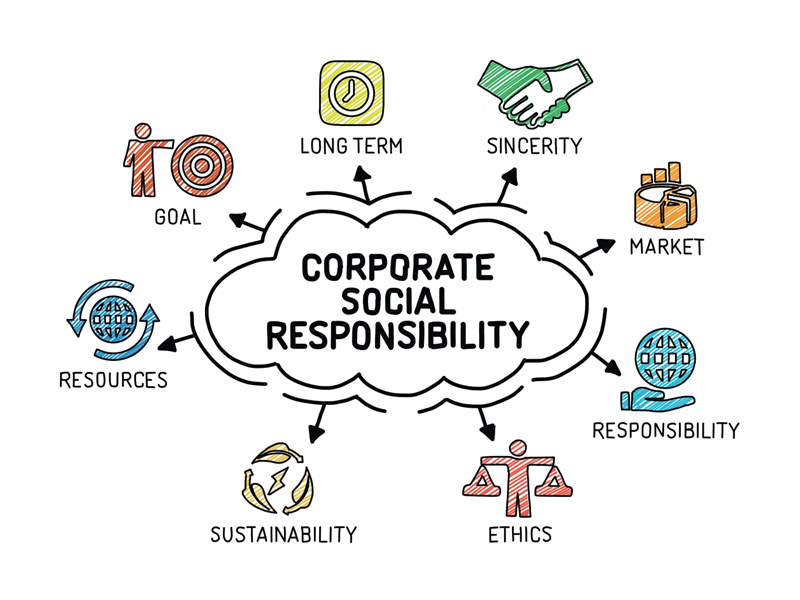
As the world grapples with pressing issues like climate change, social inequality, and economic uncertainty, the concept of Corporate Social Responsibility (CSR) has become increasingly important. CSR is no longer just a buzzword; it’s a tangible way for organizations to make a positive impact on society and the environment while driving business success.
In this article, we’ll delve into the world of CSR, exploring its meaning, its relevance in modern business, and what it takes to succeed in this field. Whether you’re a recent graduate looking to break into the industry or an experienced professional seeking a new challenge, this guide will provide you with valuable insights and practical advice.
What is Corporate Social Responsibility?
CSR refers to an organization’s voluntary efforts to improve its social and environmental performance, going beyond legal compliance. This concept has been around since 2000, when the European Union first recognized it as a strategic tool for making society more competitive and socially cohesive. In 2012, the Commission of the European Union defined CSR as “the integration of social and environmental considerations into business operations and relationships with stakeholders.”
In essence, CSR is about identifying actions that balance economic goals with social and environmental objectives, fostering long-term sustainability. By embracing CSR, organizations can enhance their reputation, attract top talent, and create a positive impact on the world.
The Evolution of CSR in Business
When only large corporations and multinationals initially took up the challenge of CSR, today it’s no longer an elite club. Small and medium-sized enterprises (SMEs) are now actively participating in CSR initiatives, recognizing that these efforts can drive business success while addressing pressing global challenges.
CSR is not just about philanthropy; it’s a way for businesses to demonstrate their commitment to social responsibility, ensuring that their operations have a positive impact on the communities they serve. By integrating CSR into their DNA, organizations can create value beyond profits, leveraging their influence to drive positive change.
The Talent Challenge: Breaking into CSR
Breaking into the world of CSR requires tenacity and perseverance. While it may not be easier than other fields, there are numerous career paths available, each with its unique rewards. To succeed in this field, you don’t need an MBA; your profession can range from science to marketing, business, education, or even non-profit management.
To get started, consider the following strategies:
- Explore diverse roles: Look for job openings that seem unrelated to CSR but may involve related responsibilities.
- Network and build relationships: Collaborate with professionals in the field to gain insights and learn from their experiences.
- Develop a broad skillset: Focus on acquiring skills that are valuable across industries, such as project management, marketing, or data analysis.
3 Essential Tips for Breaking into CSR
Here are three essential tips to help you break into the world of CSR:
- Don’t limit yourself to traditional roles: Look beyond obvious job openings and explore opportunities in related fields.
- Understand the language of CSR: Familiarize yourself with key terms like public relations, sustainability, and corporate governance to identify relevant job postings and networking opportunities.
- Be prepared for a non-linear career path: Break into CSR by taking on roles that seem unrelated but can eventually lead to more senior positions.
Building a Strong Foundation in CSR
To succeed in the world of CSR, it’s essential to build a strong foundation in key areas:
- Stakeholder analysis: Understand who your stakeholders are and how you can engage with them effectively.
- Sustainability reporting: Develop a robust sustainability report that showcases your organization’s progress toward its CSR goals.
- Governance and accountability: Establish clear governance structures and accountability mechanisms to ensure that CSR efforts are effective and transparent.
Measuring the Impact of CSR
To demonstrate the value of CSR initiatives, it’s essential to measure their impact. Here are some key metrics to track:
- Revenue growth: Monitor how CSR efforts contribute to revenue growth.
- Employee engagement: Track employee satisfaction and engagement levels as a result of CSR initiatives.
- Environmental performance: Measure the organization’s environmental footprint and progress toward reducing its carbon emissions.
Overcoming Common Challenges in CSR
While breaking into CSR can be rewarding, it also presents several challenges. Here are some common obstacles to overcome:
- Limited resources: Many organizations lack the necessary resources to implement effective CSR initiatives.
- Lack of awareness: Some employees may not understand the importance of CSR or how they can contribute to it.
- Resistance from stakeholders: Stakeholders may resist CSR efforts, either due to skepticism about their effectiveness or concerns about the impact on profits.
Best Practices for Implementing CSR
To overcome these challenges and implement effective CSR initiatives, consider the following best practices:
- Develop a comprehensive strategy: Create a clear strategy that outlines your organization’s CSR goals and objectives.
- Engage stakeholders: Foster open communication with stakeholders to build trust and understanding.
- Monitor progress: Track the impact of CSR efforts regularly and adjust the strategy as needed.
Conclusion
Breaking into the world of Corporate Social Responsibility requires dedication, perseverance, and a willingness to adapt. By understanding its meaning, relevance in modern business, and what it takes to succeed in this field, you can unlock a rewarding career that drives positive change.
In conclusion, CSR is an essential aspect of modern business, offering numerous benefits for organizations and society as a whole. To break into CSR, consider the strategies outlined above, including exploring diverse roles, networking with professionals, and developing a broad skillset. By building a strong foundation in key areas like stakeholder analysis, sustainability reporting, and governance, you can successfully implement effective CSR initiatives that drive long-term sustainability.
FAQs
- What is CSR?
- CSR stands for Corporate Social Responsibility, referring to an organization’s voluntary efforts to improve its social and environmental performance.
- Who benefits from CSR?
- All stakeholders, including employees, customers, investors, and the wider community, benefit from CSR initiatives.
- Is working in CSR harder than other fields?
- While it may present unique challenges, breaking into CSR can also offer numerous rewards and opportunities for growth.
- Do I need an MBA to work in CSR?
- No; your profession can range from science to marketing, business, education, or non-profit management.
- How do I get started in CSR?
- Explore diverse roles, network with professionals in the field, and develop a broad skillset.


