
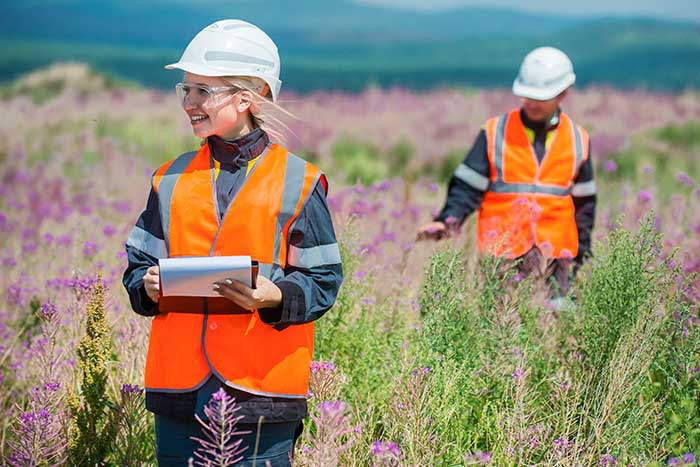
As we navigate the complexities of our increasingly interconnected world, it’s clear that sustainability has become an imperative. The environmental sector has evolved into a thriving industry, providing employment opportunities for millions on the continent. In this article, we’ll delve into the world of green careers and explore the diverse range of roles available in this exciting field.
A Growing Field: Sustainable Careers and Employment
In recent years, sustainable careers have ensured employment for approximately 4 million people across Europe. The demand for professionals working in the environmental sector continues to grow, driven by the need for innovative solutions to pressing global issues. From renewable energy to energy management, there are numerous career paths available for those passionate about creating a more sustainable future.
The Green Economy: A Launchpad for Careers
The Green Economy is experiencing significant growth in Italy, representing a launchpad for careers across various sectors. This includes:
- Renewable energy
- Energy management
- Sustainable architecture
- Eco-friendly transportation
Electrical Researchers: Developing New Alternatives
One notable example of green careers is electrical researchers who choose to remain within the university environment to develop new alternative methods of producing clean energy and improve existing systems. These individuals play a crucial role in driving innovation and advancing our understanding of sustainable technologies.
- Researching Alternative Energy Sources: Electrical researchers investigate various sources of renewable energy, such as solar, wind, and hydroelectric power.
- Developing Energy-Efficient Systems: They design and develop more efficient systems for distributing and utilizing energy, reducing waste and emissions.
- Improving Grid Management: Researchers work on optimizing grid management systems to ensure reliable and sustainable energy supply.
Energy Managers: Promoting Energy Innovations
Energy managers are experts in promoting energy innovations in businesses and public administrations. They work tirelessly to develop and implement energy-efficient solutions, reducing the environmental impact of organizations across various industries.
- Conducting Energy Audits: Energy managers conduct thorough audits of an organization’s energy usage patterns, identifying areas for improvement.
- Developing Energy-Efficient Plans: They create plans to reduce energy consumption by implementing energy-efficient technologies and practices.
- Implementing Sustainability Initiatives: Managers oversee the implementation of sustainability initiatives, such as reducing waste and increasing recycling.
Auditors: Tracking Greenhouse Gas Emissions
Another critical role is played by auditors who specialize in tracking greenhouse gas emissions in the atmosphere. These professionals use their expertise to identify areas where reductions can be made, helping organizations to minimize their carbon footprint and contribute to a more sustainable future.
- Conducting Emissions Assessments: Auditors assess an organization’s greenhouse gas emissions, identifying sources of emissions and opportunities for reduction.
- Developing Reduction Plans: They create plans to reduce emissions by implementing measures such as increasing energy efficiency or transitioning to renewable energy sources.
- Monitoring Progress: Auditors track progress towards emission reduction goals, providing feedback and guidance to ensure continued success.
Water Quality Monitoring Technicians: Analyzing Pollutants
Water quality monitoring technicians analyze pollutants dissolved in oceans and rivers, working to understand the impact of human activities on our planet’s ecosystems. This critical work helps inform policies and strategies aimed at protecting our environment for future generations.
- Sampling Water Samples: Technicians collect water samples from various locations, analyzing them for pollutants such as chemicals, heavy metals, and bacteria.
- Analyzing Data: They analyze the data collected, identifying trends and patterns related to water quality.
- Developing Mitigation Strategies: Based on their findings, technicians develop strategies to mitigate the impact of pollutants on water quality.
Eco-Chefs: Sustainable Food Systems
In a surprising twist, eco-chefs have emerged as an essential part of the environmental sector. These professional chefs specialize in preparing seasonal, organic, and locally sourced products using minimal energy from clean sources. By eliminating waste and artificial preservatives, they help reduce our reliance on unsustainable food systems.
- Sourcing Ingredients Locally: Eco-chefs prioritize sourcing ingredients from local farms and suppliers to minimize transportation emissions.
- Reducing Food Waste: They implement strategies to reduce food waste throughout the supply chain, from farming to consumption.
- Developing Sustainable Menus: Eco-chefs create menus that showcase sustainable ingredients and cooking methods.
Sustainable Tourism Operators: Combining Entertainment with Environmental Awareness
Sustainable tourism operators offer solutions that combine entertainment with environmental awareness within the tourism sector. By utilizing public transport, accommodations, and reduced-impact transportation, these professionals promote responsible travel practices and support local economies.
- Developing Eco-Tourism Itineraries: Sustainable tourism operators create itineraries that highlight environmentally sensitive destinations and activities.
- Implementing Sustainable Practices: They implement sustainable practices throughout their operations, such as reducing energy consumption and waste.
- Supporting Local Communities: Sustainable tourism operators prioritize supporting local communities, ensuring that economic benefits are shared equitably.
Mechanical Engineers Specializing in Hybrid Systems
Mechanical engineers specializing in hybrid systems collaborate with major automotive companies to experiment with new forms of eco-friendly transportation. This innovative work has significant implications for our planet’s future, as it enables the development of cleaner, more efficient vehicles.
- Designing Alternative Propulsion Systems: Mechanical engineers design and develop alternative propulsion systems, such as electric motors or hydrogen fuel cells.
- Improving Energy Efficiency: They optimize energy efficiency in hybrid systems, reducing emissions and improving performance.
- Developing Sustainable Materials: Engineers explore the use of sustainable materials in hybrid systems, reducing waste and environmental impact.
Sustainable Architecture Designers: Creating Energy-Efficient Buildings
Sustainable architecture designers create buildings that adhere to energy-saving and efficiency rules, ensuring a reduced environmental impact. Their work drives innovation in the field of sustainable design, helping to shape a more environmentally conscious future.
- Designing Energy-Efficient Building Envelopes: Sustainable architecture designers optimize building envelopes, reducing heat loss and gain.
- Implementing Green Roofs: They incorporate green roofs into building designs, providing insulation and habitat for local wildlife.
- Developing Renewable Energy Systems: Designers integrate renewable energy systems, such as solar or wind power, into building designs.
Environmental Educators: Sensitizing Communities to Sustainability
Finally, there’s the figure of an environmental educator who has the task of sensitizing associations, schools, private, and public structures to environmental respect and preparing people for eco-sustainable choices. These professionals play a vital role in empowering communities to adopt more sustainable lifestyles.
- Developing Environmental Education Programs: Environmental educators create programs that teach children and adults about environmental issues and sustainability.
- Conducting Workshops and Training Sessions: They conduct workshops and training sessions, equipping individuals with the knowledge and skills needed to make environmentally conscious choices.
- Promoting Community Engagement: Educators foster community engagement by encouraging participation in local environmental initiatives.
Conclusion: Embracing a Greener Future
As we reflect on the diverse range of careers available in the environmental sector, it’s clear that there’s never been a more exciting time to explore this field. From electrical researchers to eco-chefs, sustainable architecture designers, and environmental educators, each role contributes to a broader movement towards creating a more sustainable future.
By embracing these green careers, we can make a positive impact on our planet and shape a brighter future for generations to come.
Frequently Asked Questions
- What are some of the most popular green careers available today?
- Electrical researchers
- Energy managers
- Auditors
- Water quality monitoring technicians
- Eco-chefs
- Sustainable tourism operators
- Mechanical engineers specializing in hybrid systems
- Sustainable architecture designers
- Environmental educators
- What drives the growth of sustainable careers?
- Increased demand for environmentally friendly solutions
- Growing recognition of the importance of sustainability
- Advances in technology and innovation
- Shifts in societal values towards environmental responsibility
- How can individuals get involved in the environmental sector?
- Pursue higher education or vocational training in environmental-related fields
- Volunteer for organizations focused on sustainability
- Participate in community-led initiatives promoting environmental awareness
- Advocate for policies supporting sustainable practices
- What are some of the benefits of working in the environmental sector?
- Opportunities to make a positive impact on the planet
- Development of skills and knowledge in a rapidly evolving field
- Contribution to a broader movement towards sustainability
- Enhanced career prospects and opportunities for advancement
- How can individuals balance their personal and professional lives while working in the environmental sector?
- Set clear goals and priorities
- Establish a healthy work-life balance
- Seek support from colleagues, mentors, or loved ones
- Prioritize self-care and stress management


