
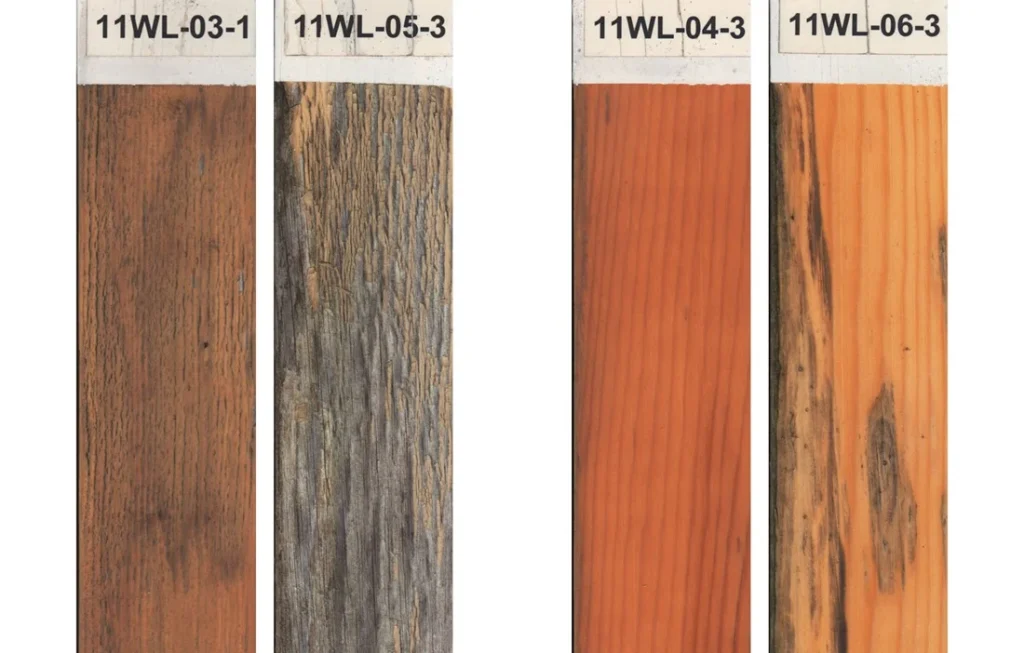
As the demand for natural materials in home decor continues to rise, wooden surfaces are becoming increasingly popular. However, maintaining their beauty can be a challenge. Wooden elements can become dull, cracked, or discolored over time, which is where wood treatment products come into play.
In this article, we’ll explore two effective methods for revitalizing your wooden surfaces: using wood oil and making your own natural treatments with ingredients like olive oil and vinegar.
Why Natural Wood Treatment Matters
Treating your wooden surfaces naturally is essential to preserving their appearance and extending their lifespan. Chemical-based products can damage the wood, lead to environmental pollution, and compromise indoor air quality. By opting for natural methods, you can enjoy a healthier home while maintaining the aesthetic appeal of your wooden decor.
The Benefits of Olive Oil Wood Treatment
Olive oil has been used for centuries as a natural remedy for various purposes, including skin care and wood treatment. Its benefits for wooden surfaces are multifaceted:
- Repairs cracks and crevices: Olive oil helps to fill in gaps and imperfections on the surface, restoring its original appearance.
- Provides durability: The oil creates a protective barrier that shields the wood from moisture, UV rays, and other environmental factors, ensuring it remains vibrant for longer.
- Enhances natural color: As olive oil penetrates the wood grain, it brings out the natural colors and textures of the material.
To get started with this method, you’ll need to prepare a mixture of olive oil and water. Here’s a simple recipe:
Olive Oil Wood Treatment Recipe
Ingredients:
- 25 ml olive oil
- 25 ml water
Instructions:
- Combine the olive oil and water in a bowl.
- Dip a lint-free cloth into the solution, wring it out thoroughly, and apply it to the wooden surface you want to treat.
- Gently rub the wood with the damp cloth, working from one end to the other. Be sure to cover all areas evenly.
The Power of Vinegar in Wood Treatment
Vinegar is another natural ingredient that can be used to clean and maintain wooden surfaces. Its acidity helps break down dirt, grime, and mineral deposits, leaving your wood looking like new again.
Here’s a simple recipe for making a vinegar-based wood treatment:
Vinegar Wood Treatment Recipe
Ingredients:
- 500 ml water
- 100 ml white vinegar
Instructions:
- Mix the water and vinegar in a bowl.
- Dip a lint-free cloth into the solution, wring it out thoroughly, and apply it to the wooden surface you want to treat.
- Gently rub the wood with the damp cloth, working from one end to the other.
Tips for Applying Vinegar Wood Treatment
- Use this treatment for larger surfaces like floors or walls.
- Apply the solution evenly to ensure thorough coverage.
- Allow the vinegar to sit on the surface for a few minutes before wiping it clean with a damp cloth.
Maintaining Your Wooden Surfaces
To keep your wooden surfaces looking their best, make sure to:
- Regularly clean and dust them
- Use a wood oil or wax to protect the material
- Avoid exposing them to direct sunlight or extreme temperatures
By following these simple steps and using natural ingredients like olive oil and vinegar, you can maintain the beauty of your wooden surfaces while creating a healthier indoor environment.
FAQs
Q: How often should I apply an olive oil wood treatment?
A: It’s recommended to reapply every 3-6 months to maintain the wood’s durability and appearance.
Q: Can I use this method on all types of wood?
A: While olive oil works well for most woods, it’s essential to test a small area first to ensure compatibility.
Q: How do I remove stubborn stains or scuff marks from my wooden surfaces?
A: Try using a gentle cleaning solution and a soft cloth. If the stain persists, consider consulting a professional woodworker.
Q: Is using vinegar a safer alternative to chemical-based products?
A: Yes, vinegar is generally considered a safer option due to its natural acidity and non-toxic properties.
Q: Can I use olive oil or vinegar on my floors and walls?
A: Yes, but be sure to follow the instructions carefully and test a small area first to avoid any damage.
Additional Tips for Using Olive Oil Wood Treatment
- Always choose high-quality, pure olive oil for best results.
- Avoid using too much oil, as it can leave a sticky residue on the surface.
- Consider adding a few drops of essential oils, such as lavender or tea tree oil, to enhance the treatment’s benefits.
Additional Tips for Using Vinegar Wood Treatment
- Make sure to dilute the vinegar with water, as undiluted vinegar can be too harsh on some surfaces.
- Test the solution on a small area first to ensure compatibility and avoid any damage.
- Consider adding a few drops of essential oils, such as lemon or eucalyptus oil, to enhance the treatment’s benefits.
Conclusion
Natural wood surfaces are a beautiful addition to any home. By using natural methods like olive oil and vinegar treatments, you can maintain their beauty while creating a healthier indoor environment. Remember to follow the instructions carefully and test a small area first to avoid any damage. With these simple steps, you can enjoy the timeless appeal of your wooden surfaces for years to come.
Glossary
- Wood oil: A natural substance extracted from trees, used to protect and condition wood surfaces.
- Vinegar: An acidic liquid made from fermented fruit or grains, often used as a cleaning agent.
- Lint-free cloth: A soft cloth that is free of lint, ideal for applying wood treatments without leaving residue.
- Essential oils: Concentrated liquids extracted from plants, known for their therapeutic and aromatic properties.
By understanding the benefits and uses of natural wood treatment methods like olive oil and vinegar, you can create a healthier home while maintaining the aesthetic appeal of your wooden surfaces.


