
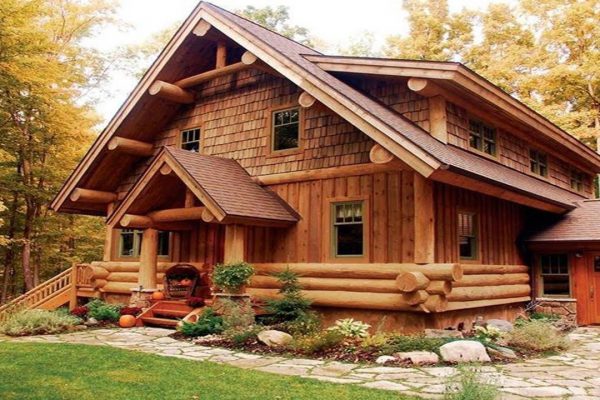
As the world becomes increasingly urbanized, many people are seeking a way to escape the hustle and bustle of city life and connect with nature. Wooden cottages, also known as prefabricated wood homes, have become a popular solution for those looking to create a peaceful retreat from the chaos of everyday life. In this article, we will explore the characteristics and benefits of wooden cottages, including their uses, advantages, and how to choose the right one for your needs.
What is a Wooden Cottage?
A wooden cottage is a prefabricated wood structure that can be assembled on-site in a matter of hours. It’s designed to provide a comfortable living space with minimal materials and labor costs. These cottages come in various sizes, from small cabins to larger homes, making them suitable for different purposes.
Uses of Wooden Cottages
Wooden cottages can serve multiple purposes:
• Retreat: A cozy retreat where you can relax, unwind, and recharge.
• Guest House: A comfortable space to host friends and family.
• Home Office: A quiet workspace that inspires productivity.
• Bed and Breakfast: An ideal location for a small-scale B&B.
Benefits of Wooden Cottages
Wooden cottages offer several benefits:
• Affordability: These structures are more cost-effective than traditional construction methods.
• Speed of Assembly: Wood cottages can be assembled quickly, often in just a few hours.
• Flexibility: They can be easily moved to a different location if needed.
Characteristics of Wooden Cottages
The size and dimensions of wooden cottages vary greatly:
• Small Cabins: 3m x 3m (9.8ft x 9.8ft) – perfect for small storage spaces or as a reading nook.
• Medium-Sized Homes: 4×3, 5×4, or 6×6 sqm (43sqft x 32ft x 64sqft) – suitable for one or two bedrooms and basic amenities.
• Large Homes: Over 100 sqm (1,076 sqft) with multiple bedrooms and a spacious living area.
Choosing the Right Wooden Cottage
When selecting a wooden cottage, consider the following factors:
• Quality of Materials: Look for products made from sustainably sourced wood.
• Manufacturer Reputation: Research reputable manufacturers to ensure quality and durability.
• Certification: Ensure that the manufacturer has received certifications for sustainable forestry practices.
Where to Buy Wooden Cottages
Some leading manufacturers of wooden cottages include:
- Pineca: Offers a wide range of models with detailed specifications, 3D visualization, and customer support.
- Pineta: Has over 25 years of experience in producing high-quality wooden cottages.
Assembling a Wooden Cottage
Assembly is relatively straightforward if you choose a manufacturer that provides clear instructions and well-organized components:
- Review the manual carefully before starting assembly.
- Ensure all necessary tools are available before commencing work.
- Follow the manufacturer’s guidelines for a smooth and efficient assembly process.
Prices of Wooden Cottages
Prices vary greatly depending on size, material, and features:
• Small Cabins: Approximately €1,000 (€1,300 USD).
• Large Homes: Up to €30,000 (€37,000 USD) or more for premium models with multiple bedrooms and advanced amenities.
Designing Your Wooden Cottage
Before making a purchase, consider your needs and preferences:
• Layout: Choose a layout that suits your lifestyle and requirements.
• Finishing Touches: Decide on the type of finishes you want to use, such as paint or stain, and how much insulation you need.
• Windows and Doors: Select energy-efficient windows and doors to minimize heat loss.
Sustainability in Wooden Cottage Construction
To ensure that your wooden cottage is environmentally friendly:
- Look for manufacturers who use sustainable materials and practices.
- Consider the carbon footprint of transportation and assembly.
- Incorporate renewable energy sources, such as solar panels or wind turbines.
Maintenance and Repair of Wooden Cottages
Regular maintenance is essential to extend the lifespan of your wooden cottage:
- Inspect the structure regularly for signs of damage or wear.
- Clean the exterior and interior surfaces regularly to prevent rot and decay.
- Apply a waterproof coating as needed to protect against moisture.
Relocating Your Wooden Cottage
If you need to relocate your wooden cottage, consider the following factors:
• Weight and Size: Ensure that the structure is suitable for transportation and relocation.
• Foundation Requirements: Check if the new location requires any foundation modifications or special permits.
• Environmental Impact: Assess how relocation will affect local ecosystems and wildlife.
Off-Grid Living with Wooden Cottages
Wooden cottages can be designed to support off-grid living:
- Consider installing solar panels, wind turbines, and rainwater harvesting systems.
- Choose a location that receives adequate sunlight and has access to natural resources.
- Plan for energy storage and backup power sources.
Wooden Cottage Styles and Designs
From traditional to modern designs, wooden cottages come in various styles:
• Rustic: Traditional designs with exposed beams and natural materials.
• Modern: Sleek, minimalist designs that incorporate sustainable materials.
• Fusion: Blending of traditional and modern elements for a unique look.
Benefits of Wooden Cottages for Specific Needs
Wooden cottages can cater to specific needs:
• Accessibility: Wide doorways and ramps make it easier to navigate for people with mobility issues.
• Pet-Friendly: Consider designs that accommodate pets, such as outdoor spaces or pet-friendly materials.
• Special Needs: Incorporate features that support individuals with disabilities, such as wheelchair accessibility.
Conclusion
Wooden cottages offer a unique blend of affordability, flexibility, and sustainability. When choosing the right one, consider factors such as material quality, manufacturer reputation, certification, and size. By understanding the benefits and characteristics of wooden cottages, you can find the perfect retreat to suit your needs and preferences.
Frequently Asked Questions
- Q: What are the most common materials used in wooden cottage construction?
A: The most commonly used materials are wood, steel, and roofing materials. - Q: How long does it take to assemble a wooden cottage?
A: Assembly time varies depending on the size of the structure and manufacturer instructions. Typical assembly times range from 1-10 hours. - Q: What is the average cost of wooden cottages in Europe?
A: Prices vary greatly, but on average, small cabins cost around €5,000 (€6,500 USD), while larger homes can exceed €20,000 (€25,000 USD). - Q: Can I customize my wooden cottage?
A: Yes, many manufacturers offer customization options for size, design, and materials. -
Q: What is the best way to ensure sustainability in wooden cottage construction?
A: Look for manufacturers that use sustainably sourced wood and follow eco-friendly practices throughout their production process. -
Q: Are wooden cottages suitable for off-grid living?
A: Yes, many wooden cottages can be designed for off-grid living with proper insulation, solar panels, and rainwater harvesting systems. - Q: How do I maintain a wooden cottage to ensure longevity?
A: Regular maintenance includes cleaning the structure regularly, inspecting for damage, and applying a waterproof coating as needed. -
Q: Can I relocate my wooden cottage if needed?
A: Yes, many manufacturers offer relocation services, but it’s essential to discuss this option with your manufacturer before making a purchase. -
Q: Are there any specific regulations or building codes for wooden cottages?
A: Check with local authorities and building departments to ensure compliance with relevant regulations and codes. -
Q: Can I use a wooden cottage as an investment property?
A: Yes, many investors choose wooden cottages as a rental property due to their affordability and flexibility. -
Q: What is the typical lifespan of a wooden cottage?
A: The lifespan of a wooden cottage can vary greatly depending on factors like maintenance, weather conditions, and materials used. -
Q: Can I use natural materials for my wooden cottage interior?
A: Yes, many manufacturers offer eco-friendly options for interior finishes, such as reclaimed wood or bamboo. -
Q: Are there any safety concerns associated with wooden cottages?
A: As with any structure, ensure proper installation and maintenance to minimize the risk of fire hazards or other safety issues. -
Q: Can I build a wooden cottage on my own?
A: While possible, building a wooden cottage requires specialized knowledge and expertise. Consider hiring a professional builder if you’re not experienced in construction. -
Q: What are some popular destinations for wooden cottages?
A: Many countries with natural beauty, such as the Scottish Highlands or the French countryside, offer perfect environments for wooden cottages.


