
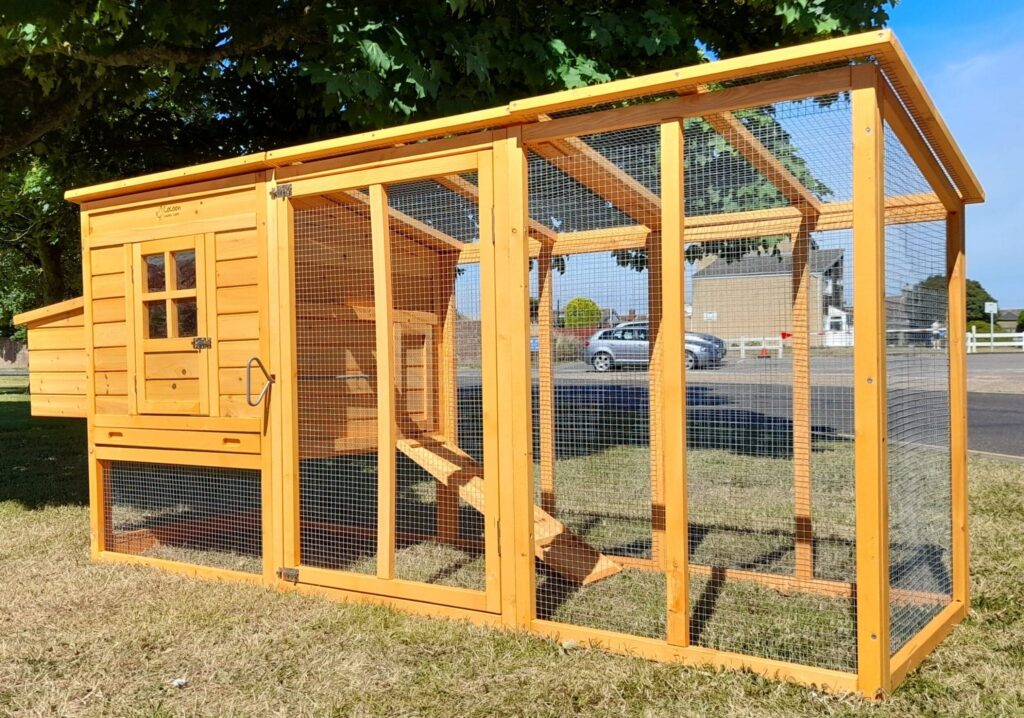
As any backyard chicken enthusiast knows, building a coop is an essential part of raising happy and healthy chickens. But with so many options available, it can be overwhelming to decide on the right material for your coop. In this article, we’ll explore the benefits and considerations of building a wooden chicken coop, including its pros and cons, design requirements, construction tips, and budget-friendly options.
What is a Wooden Chicken Coop?
A wooden chicken coop is a type of enclosure made from natural wood materials, such as cedar or pine. It provides a safe and comfortable space for chickens to roost, nest, and live out their lives. Wooden coops are popular among backyard chicken enthusiasts due to their unique aesthetic appeal and durability.
Characteristics to Consider When Buying a Wooden Chicken Coop
When purchasing a wooden chicken coop, consider the following key features:
- Size: The size of your coop will depend on the number of chickens you plan to raise. A general rule of thumb is to provide at least 2-4 square feet per bird inside the coop and an additional 8-10 square feet for the run.
- Nesting Boxes: Chickens need a safe and private space to lay their eggs. Look for a coop with multiple nesting boxes, ideally one box per 3-4 hens.
- Ventilation: Adequate ventilation is crucial to keep your chickens healthy and happy. Look for coops with windows or vents that allow fresh air to circulate.
- Predator Protection: Wooded coops can be vulnerable to predators like raccoons, foxes, and coyotes. Consider adding hardware cloth or chicken wire around the coop to prevent predator attacks.
Design Requirements
When building a wooden chicken coop, keep in mind the following design requirements:
- Sturdy Foundation: A sturdy foundation is essential for your coop’s stability and longevity.
- Well-Ventilated Roof: Ensure your coop has adequate ventilation to regulate temperature fluctuations.
- Easy Cleaning: Choose a coop with easy-to-clean features, such as removable nesting boxes or easy-access doors.
Construction Tips
Building a wooden chicken coop requires some carpentry skills and patience. Here are some construction tips to keep in mind:
- Use durable materials like cedar or pine for your coop’s frame.
- Add ventilation holes and windows to ensure proper airflow.
- Incorporate predator-proof features, such as hardware cloth or chicken wire.
- Build a sturdy foundation to prevent the coop from sinking into the ground.
Budget-Friendly Options
If you’re on a tight budget, consider building your own wooden chicken coop using reclaimed materials like pallets or crates. Here are some budget-friendly options:
- Repurpose Old Pallets: Collect old pallets and disassemble them to create a unique and eco-friendly coop.
- Use Reclaimed Wood: Look for local sources of reclaimed wood, such as barns or fencing posts, to build your coop.
Considerations When Choosing the Right Wood
When selecting wood for your chicken coop, consider the following factors:
- Rot Resistance: Cedar and redwood are natural preservatives that can help protect your coop from rot.
- Moisture Resistance: Look for woods with low moisture content to prevent warping or cracking.
- Durability: Choose woods that are resistant to wear and tear.
Best Wooden Coop Materials
Some of the best wooden materials for building a chicken coop include:
- Cedar: A popular choice due to its natural preservatives and rot-resistant properties.
- Redwood: A durable wood with low moisture content, making it ideal for outdoor construction projects.
- Pine: A softwood that’s easy to work with and affordable, but may require additional protection from the elements.
Tips for Building a Chicken Coop
Here are some valuable tips to help you build a safe and comfortable coop:
- Use a sturdy frame to support the weight of the chickens.
- Install nesting boxes at a height that allows hens to easily access them.
- Incorporate ventilation systems to maintain proper airflow.
Building a Wooden Chicken Coop: A Step-by-Step Guide
Here’s a step-by-step guide to help you build your very own wooden chicken coop:
- Plan Your Design: Create a detailed plan of your coop’s design, including the size, shape, and features.
- Gather Materials: Collect all the necessary materials, such as lumber, nails, and hardware cloth.
- Start Building: Begin building your coop by constructing the frame using durable wood like cedar or redwood.
Safety Considerations
When working on a wooden chicken coop project, consider the following safety precautions:
- Wear protective gear, including gloves and safety glasses.
- Use proper lifting techniques to avoid injury.
- Ensure that your workspace is well-ventilated.
Conclusion
Building a wooden chicken coop requires some planning and effort, but it can be a rewarding DIY project. By considering the pros and cons of building a wooden coop, design requirements, construction tips, budget-friendly options, and safety considerations, you’ll be well on your way to creating a safe and comfortable home for your backyard chickens.
Frequently Asked Questions
Here are some frequently asked questions about building a wooden chicken coop:
- What is the best material for building a chicken coop?
Cedar or pine wood are popular choices due to their durability and resistance to rot. - How do I protect my coop from predators?
Add hardware cloth or chicken wire around your coop, and ensure that windows and vents are secure. - What size should my coop be?
Provide at least 2-4 square feet per bird inside the coop and an additional 8-10 square feet for the run. - Can I build a wooden chicken coop on its own or do I need professional help?
If you have basic carpentry skills, you can build your coop yourself. However, if you’re unsure about certain aspects of construction, consider consulting a professional contractor.
Don’t forget to always follow local regulations and guidelines when building a backyard chicken coop. With the right planning and materials, you’ll be raising happy and healthy chickens in no time!


