
Introduction
The Columba Palumbus, commonly known as the wood pigeon or woodcock, is one of the largest and most widespread bird species in Europe. With its distinctive appearance and fascinating habits, this bird has captivated the hearts of many nature enthusiasts. In this article, we will delve into the world of the wood pigeon, exploring its characteristics, habitat, behavior, and hunting practices.
How to Identify a Wood Pigeon
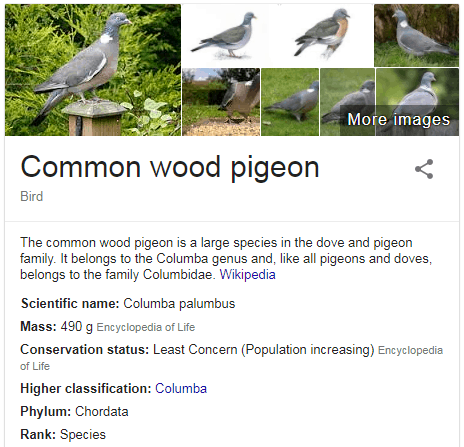
To recognize a wood pigeon, look for an bird with a rounded body, pink legs, and a short, yellow beak. The length of the bird varies between 40-42 cm (16-17 in), while its wingspan ranges from 75-80 cm (30-32 in). During flight, the white stripes on the upper wings are visible. The plumage is predominantly gray-blue, with greenish sheen and white patches on the throat, and red-brown to pinkish hues on the belly.
Habitat of Wood Pigeons
Wood pigeons inhabit forests with tall trees and deciduous leaves, as well as areas with coniferous trees. In recent years, they have adapted to urban environments, building nests in parks and green spaces. They can be found in Africa north-western regions, western Asia, southern Asia, and throughout Europe, except for the northern Scandinavia and Iceland.
Breeding and Nesting
During autumn, wood pigeons migrate to more southern regions before returning to their breeding grounds in spring. In Europe, they are non-migratory birds, meaning they don’t change their location significantly with the seasons. Wood pigeons breed monogamously, forming long-lasting pair bonds. The female lays one or two eggs per year, which are incubated for 17-19 days by both parents.
Diet and Foraging
Wood pigeons have a simple diet consisting of seeds, berries, roots, flowers, grass seeds, small insects or worms. They also enjoy fruits in autumn and winter, such as acorns and hazelnuts. In the wild, they forage on the ground using their strong legs and sharp beaks.
Distinguishing Wood Pigeons from Doves
While both wood pigeons and doves belong to the Columbidae family, there are distinct differences between them. Wood pigeons have white stripes on their wings, white patches on either side of their necks, and a square-shaped tail with a black band. In contrast, doves have gray-blue wings, without white stripes or patches.
Hunting Regulations
In Italy, wood pigeons can be hunted from September 3rd to January 31st as specified by Law 157/1992, Article 18. This regulation applies to all EU member states based on the Birds Directive 79/409/EEC of April 2nd, 1979.
Conservation Status
Unfortunately, wood pigeons are among the most hunted bird species in Europe, with an estimated 9.5 million individuals being shot annually. As a result, they face threats to their populations and habitats. Wood pigeons belong to protected species due to these concerns. Efforts to reintroduce trees and promote sustainable urban development can help ensure the continued presence of wood pigeons.
Migration Patterns
Wood pigeons have a unique migration pattern, with some birds migrating long distances every year. However, in Europe, they are non-migratory birds, meaning they don’t change their location significantly with the seasons. This adaptation allows them to thrive in various environments and exploit different food sources throughout the year.
Social Structure
Wood pigeons have a complex social structure, with dominant males leading groups of up to 20 individuals. Dominant males establish territories and defend them against other males through aggressive displays. Females often form small groups with their offspring, while males may wander on their own or join bachelor groups.
Roosting Behavior
Wood pigeons are known for their unique roosting behavior, where they gather in large flocks to rest and socialize during the night. These gatherings can number in the thousands and occur in various locations, including trees, buildings, and open spaces. During this time, birds engage in a variety of behaviors, such as preening, singing, and making contact calls.
Fledging
Wood pigeon young are precocial, meaning they are relatively mature at birth and able to fend for themselves shortly after hatching. Fledged offspring typically leave their parents’ territory around 50-60 days old, although some may stay with their family group for several weeks or even months longer.
Predators and Threats
Wood pigeons face various threats from predators and human activities, including hunting, habitat destruction, and fragmentation. Hawks, owls, foxes, and cats are among the primary predators of wood pigeons. In addition, wood pigeons can be impacted by agricultural practices, such as monoculture farming and intensive forestry.
Conservation Efforts
To address these threats and protect wood pigeon populations, various conservation efforts are underway. These include habitat restoration and creation, predator control measures, and education campaigns to raise awareness about the importance of sustainable forest management.
Conclusion
The Columba Palumbus is an incredible bird species that has captivated many with its unique characteristics and fascinating habits. By understanding their habitat, behavior, and hunting practices, we can better appreciate these birds and contribute to their conservation.
FAQs
- What does the name “Columba Palumbus” mean?
-
The scientific name of the bird refers to two Latin words: Columba (dove or pigeon) and Palumbus (wood pigeon).
-
How do I identify a wood pigeon?
-
Look for an oval-shaped body, pink legs, short beak, and distinctive white stripes on its wings.
-
Where can I find wood pigeons?
-
They inhabit forests with tall trees and deciduous leaves, as well as urban green spaces in Europe.
-
What do wood pigeons eat?
-
Their diet consists of seeds, berries, roots, flowers, grass seeds, small insects or worms. They also enjoy fruits in autumn and winter, acorns and hazelnuts.
-
How many eggs does a wood pigeon lay per year?
-
Typically one or two eggs per year, which are incubated for 17-19 days by both parents.
-
Can wood pigeons migrate to new regions?
-
No, they do not migrate significantly with the seasons, remaining in their breeding grounds throughout Europe.
-
Why are wood pigeons hunted so much?
-
Unfortunately, they face threats from hunting, with an estimated 9.5 million individuals being shot annually due to their high population and widespread presence.
-
How can I help protect wood pigeon populations?
- Supporting sustainable urban development and planting trees in areas currently devoid of them will contribute to the continued survival of this species.
Interesting Facts
- Wood pigeons are known for their distinctive calls, which resemble a series of soft cooing sounds.
- They have a unique way of eating seeds, using their strong legs to dig into soil and retrieve buried seeds.
- Wood pigeons can live up to 10 years in the wild, although their average lifespan is around 5-7 years due to various threats.
Interesting Pictures
- A flock of wood pigeons perched on a tree branch, displaying their distinctive white stripes and gray-blue plumage.
- A close-up image of a wood pigeon’s beak, highlighting its short, yellow color.
- A group of young wood pigeons fledge from their parents’ nest, showcasing their first flight.
Interesting Videos
- A time-lapse video of a wood pigeon roosting in a tree, capturing the unique gathering behavior of these birds.
- A clip showing a wood pigeon’s fledging process, highlighting its first flight and subsequent development.
- A documentary featuring wood pigeons in their natural habitat, showcasing their fascinating social behavior and adaptations to urban environments.


