
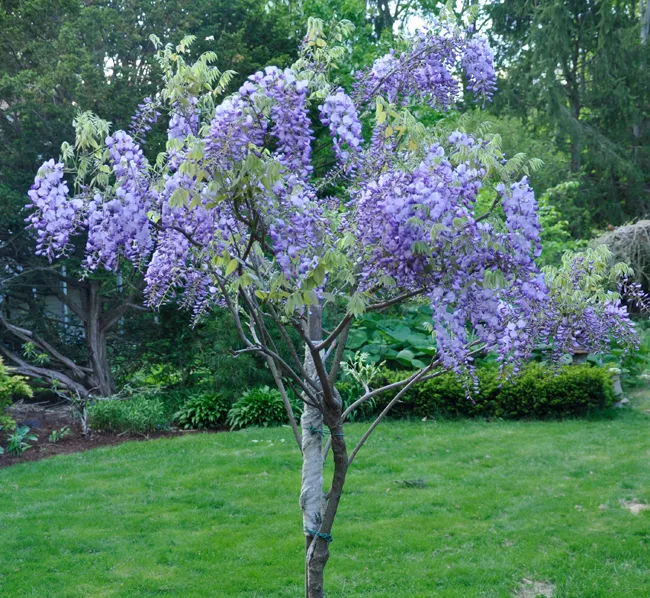
Growing wisteria can be a rewarding experience, but it requires careful planning and attention to detail. In this article, we’ll cover everything you need to know about growing wisteria, including the best varieties for container gardening.
What is Wisteria?
Wisteria is a type of flowering vine that belongs to the legume family. With its large, showy flowers and delicate leaves, it’s one of the most popular ornamental vines in the world. There are two main species of wisteria: Wisteria chinensis (Chinese wisteria) and Wisteria floribunda (Japanese wisteria).
History of Wisteria
Wisteria has a long history that dates back to ancient China, where it was highly valued for its beauty and fragrance. The plant was first introduced to Europe in the 18th century and quickly became popular among gardeners. Today, wisteria is grown in many parts of the world, including North America, Australia, and Asia.
Growing Conditions for Wisteria
Wisteria thrives in well-drained soil with a slightly acidic pH. It prefers full sun to partial shade, making it an ideal choice for south-facing walls or trellises. However, young plants require protection from harsh winds and extreme temperatures.
Choosing the Right Variety for Container Gardening
When growing wisteria in containers, it’s essential to select varieties that are compact and produce fewer trunks. The Brachybotrys group of wisterias is ideal for container gardening, as they have a more contained growth habit and produce smaller trunks.
Here are three popular varieties of wisteria for container gardening:
- Wisteria brakybotrys Shiro Kapitan Fuji: This variety produces long, white flowers with a sweet fragrance. It’s an excellent choice for beginners, as it’s easy to grow and can thrive in small containers.
- Wisteria brachybotrys Showa Beni: This Japanese wisteria has delicate pink flowers and grows up to 6 meters tall. While it requires larger containers, its compact growth habit makes it suitable for smaller spaces.
- Wisteria brachybotrys Iko Yama Fuji: This variety is a newer introduction to Italy and produces viola-colored flowers. It’s an excellent choice for those new to container gardening, as it’s easy to shape and maintain.
Tips for Growing Wisteria in Containers
When growing wisteria in containers, keep the following tips in mind:
- Choose a large enough pot: Wisteria needs room to grow, so select pots that are at least 30-40 cm deep and 60-80 cm wide.
- Use a well-draining potting mix: Avoid using regular potting soil, as it can retain too much water and cause root rot.
- Water carefully: Overwatering is the most common mistake when growing wisteria in containers. Water only when the top inch of soil feels dry to the touch.
- Provide support: Wisteria vines can grow quite long, so provide a sturdy trellis or arbor for them to climb on.
Pruning Wisteria
Pruning is essential for maintaining the shape and promoting healthy growth of your wisteria plant. Here are some pruning tips:
- Prune after blooming: Remove spent flowers to encourage new growth and promote next year’s blooms.
- Cut back trunks: After the growing season, cut back trunks by one-third to two-thirds to maintain a balanced shape.
- Thin out interior branches: Wisteria vines can become quite dense, so thin out interior branches to allow for better air circulation and light penetration.
Growing Wisteria in Hedges or Arbors
If you have the space, consider planting wisteria in a hedge or arbor. This will allow the plant to grow and bloom freely, creating a stunning display of flowers. Here are some tips for growing wisteria in hedges or arbors:
- Choose a sturdy arbor: Wisteria can grow quite large, so ensure your arbor is sturdy enough to support its weight.
- Plant multiple trunks: For optimal growth, plant at least two trunks together to provide structural support.
- Prune regularly: Regular pruning will help maintain the shape and promote healthy growth of your wisteria hedge or arbor.
Common Problems with Wisteria
While wisteria is generally a low-maintenance plant, it can be susceptible to certain problems. Here are some common issues to watch out for:
- Root rot: This occurs when the roots become waterlogged and start to decay.
- Pests: Aphids, scale insects, and spider mites can infest wisteria plants.
- Diseases: Powdery mildew and leaf spot are common diseases that can affect wisteria plants.
Propagation of Wisteria
Wisteria can be propagated through cuttings, layering, or division. Here’s a step-by-step guide on how to propagate wisteria:
- Take 6-8 inch stem cuttings: Choose healthy stems with at least two sets of leaves.
- Remove lower leaves: Leave only the top two sets of leaves on the cutting.
- Dip in rooting hormone: Apply a rooting hormone to the cut end of the stem.
- Plant in well-draining mix: Plant the cutting in a well-draining potting mix, burying it up to the node (where the leaf meets the stem).
- Water thoroughly: Water the soil gently but thoroughly.
Conclusion
Growing wisteria requires patience, attention to detail, and proper care. By choosing the right variety for container gardening and following these tips, you can enjoy this beautiful flowering vine in your own home or garden.
FAQs
- Q: How often should I water my wisteria plant?
A: Water your wisteria plant when the top inch of soil feels dry to the touch. Avoid overwatering, as this can lead to root rot. - Q: Can I grow wisteria in a small pot?
A: While it’s possible to grow wisteria in small pots, it may require more frequent watering and fertilization. Choose a compact variety like Wisteria brakybotrys Shiro Kapitan Fuji for better results. - Q: How do I prune my wisteria plant?
A: Prune your wisteria plant after blooming to encourage new growth. Cut back trunks by one-third to two-thirds after the growing season to maintain a balanced shape. - Q: Can I grow wisteria in a hedge or arbor?
A: Yes, you can grow wisteria in a hedge or arbor. Choose a sturdy arbor and plant multiple trunks together for optimal growth. - Q: How long does it take for wisteria to bloom?
A: Wisteria typically takes 3-5 years to reach its full blooming potential after planting. With proper care, you can enjoy stunning displays of flowers for many years to come.
We hope this comprehensive guide has helped you learn everything you need to know about growing wisteria. Happy gardening!


