
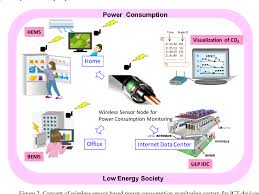
As a tech enthusiast, I’m always excited to explore the latest innovations that can make our lives easier and more sustainable. One such technology that’s been gaining traction is wireless sensors. In this article, we’ll delve into the world of wireless sensors and explore how they’re revolutionizing the way we think about energy efficiency.
What are Wireless Sensors?
Wireless sensors are small devices that can detect and measure various parameters in their environment, such as temperature, humidity, motion, and more. They communicate with each other and with other devices using radio waves or other forms of wireless communication. This allows them to collect data and transmit it to a central hub or cloud, where it can be analyzed and used to optimize energy consumption.
The Benefits of Wireless Sensors
So, what makes wireless sensors so special? Let’s take a look at some of the benefits they offer:
- Energy Efficiency: Wireless sensors can help reduce energy consumption by detecting when devices are in use and optimizing their performance. For example, if you’re reading this article on your laptop, it’s likely that the sensor detects the screen is on and adjusts the power consumption accordingly.
- Smart Home Automation: Wireless sensors can be used to control lighting, temperature, and other appliances in your home, making it easier to create a comfortable and energy-efficient living space.
- Increased Productivity: By automating tasks and optimizing energy consumption, wireless sensors can help you save time and increase productivity.
- Remote Monitoring: Wireless sensors allow for remote monitoring of devices and systems, enabling users to receive notifications and take action in real-time.
- Reduced Maintenance Costs: Wireless sensors can detect potential issues before they become major problems, reducing the need for costly repairs and maintenance.
Real-World Applications
Wireless sensors are being used in all sorts of applications, from smart homes to industrial settings. Here are a few examples:
- Smart Thermostats: Devices like Nest and Ecobee use wireless sensors to detect temperature changes in your home and adjust the thermostat accordingly.
- Smart Lighting: Systems like Philips Hue use wireless sensors to detect when you’re not in a room and turn off the lights, reducing energy consumption.
- Industrial Automation: Wireless sensors are being used to optimize energy consumption in industrial settings by monitoring equipment performance and detecting potential issues.
- Environmental Monitoring: Wireless sensors are being used to monitor air quality, water quality, and other environmental factors, enabling users to take action to protect their surroundings.
How Do Wireless Sensors Work?
Wireless sensors work by using a combination of sensors and wireless communication protocols. Here’s a breakdown of how they typically work:
- Sensors: The sensor detects changes in the environment, such as temperature or motion.
- Data Transmission: The sensor transmits data to a central hub or cloud using radio waves or other forms of wireless communication.
- Analysis: The central hub or cloud analyzes the data and sends it back to the device or user.
Types of Wireless Sensors
There are many different types of wireless sensors available, each with its own unique characteristics and applications. Some common types of wireless sensors include:
- Motion Sensors: These sensors detect movement in a given area and can be used to control lighting, security systems, and other devices.
- Temperature Sensors: These sensors measure temperature changes in the environment and can be used to optimize heating and cooling systems.
- Humidity Sensors: These sensors measure humidity levels in the air and can be used to monitor moisture levels in buildings and other structures.
- Light Sensors: These sensors detect light levels in a given area and can be used to control lighting systems.
The Future of Wireless Sensors
As technology continues to evolve, we can expect to see even more innovative applications for wireless sensors. Some potential areas of development include:
- Internet of Things (IoT): Wireless sensors will play a critical role in enabling IoT devices to communicate with each other and with humans.
- Energy Harvesting: Wireless sensors could be used to harvest energy from the environment, reducing the need for traditional power sources.
- Artificial Intelligence: Wireless sensors can be integrated with artificial intelligence systems to enable predictive maintenance, remote monitoring, and other advanced applications.
Conclusion
Wireless sensors have the potential to revolutionize the way we think about energy efficiency. By detecting changes in our environment and optimizing energy consumption, they can help reduce waste and save resources. As technology continues to evolve, we can expect to see even more innovative applications for wireless sensors.
FAQs
- What are some common types of wireless sensors?
- Motion sensors
- Temperature sensors
- Humidity sensors
- Light sensors
- How do wireless sensors communicate with each other?
- Radio waves
- Bluetooth
- Wi-Fi
- Can wireless sensors be used in industrial settings?
- Yes, wireless sensors are being used to optimize energy consumption and improve productivity in industrial settings.
- What is the future of wireless sensors?
- The future of wireless sensors includes continued innovation and development, with potential applications in IoT, energy harvesting, and more.
Real-World Examples
Here are a few real-world examples of how wireless sensors are being used to optimize energy efficiency:
- A Smart Home: A homeowner installs wireless sensors to control lighting, temperature, and security systems. The sensors detect changes in the environment and adjust the systems accordingly, reducing energy consumption and increasing comfort.
- An Industrial Setting: An industrial company installs wireless sensors to monitor equipment performance and detect potential issues. The sensors enable remote monitoring and predictive maintenance, reducing downtime and improving productivity.
Industry Applications
Wireless sensors are being used in all sorts of industries, from healthcare to manufacturing. Here are a few examples:
- Healthcare: Wireless sensors can be used to monitor patient health, track medical equipment performance, and optimize medication delivery.
- Manufacturing: Wireless sensors can be used to monitor production line efficiency, detect potential issues, and improve product quality.
Conclusion
Wireless sensors have the potential to revolutionize the way we think about energy efficiency. By detecting changes in our environment and optimizing energy consumption, they can help reduce waste and save resources. As technology continues to evolve, we can expect to see even more innovative applications for wireless sensors.


