
Are you considering bringing a Fox Terrier into your family? With two distinct variations – smooth and rough – it’s essential to understand their unique characteristics, needs, and prices. In this article, we’ll delve into the history, appearance, temperament, care, and health of both breeds, helping you make an informed decision.
Origins of the Fox Terrier
Fox Terriers have their roots in England, where they were bred to work on the ground and assist hunters in tracking and catching foxes. Their history dates back to ancient times, with references to Fox Terriers mentioned by Pliny the Elder. However, it wasn’t until the 19th century that the modern Fox Terrier was developed.
The breed’s origins are closely tied to the working class, who needed a reliable and intelligent companion for hunting and pest control. The Fox Terrier’s versatility and athleticism made them an ideal choice for this purpose.
Appearance of the Fox Terrier
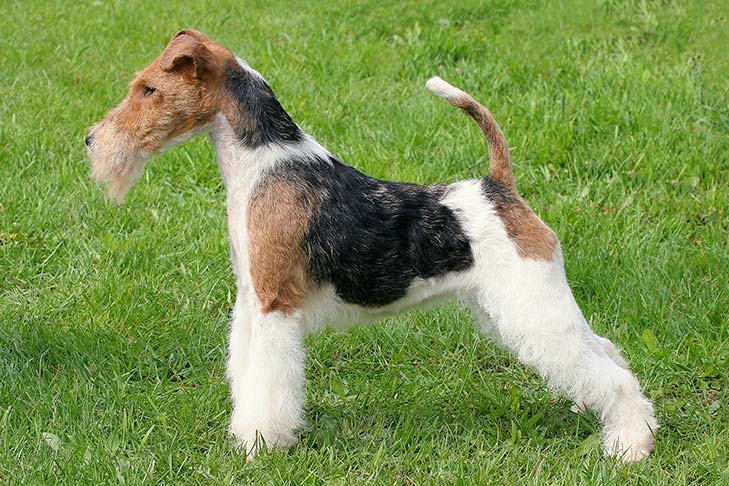
Fox Terriers are a compact breed with a height of around 40 cm (16 inches) and a weight range of 8 kg to 10 kg (18 lbs to 22 lbs). Their robust build, strong jaw, erect triangular ears, and dark piercing eyes give them a distinctive appearance. The coat is either smooth or rough, depending on the breed.
Fox Terrier Smooth
The smooth Fox Terrier boasts a short, glossy coat that accentuates its muscular build. One of the key characteristics of this breed is their uniform coat, which must be shed-free to avoid hair around the house. These dogs are generally less prone to shedding than their rough-coated counterparts, making them an excellent choice for families with allergies.
Fox Terrier Rough
The rough Fox Terrier has a wiry, spiky coat that requires regular grooming. The breed’s name is a reference to its unique coat type, and if not properly groomed, it can shed heavily, leading to a messy appearance. However, the rough-coated Fox Terrier’s coloration – typically black and tan markings – gives them an energetic and dynamic look.
Characteristics of the Fox Terrier
Fox Terriers are intelligent, brave, and active dogs that excel at hunting. They require early socialization with other animals to avoid aggression and must be encouraged to work with their owners from a young age. With proper training and care, they make excellent family pets, particularly for families with children.
Their high energy levels and strong prey drive make them suitable for active families who can provide regular exercise and mental stimulation.
Care and Exercise for the Fox Terrier
Fox Terriers require regular grooming, especially if you have a rough-coated dog. Their wiry coats need to be brushed regularly to prevent matting and tangling. In addition to grooming, they also need plenty of exercise, ideally 2-3 times a day, to maintain their athletic build.
As a small breed, Fox Terriers can be prone to obesity if not properly exercised, so it’s essential to ensure they get enough physical activity. A daily walk, playtime in the park, and some mental stimulation with puzzle toys will keep them happy and healthy.
Vaccinations and Diet for the Fox Terrier
Fox Terriers require regular vaccinations to protect them from diseases and infections. Their diet should be balanced and nutritious, meeting their energetic needs. They are naturally inclined to eat high-quality food, but may also enjoy homemade meals or special treats.
It’s essential to consult with a veterinarian to determine the best vaccination schedule for your Fox Terrier. Additionally, a balanced diet that includes plenty of fruits, vegetables, and whole grains will ensure they stay healthy and thrive.
Life Expectancy of the Fox Terrier
Both smooth and rough-coated Fox Terriers have a lifespan of around 12-16 years, depending on genetics, health, and exercise levels. With proper care and attention, your Fox Terrier can live a long and happy life.
Price of the Fox Terrier
Prices for Fox Terriers can vary from £800 to £1,300 (approximately €900-€1,500 USD), depending on factors such as pedigree, health, and coat type. While these prices may seem steep, remember that owning a Fox Terrier is a long-term commitment, and their unique characteristics make them well worth the investment.
Conclusion
Fox Terriers are intelligent, energetic, and loyal companions that excel at hunting and family life. By understanding their history, appearance, temperament, care needs, and health requirements, you can make an informed decision about bringing one of these incredible breeds into your family. With proper training, socialization, and attention to their unique needs, your Fox Terrier will be a beloved member of your family for years to come.
Frequently Asked Questions
- What is the difference between the smooth and rough-coated Fox Terrier?
The main difference between the two breeds lies in their coat type: smooth coats are short and glossy, while rough coats are wiry and spiky. - Are Fox Terriers good with children?
Fox Terriers make excellent family pets, particularly for families with children. However, they require early socialization to ensure they’re gentle and patient around kids. - Do Fox Terriers need a lot of exercise?
Yes, Fox Terriers are active dogs that require regular exercise to maintain their athletic build. Aim for 2-3 short walks or playtime sessions per day. - Can I feed my Fox Terrier table scraps?
No, it’s not recommended to feed your Fox Terrier table scraps, as they may not provide the balanced nutrients they need to thrive. Stick to a high-quality dog food and consider adding homemade treats or puzzle toys for mental stimulation. - How often do I need to groom my Fox Terrier?
Fox Terriers require regular grooming, especially if you have a rough-coated dog. Brush their coat 2-3 times a week, and consider professional grooming every 6-8 weeks. - Can I leave my Fox Terrier alone for long periods?
No, Fox Terriers are social animals that thrive on attention and interaction. Aim to spend at least an hour with your Fox Terrier per day, engaging in playtime or training activities. - What health issues can affect Fox Terriers?
Fox Terriers are generally a healthy breed, but they may be prone to certain health issues, such as patellar luxation, eye problems, and allergies. Regular veterinary check-ups will help identify any potential issues early on. - Can I train my Fox Terrier at home?
Yes, you can train your Fox Terrier at home with positive reinforcement techniques and consistency. However, it’s essential to socialize them extensively to ensure they’re well-behaved in public.
Additional Information
- The Fox Terrier is a member of the Toy Group and is recognized by kennel clubs such as the American Kennel Club (AKC) and the United Kennel Club (UKC).
- Fox Terriers are known for their friendly, outgoing personalities, making them excellent family pets.
- They are highly intelligent dogs that require mental stimulation to prevent boredom and destructive behavior.
- Fox Terriers have a strong prey drive, which means they may not be suitable for homes with small animals such as rabbits or guinea pigs.
Conclusion
Fox Terriers are loyal, energetic, and intelligent companions that make excellent family pets. By understanding their unique characteristics, needs, and health requirements, you can provide them with the care and attention they deserve. With proper training, socialization, and exercise, your Fox Terrier will be a beloved member of your family for years to come.
Recommendations
- Consider adopting an adult Fox Terrier from a rescue organization or shelter.
- Research reputable breeders who prioritize health testing and temperament evaluation.
- Invest in high-quality dog food and treats that meet the nutritional needs of your Fox Terrier.
- Provide regular grooming sessions to prevent matting and tangling of their coat.
By following these recommendations and understanding the unique characteristics of the Fox Terrier, you can make an informed decision about bringing one of these incredible breeds into your family.


