
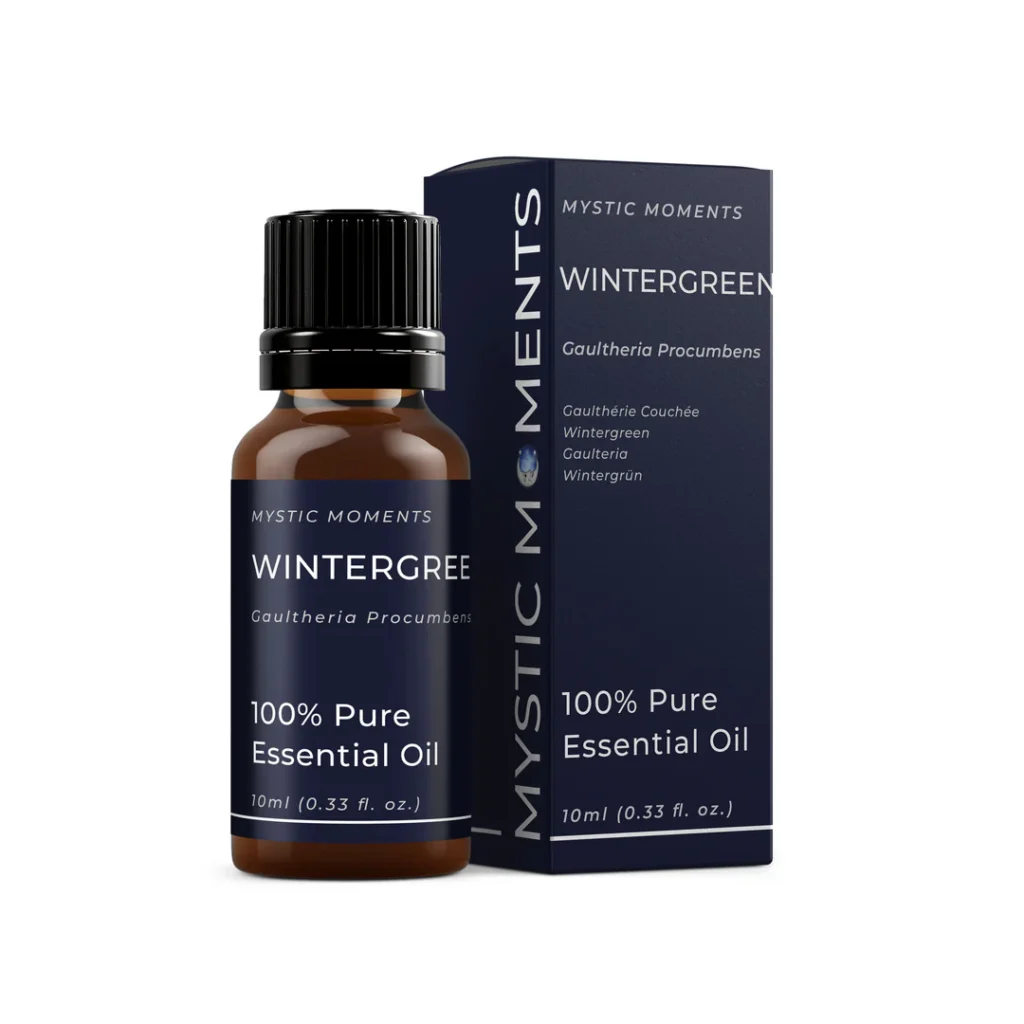
In the realm of natural remedies, few oils have garnered as much attention as wintergreen oil. Derived from the Gaultheria procumbens plant, also known as Wintergreen American, this oil has been used for centuries to alleviate various health issues. In this article, we will delve into the properties and uses of wintergreen oil, exploring its medicinal benefits, potential applications, and how it can be integrated into your daily life.
What is Wintergreen Oil?
Wintergreen oil is extracted from the leaves of the Gaultheria procumbens plant, native to North America. This species belongs to the Ericaceae family, which also includes other plants like rhododendrons and azaleas. The oil’s unique properties make it an attractive natural remedy for various health concerns.
Properties and Uses of Gaultheria Procumbens
The Gaultheria procumbens plant is a low-growing shrub that thrives in acidic environments. It produces small, edible berries that are rich in antioxidants and have a sweet flavor. The leaves of this plant contain a high concentration of methyl salicylate, which is responsible for its medicinal properties.
Gaultheria procumbens has been used by Native American tribes for centuries as a natural remedy. Its leaves and berries can be consumed to alleviate digestive issues, and the oil extracted from them has anti-inflammatory and pain-relieving properties.
Properties of Wintergreen Oil
Wintergreen oil is renowned for its analgesic and anti-inflammatory properties. The methyl salicylate present in the oil induces numbness and reduces pain, making it an effective remedy for muscle soreness, arthritis, and other inflammatory conditions.
The oil can be used topically to relieve tension and stress. Massaging a few drops into the skin can help reduce muscle spasms and promote relaxation.
Wintergreen oil also has antispasmodic properties, which make it useful in treating menstrual cramps, digestive issues, and anxiety.
Using Wintergreen Oil: A Guide
To use wintergreen oil effectively, you can add a few drops to a diffuser or inhale it directly. This will help alleviate respiratory issues like congestion and coughing.
For muscle relief, dilute the oil with a carrier oil (like coconut or olive oil) and apply it topically to the affected area.
Benefits of Wintergreen Oil
Wintergreen oil offers numerous benefits, including:
- Pain relief: The methyl salicylate in wintergreen oil induces numbness and reduces pain.
- Anti-inflammatory properties: The oil helps reduce inflammation and alleviate conditions like arthritis.
- Antispasmodic effects: Wintergreen oil can help relax muscles and relieve menstrual cramps.
- Digestive benefits: The oil’s antispasmodic properties may also aid in digestion and alleviate digestive issues.
Comparison of Oils
To put wintergreen oil into perspective, here are some key similarities and differences with other essential oils:
| Oil | Properties |
|---|---|
| Wintergreen | Analgesic, anti-inflammatory, antispasmodic |
| Eucalyptus | Decongestant, anti-inflammatory |
| Peppermint | Digestive aid, antibacterial |
| Lavender | Relaxing, calming |
Potential Applications of Wintergreen Oil
Wintergreen oil has a wide range of potential applications, including:
- Muscle and joint relief: The analgesic properties of wintergreen oil make it an effective remedy for muscle soreness and joint pain.
- Pain management: The oil’s anti-inflammatory properties can help alleviate chronic pain conditions like arthritis.
- Anxiety and stress relief: The antispasmodic properties of wintergreen oil can help promote relaxation and reduce anxiety.
Safety Precautions
While wintergreen oil is generally considered safe, it’s essential to follow some safety precautions:
- Consult with a healthcare professional before using wintergreen oil, especially if you have underlying health conditions or are taking medications.
- Use high-quality wintergreen oil that is extracted from organic plants and free of additives or chemicals.
- Dilute the oil with a carrier oil before applying it to the skin, as undiluted oil can cause irritation.
Conclusion
Wintergreen oil is a natural remedy with a rich history and numerous health benefits. Its analgesic and anti-inflammatory properties make it an effective treatment for various conditions, from muscle soreness to digestive issues. By incorporating wintergreen oil into your daily routine, you can experience the power of this remarkable plant-based medicine.
Frequently Asked Questions
- Is Wintergreen Oil Safe to Use?
Wintergreen oil is generally considered safe when used in moderation. However, it may interact with certain medications or exacerbate underlying health conditions. - Can I Take Wintergreen Oil Internally?
While wintergreen oil can be consumed internally, it’s recommended to dilute it with a carrier oil first. This will help prevent stomach upset and ensure the oil is properly absorbed by the body. - How Do I Choose the Best Quality Wintergreen Oil?
Look for high-quality wintergreen oil that is extracted from organic plants and free of additives or chemicals. - Can I Use Wintergreen Oil on Children?
Wintergreen oil should not be used on children without consulting a healthcare professional first. The recommended age range for using wintergreen oil is 6 years old and above. - Is Wintergreen Oil Effective in Treating Anxiety?
While wintergreen oil has anxiolytic properties, it’s essential to consult with a healthcare professional before using it as a treatment for anxiety.
By understanding the properties and uses of wintergreen oil, you can unlock its full potential and enjoy the benefits of this remarkable plant-based medicine.


