
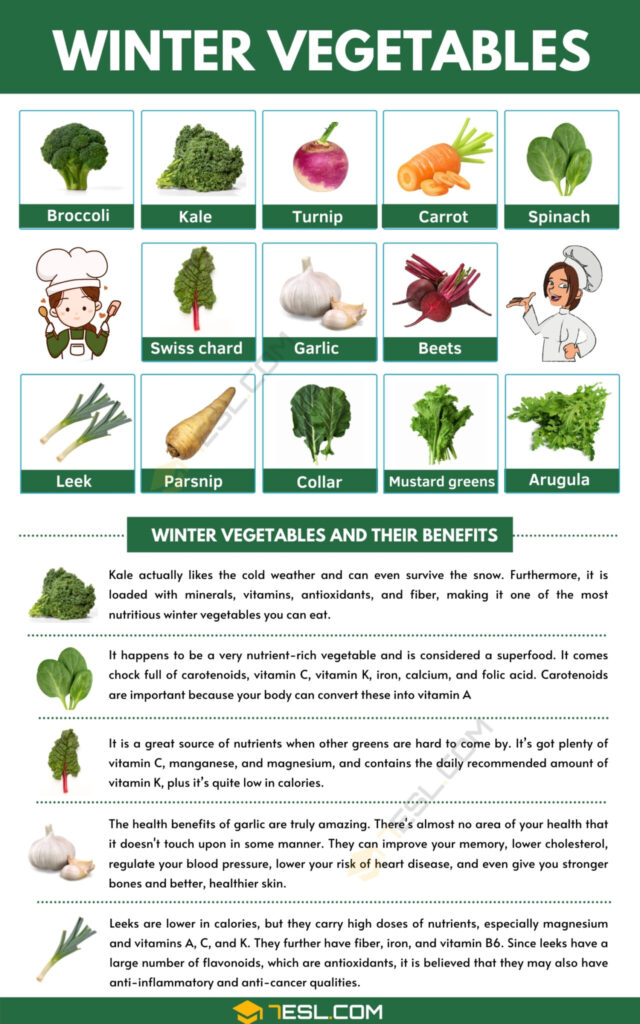
As we welcome the new year, it’s essential to remember that even in the midst of winter, our gardens continue to thrive. The cold temperatures and limited sunlight may seem daunting, but there are still many vegetables that can be grown during this season. In this article, we’ll explore the world of winter vegetables, including their types, cultivation, and recipes.
Climate and Winter Vegetables
When it comes to growing vegetables in winter, climate plays a significant role. The temperatures in different regions vary greatly, affecting the types of crops that can be grown. For example, in the northern parts of Italy, such as the Po Valley and the Alps, winters are harsher, with frequent frosts and limited daylight. In contrast, the southern regions, like Sicily and Calabria, have a milder climate, allowing for a wider variety of winter vegetables to be cultivated.
Types of Winter Vegetables
There are three main categories of winter vegetables:
- Root vegetables: These can be planted in autumn and harvested during winter or early spring. Examples include carrots, turnips, and parsnips.
- Brassicas: These vegetables can be planted in late summer or early fall and tolerate frost. They include broccoli, cauliflower, kale, and cabbage.
- Perennial vegetables: These grow year-round and can withstand cold temperatures. Examples include rhubarb, asparagus, and artichokes.
Winter Vegetable Guide
Here’s a comprehensive list of winter vegetables that can be grown or purchased:
- Radish
- Cabbage
- Kale
- Spinach
- Broccoli
- Cauliflower
- Carrots
- Turnips
- Parsnips
- Rutabaga
- Brussels sprouts
- Celery root
- Leeks
- Garlic
- Onions
- Shallots
- Potatoes
- Sweet potatoes
- Winter squash (e.g., acorn, butternut)
- Winter melons (e.g., cantaloupe, honeydew)
Growing Winter Vegetables
While some winter vegetables can be grown from seed, others are better suited for sprouting or storing. For example:
- Finocchi and Porri: These two vegetables should be planted in the summer to mature by late autumn.
- Zucchini: This popular summer squash can be harvested throughout the year, but its production slows down during winter.
- Cauliflower: This cruciferous vegetable prefers cooler temperatures and can be grown year-round.
Conserving Winter Vegetables
To make the most of your winter harvest, consider preserving some of these vegetables through:
- Freezing: Blanching or freezing vegetables like broccoli, cauliflower, and carrots to preserve their nutritional value.
- Canning: Preserving vegetables like beans, peas, and squash through canning.
- Dehydrating: Drying vegetables like kale, spinach, and potatoes to make healthy snacks.
Winter Vegetable Recipes
While many winter vegetables are delicious on their own, they can also be incorporated into a variety of dishes. Here are two simple recipes to get you started:
- Zuppa di Ceci e Farro: A hearty bean and farro soup perfect for warming up on a cold winter’s day.
- Zuppa del Contadino: A rich and flavorful vegetable minestrone, packed with vitamins and nutrients.
Frequently Asked Questions (FAQs)
Q: What are the best vegetables to grow during winter?
A: Root vegetables like carrots and parsnips, brassicas like broccoli and cauliflower, and perennials like rhubarb and artichokes can be grown or purchased during winter.
Q: Can I grow finocchi and porri in the winter?
A: No, these two vegetables should be planted in the summer to mature by late autumn.
Q: How do I preserve winter vegetables?
A: You can freeze, can, or dehydrate winter vegetables to make them last longer.
Q: What are some popular winter vegetable recipes?
A: Two simple and delicious options include zuppa di ceci e farro (bean and farro soup) and zuppa del contadino (vegetable minestrone).
Additional Winter Vegetable Tips
- Make the most of your soil: While winter vegetables can tolerate cold temperatures, they still require good drainage and aeration to grow well. Add organic matter like compost or manure to improve soil health.
- Choose varieties that are resistant to frost: Some winter vegetable varieties are bred specifically for their tolerance to frost, such as ‘Early White’ broccoli or ‘Purple Top’ kale.
- Use cold frames or hoop houses: These structures can provide protection from extreme weather conditions and extend the growing season for winter vegetables.
Common Winter Vegetable Problems
Some common problems that can affect winter vegetables include:
- Pests like aphids and slugs: Use organic pest control methods to protect your winter vegetable crops.
- Diseases like powdery mildew and downy mildew: Practice good hygiene, such as removing infected plants and disinfecting tools, to prevent the spread of disease.
Winter Vegetable Harvest
The best time to harvest winter vegetables depends on the specific variety and growing conditions. Here are some general guidelines:
- Carrots: Late summer or early fall.
- Brussels sprouts: Early winter.
- Cabbage and kale: Late winter or early spring.
By embracing the diversity of winter vegetables, we can not only enjoy a wider variety of flavors but also make the most of this season’s bounty. Whether you’re a seasoned gardener or just starting out, there are many options to explore in the world of winter vegetables.


