
As the winter months approach, it’s easy to assume that our gardens are dormant. However, this couldn’t be further from the truth. In reality, winter is a crucial time for preparing our soil for the upcoming growing season. One of the most effective ways to do this is through mulching, also known as pacciamatura in Italian. In this article, we’ll explore what mulching is, why it’s necessary, and how to get it right.
What is Winter Mulching?
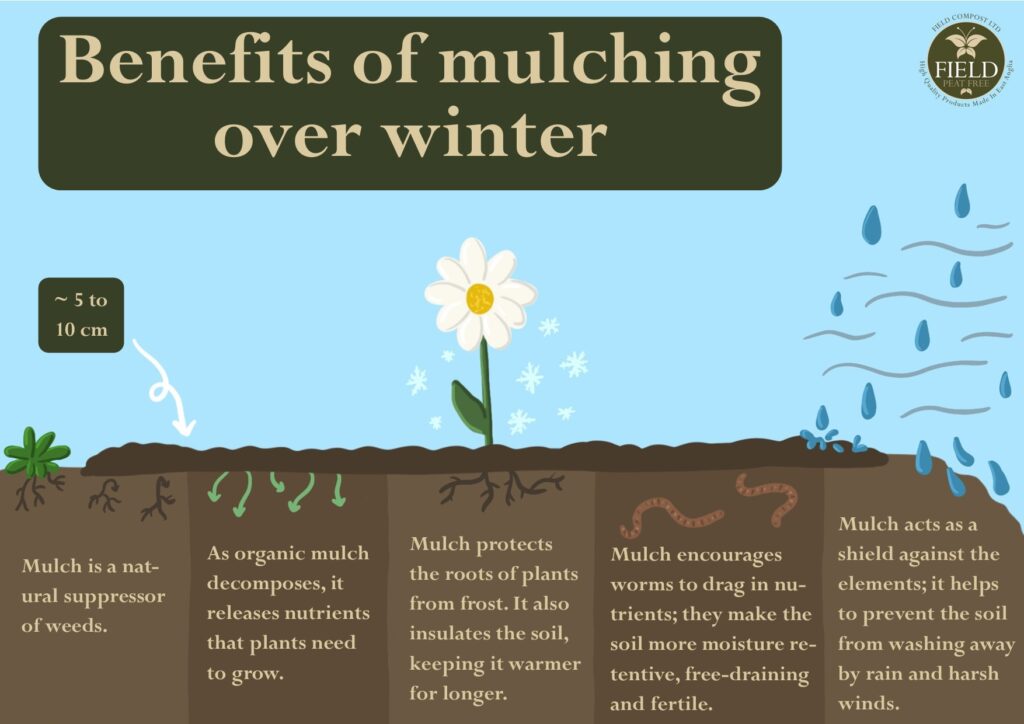
Mulching involves covering our soil with a layer of organic material, such as leaves, straw, or wood chips, to protect the soil from extreme temperatures and retain moisture. This process helps to regulate soil temperature, suppress weeds, and create a nutrient-rich environment for microorganisms to thrive.
Why is Winter Mulching Necessary?
Winter mulching serves several purposes:
- Soil Insulation: It provides insulation, keeping the soil warm during cold winter months. This helps to prevent frost damage and reduces the risk of soil freezing.
- Soil Protection: It prevents soil erosion by holding the soil in place. This is especially important for slopes and areas with heavy rainfall or snowfall.
- Weed Suppression: Mulching suppresses weeds by blocking light and preventing seed germination. This helps to maintain a healthy and weed-free environment.
- Microbial Activity: It creates a nutrient-rich environment for microorganisms to thrive. As the mulch breaks down, it releases nutrients into the soil, providing a natural fertilizer.
How to Mulch Your Garden
To get the most out of mulching, follow these steps:
- Choose the Right Material: Select organic materials that are rich in nutrients and will decompose quickly, such as leaves, straw, or wood chips.
- Apply a Thin Layer: Apply a thin layer of mulch, about 2-3 inches deep, to avoid suffocating your plants.
- Keep it Fresh: Replenish the mulch as needed to maintain its effectiveness.
Common Mistakes to Avoid
While winter mulching is a simple process, there are some common mistakes to watch out for:
- Over-mulching: Applying too much mulch can lead to soil compaction and reduced drainage.
- Poor Material Choice: Selecting the wrong materials can result in poor decomposition and limited nutrient availability.
- Inadequate Replenishment: Failing to replenish the mulch regularly can lead to reduced effectiveness.
Tips for Specific Situations
Here are some additional tips for specific situations:
- Cold Climates: In areas with extreme cold, consider using a breathable mulch like straw or pine straw to prevent soil compaction.
- Hot Climates: In hot and dry climates, use a light layer of organic mulch to retain moisture without suffocating plants.
- Poor Soil Conditions: If your soil is heavy clay or sandy, add a mix of compost and organic matter to improve its structure.
Organic Mulching Options
Here are some common organic mulching options:
- Leaves: Leaves are an excellent source of carbon and nitrogen for the soil.
- Straw: Straw is lightweight and allows for good air circulation, making it ideal for warm climates.
- Wood Chips: Wood chips provide a slow release of nutrients and help to retain moisture in the soil.
Inorganic Mulching Options
Here are some common inorganic mulching options:
- Plastic Mulch: Plastic mulch can be more expensive, but it provides long-term protection against weeds and erosion.
- Gravel: Gravel is a popular choice for mulching because it allows for good drainage and weed suppression.
Mulching for Specific Plants
Here are some specific plants that benefit from mulching:
- Vegetables: Mulch around vegetables to retain moisture, suppress weeds, and regulate soil temperature.
- Fruit Trees: Mulch around fruit trees to retain moisture, suppress weeds, and create a nutrient-rich environment for microorganisms to thrive.
- Flowers: Mulch around flowers to retain moisture, suppress weeds, and create a beautiful landscape.
Mulching for Specific Soil Conditions
Here are some specific soil conditions that benefit from mulching:
- Heavy Clay Soils: Mulch can help to improve drainage in heavy clay soils by adding organic matter.
- Sandy Soils: Mulch can help to retain moisture and suppress weeds in sandy soils.
By following these tips and avoiding common mistakes, you can create a thriving winter mulched garden that’s ready for the upcoming growing season. Remember to choose the right material, apply a thin layer, and replenish the mulch as needed to maintain its effectiveness. Happy gardening!


