
Introduction
As the cold weather sets in, many of us are tempted to give up on our gardening dreams. However, with the right guidance and planning, you can still create a beautiful and thriving winter garden. In this article, we’ll explore the best plants and flowers that thrive in the cold season and provide tips on how to care for them.
Winter Garden Ideas
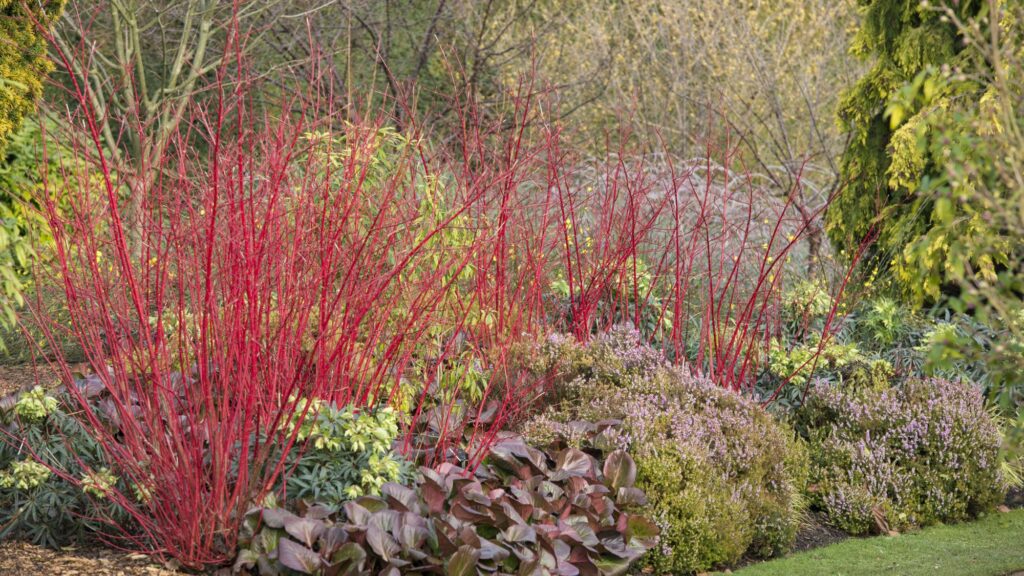
A winter garden is not just about surviving the harsh weather; it’s also an opportunity to showcase your creativity and add some color to your life during the colder months. Consider incorporating a mix of evergreen shrubs, perennials, and annuals that can withstand the cold temperatures.
For a more structured approach, you can divide your winter garden into different sections or themes, such as:
- Winter borders: Create a visually appealing border using evergreen shrubs, holly, or other low-maintenance plants.
- Winter containers: Add some color and interest to your outdoor spaces with potted plants like cyclamen, pansies, or snapdragons.
- Winter paths: Use mulch, gravel, or snow-covered pathways to create a beautiful and functional winter garden.
Cold-Weather Plants
There are several plants that excel in winter gardens due to their hardiness and ability to tolerate frost. Some popular options include:
- Roses: While roses are often associated with warm weather, some varieties, such as the Rosa of the Alps, thrive in cold climates.
- Violas: These delicate flowers come in a range of colors and can tolerate light frosts, making them perfect for winter gardens.
- Heathers: Low-maintenance and evergreen, heathers are ideal for adding texture and color to your winter garden.
Other plants that can tolerate cold temperatures include:
- Boxwood: A versatile and low-maintenance shrub that can be used in a variety of landscapes.
- Yew: An evergreen shrub with glossy leaves that can add depth and interest to your winter garden.
- Amaryllis: A bulbous perennial that produces large, showy flowers in the winter months.
Ornamental Vegetables
In addition to plants, you can also incorporate ornamental vegetables into your winter garden. These not only add visual interest but also provide a source of fresh produce during the colder months. Some popular options include:
- Lettuce: A hardy and versatile crop that can be harvested in as little as six weeks.
- Cabbage: A cool-season crop that tolerates frost and can be used in a variety of dishes.
- Brassicas: A family of vegetables that includes broccoli, cauliflower, and kale, all of which thrive in cold weather.
Garden Structures
If you’re looking to create a more defined winter garden, consider incorporating garden structures such as:
- Cold frames: These transparent or glass structures can be used to extend the growing season and protect plants from harsh winds.
- Greenhouses: While more expensive, greenhouses provide an ideal environment for growing warm-weather crops during the winter months.
Other options include:
- Hothouses: A type of greenhouse that uses a transparent roof to allow sunlight to filter in.
- Cold frames with vents: These structures provide protection from harsh winds and extreme weather conditions while allowing for airflow and ventilation.
Winter Garden Tips
To ensure your winter garden thrives, keep the following tips in mind:
- Choose plants that are resistant to frost and cold temperatures: Select plants that can tolerate light frosts and snow-covered soil.
- Provide adequate protection from harsh winds: Use windbreaks such as burlap or snow fencing to protect your plants from extreme weather conditions.
- Mulch and compost can help retain heat and moisture in the soil: Add a layer of mulch or compost to your garden beds to keep the soil warm and moist.
Winter Garden Design
When designing your winter garden, consider the following elements:
- Color scheme: Incorporate a range of colors to add visual interest and depth to your garden.
- Texture: Mix in different textures, such as smooth leaves or soft petals, to create a visually appealing contrast.
- Form: Consider incorporating sculptural elements, such as topiaries or statues, to add interest and drama.
Other design considerations include:
- Lighting: Use solar-powered lights or string lights to add ambiance and highlight specific features in your winter garden.
- Furniture: Add outdoor furniture, such as benches or planters, to create a cozy and inviting space.
- Artwork: Incorporate seasonal artwork, such as snowflakes or pinecones, to add visual interest and personality to your winter garden.
Conclusion
Creating a winter garden is not just about surviving the cold weather; it’s also an opportunity to showcase your creativity and add some color to your life during the colder months. By choosing the right plants, providing adequate protection, and incorporating garden structures, you can create a beautiful and thriving winter garden that brings joy and beauty to your life.
FAQs
- What are some popular plants for winter gardens?
- Roses, violas, heathers, lettuce, cabbage, brassicas.
- How can I protect my plants from harsh winds?
- Use cold frames, greenhouses, or windbreaks such as burlap or snow fencing.
- What are some benefits of incorporating ornamental vegetables into my winter garden?
- Fresh produce, added visual interest, and a source of nutrients.
- How can I create a visually appealing color scheme for my winter garden?
- Mix in a range of colors, including pastels, bold hues, and neutral tones.
- What are some tips for designing a beautiful winter garden?
- Consider incorporating sculptural elements, texture, and form to add interest and depth.
Additional Resources
- Twitter: [insert Twitter handle]
- Facebook: [insert Facebook page URL]
- Google+: [insert Google+ page URL]
- Pinterest: [insert Pinterest profile URL]


