
As the summer season comes to a close, many gardeners are left wondering how to enjoy a continuous display of color in their gardens throughout the year. One effective solution is to plant winter-flowering bulbs, which will bloom when others are dormant.
What Are Winter-Flowering Bulbs?
Winter-flowering bulbs, also known as overwintering summer-blooming bulbs, are those that are planted in the fall and will bloom in late winter or early spring. These bulbs are typically planted 6-8 weeks before the first frost date in your area.
Why Plant Winter-Flowering Bulbs?
Planting winter-flowering bulbs is an excellent way to add color and interest to your garden during the cold winter months when other plants are dormant. It’s also a great way to ensure that you’ll have a continuous display of blooms, even in areas with harsh winters.
Choosing the Right Winter-Flowering Bulbs
Not all summer-blooming bulbs can be overwintered. To determine which bulbs will thrive in your area, choose varieties that are specifically bred for winter hardiness and cold tolerance. Some popular winter-flowering bulb species include:
- Snowdrops (Galanthus): These tiny bulbs produce delicate white blooms in late winter.
- Winter Aconite (Eranthis): This bulb produces bright yellow flowers in late winter, often before the snow melts.
- Crocuses (Crocus): These small bulbs produce vibrant purple, yellow, or white flowers in early spring.
Preparing Your Garden for Winter-Flowering Bulbs
Before planting your winter-flowering bulbs, make sure to prepare your garden soil. Add a layer of compost or well-rotted manure to improve soil fertility and drainage.
When planting winter-flowering bulbs, follow these general guidelines:
- Depth: Plant the bulb at a depth that is 1.5 to 2 times its height.
- Spacing: Space the bulbs about 3-6 inches apart, depending on their size.
- Soil: Plant the bulb in well-draining soil with a slightly acidic pH.
Tips for Overwintering Summer-Blooming Bulbs
While winter-flowering bulbs are designed to thrive in cold conditions, not all summer-blooming bulbs can be overwintered. However, by following these tips, you can extend the blooming season of your summer flowers:
- Dig and Store: Dig up your summer-blooming bulbs after they finish blooming and store them in a cool, dry place until spring.
- Mulch: Mulch around the base of your summer-blooming bulbs to protect them from extreme cold temperatures.
Common Winter-Flowering Bulbs
Some popular winter-flowering bulb species include:
- Amaryllis Belladonna: This large, showy flower produces a mass of white blooms in late winter.
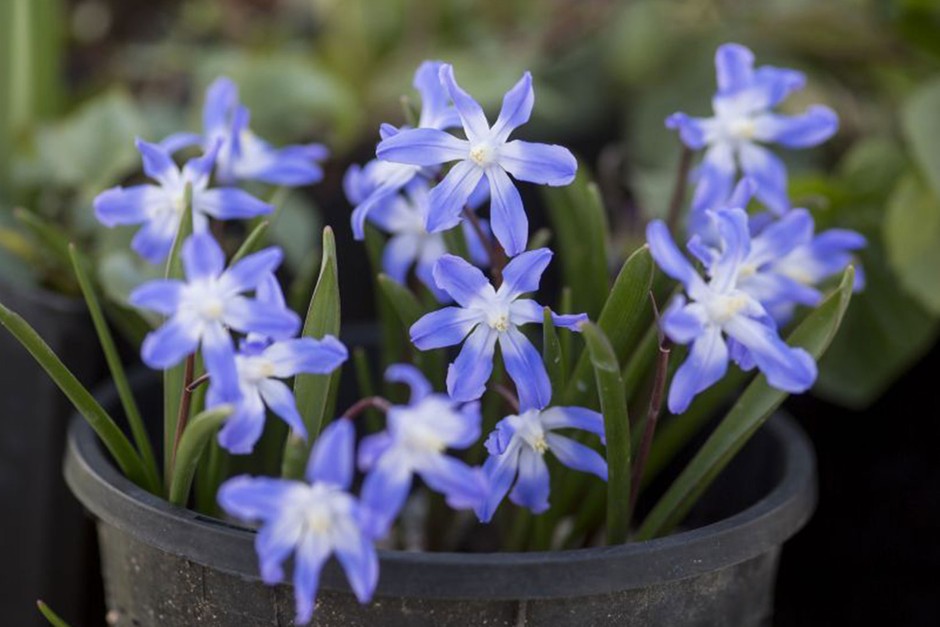
- Chionodoxa: These small bulbs produce delicate blue or pink flowers with white centers.
- Iris: Some varieties of iris are designed to bloom in late winter and early spring.
Conclusion
Planting winter-flowering bulbs is an excellent way to add color and interest to your garden during the cold winter months. By choosing the right bulbs, preparing your garden soil, and following these tips, you can enjoy a continuous display of blooms throughout the year.
Frequently Asked Questions
- Q: When should I plant winter-flowering bulbs?
A: Plant winter-flowering bulbs 6-8 weeks before the first frost date in your area. - Q: What is the best way to care for my winter-flowering bulbs?
A: Water and fertilize your winter-flowering bulbs regularly, but avoid overwatering or overfertilizing. - Q: Can I grow winter-flowering bulbs indoors?
A: Yes, you can grow some winter-flowering bulbs indoors in pots or containers. - Q: How long do winter-flowering bulbs take to bloom?
A: The blooming period of winter-flowering bulbs varies depending on the species and growing conditions, but typically ranges from late winter to early spring. - Q: Can I use the same soil for both summer-blooming and winter-flowering bulbs?
A: While it’s possible to use the same soil for both types of bulbs, it’s best to create a separate bed for each type of bulb to avoid cross-pollination. - Q: How do I store my summer-blooming bulbs overwinter?
A: Store your summer-blooming bulbs in a cool, dry place, such as a garage or shed, until spring. - Q: Can I divide and replant my winter-flowering bulbs every year?
A: Yes, you can divide and replant your winter-flowering bulbs every year to maintain their vigor and productivity. - Q: Are there any other types of bulbs that bloom in the winter?
A: Yes, some varieties of tulips, daffodils, and hyacinths also bloom in late winter or early spring.
Common Winter-Flowering Bulb Varieties
Some popular winter-flowering bulb varieties include:
- Snowdrops (Galanthus): These tiny bulbs produce delicate white blooms in late winter.
- Winter Aconite (Eranthis): This bulb produces bright yellow flowers in late winter, often before the snow melts.
- Crocuses (Crocus): These small bulbs produce vibrant purple, yellow, or white flowers in early spring.
Tips for Growing Winter-Flowering Bulbs
To ensure success with your winter-flowering bulbs, follow these tips:
- Plant the bulb at the correct depth and spacing.
- Use well-draining soil with a slightly acidic pH.
- Water and fertilize regularly, but avoid overwatering or overfertilizing.
- Mulch around the base of the bulb to protect it from extreme cold temperatures.
Conclusion
Planting winter-flowering bulbs is an excellent way to add color and interest to your garden during the cold winter months. By choosing the right bulbs, preparing your garden soil, and following these tips, you can enjoy a continuous display of blooms throughout the year.
Frequently Asked Questions
- Q: When should I plant winter-flowering bulbs?
A: Plant winter-flowering bulbs 6-8 weeks before the first frost date in your area. - Q: What is the best way to care for my winter-flowering bulbs?
A: Water and fertilize your winter-flowering bulbs regularly, but avoid overwatering or overfertilizing. - Q: Can I grow winter-flowering bulbs indoors?
A: Yes, you can grow some winter-flowering bulbs indoors in pots or containers. - Q: How long do winter-flowering bulbs take to bloom?
A: The blooming period of winter-flowering bulbs varies depending on the species and growing conditions, but typically ranges from late winter to early spring.
Additional Resources
For more information on winter-flowering bulbs, consult the following resources:
- Gardening websites: Websites such as Gardening Know How and The Spruce offer a wealth of information on gardening topics, including winter-flowering bulbs.
- Bulb catalogs: Many bulb companies offer catalogs that list their products and provide growing instructions.
- Local nurseries: Visit your local nursery or garden center for advice from experienced gardeners.
By following these tips and using the resources listed above, you can enjoy a beautiful display of winter blooms in your garden.


