
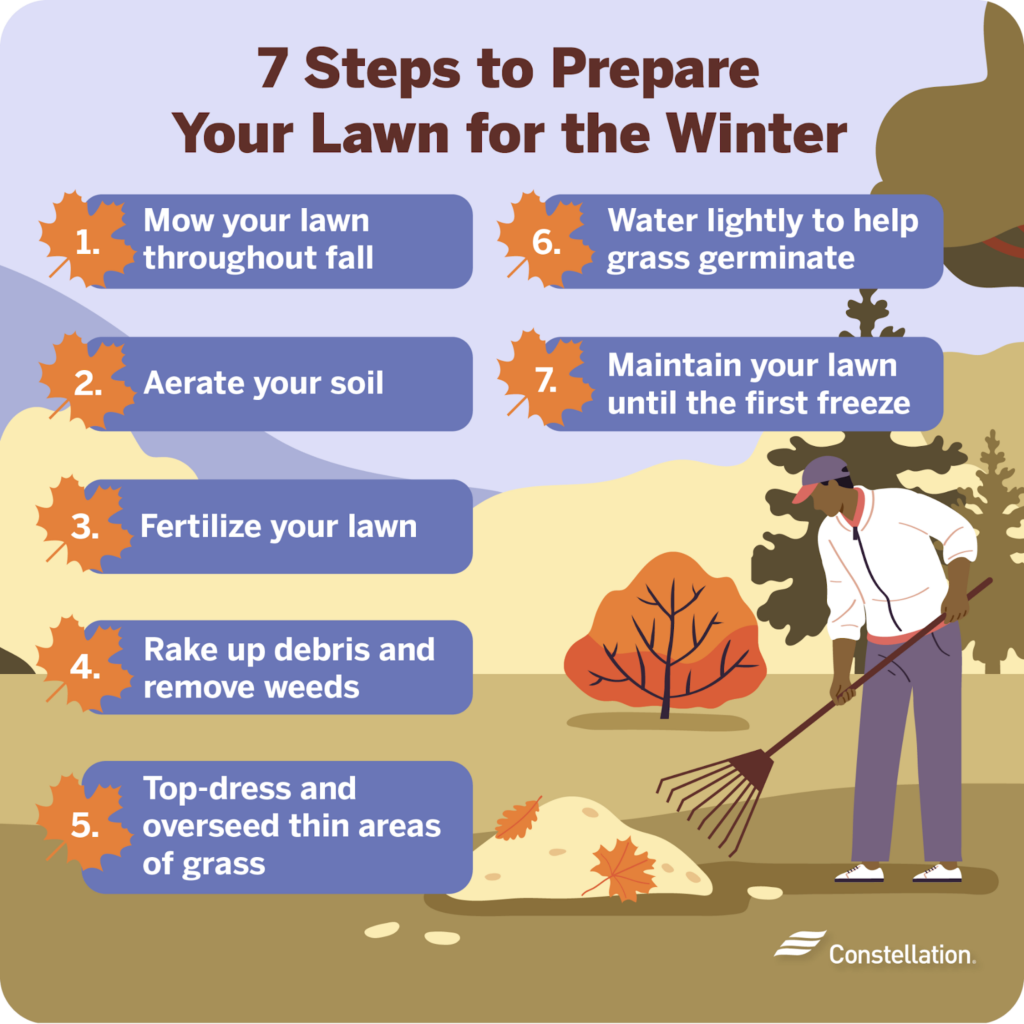
As the weather cools down, it’s essential to think about fertilizing your soil for the winter months. While spring and summer are more focused on promoting plant growth, winter is a crucial time for correcting any imbalances in the soil that may have developed over the growing season.
Why Winter Fertilization Matters
Winter fertilization helps address issues such as poor plant performance, reduced yields, or uneven growth. By adding essential nutrients to the soil, you can:
- Improve soil structure and fertility
- Enhance plant resilience to cold temperatures
- Promote healthy root development
- Support beneficial microbial activity
Understanding Your Soil Before Fertilizing
Before applying fertilizers, it’s crucial to analyze your soil. This will help you determine which nutrients are lacking and at what pH levels your soil falls. Here are some steps to follow:
- Test Your Soil pH: Use a soil testing kit or send a sample to a laboratory for analysis. This will give you an accurate reading of your soil’s pH level.
- Determine Nutrient Deficiencies: Based on the test results, identify which nutrients are lacking in your soil. Common deficiencies include nitrogen (N), phosphorus (P), and potassium (K).
- Classify Your Soil: Once you have an understanding of your soil’s nutrient profile and pH level, classify it into one of five categories:
- Strongly acidic (pH < 5)
- Acidic (pH 5-6.8)
- Slightly alkaline (pH 6.8-7.3)
- Alkaline (pH 7.3-8)
- Highly alkaline (pH > 8)
Choosing the Right Fertilizer
With your soil analysis in hand, select a fertilizer that meets your soil’s specific needs. Consider using organic fertilizers, such as:
- Compost
- Manure tea
- Worm castings
These natural products promote beneficial microbial activity, improve soil structure, and provide essential nutrients for plant growth.
Organic Winter Fertilizer Options
Here are some popular organic winter fertilizer options:
- Lettuce or spinach tea
- Alfalfa meal
- Bone meal
- Kelp meal
- Fish bone meal
- Blood meal
Synthetic vs Organic Fertilizers
When deciding between synthetic and organic fertilizers, consider the following factors:
- Environmental Impact: Synthetic fertilizers can contribute to water pollution, soil degradation, and loss of biodiversity.
- Nutrient Availability: Organic fertilizers release nutrients more slowly, promoting healthy microbial activity and reducing the need for repeated applications.
- Cost: Organic fertilizers may be more expensive than synthetic options, but they offer long-term benefits for your soil health.
Best Practices for Winter Fertilization
To maximize the effectiveness of winter fertilization:
- Apply Fertilizer in Late Fall or Early Winter: This allows nutrients to break down slowly over the winter months.
- Follow Soil Test Recommendations: Based on your test results, determine which nutrients are lacking and at what pH levels your soil falls.
- Mix Fertilizers with Compost or Manure: Combining fertilizers with compost or manure can enhance nutrient availability and beneficial microbial activity.
Common Mistakes to Avoid
To avoid common mistakes when winter fertilizing:
- Overfertilization: Avoid applying too much fertilizer, as this can lead to imbalanced soil chemistry and harm plants.
- Inadequate Soil Testing: Failing to test your soil for pH and nutrient deficiencies can result in ineffective or even harmful fertilization.
- Insufficient Composting: Not incorporating compost into your winter fertilization routine can reduce the effectiveness of organic fertilizers.
Conclusion
Winter fertilization is a critical step in maintaining healthy soils and promoting plant growth during the cold winter months. By understanding your soil’s pH levels, nutrient deficiencies, and classification, you can select the right fertilizer for your specific needs.


