
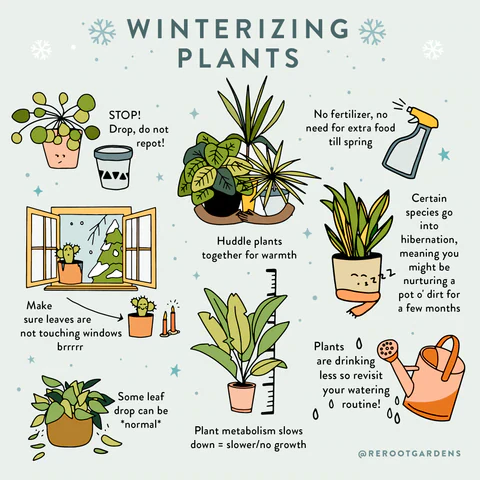
As the winter months approach, many of us may think that our houseplants are going to wither away and perish. However, with a little care and attention, these beautiful plants can thrive even in the most challenging conditions. In this article, we’ll explore the essential tips and tricks for keeping your houseplants healthy and happy during the winter season.
Understanding Houseplant Needs
Houseplants have unique needs that must be met to ensure their survival. One of the primary concerns is temperature control. Ideally, houseplants should be placed in areas with a consistent temperature between 18°C (64°F) and 22°C (72°F). Avoid placing them near heating vents or radiators, as this can cause damage to the plant’s leaves.
Avoiding Stress on Your Plants
Moving your plants frequently can cause stress, so try to minimize this activity during the winter months. Additionally, avoid repotting your plants too often, as this can disrupt their root system and lead to disease.
Humidity and Watering
Maintaining humidity levels is crucial for houseplants. To achieve this, use a humidifier or place the pot on a tray filled with water and pebbles. Avoid overwatering, as this can cause root rot and other problems. Instead, water your plants sparingly, allowing the soil to dry out between waterings.
Tips for Healthy Houseplants
Here are some additional tips for keeping your houseplants healthy and thriving:
- Use distilled or rainwater: These types of water are free from minerals that can cause buildup in the soil.
- Avoid using tap water: Tap water often contains high levels of chlorine, which can harm plants.
- Prune regularly: Pruning helps maintain plant shape and promotes healthy growth.
- Fertilize sparingly: Feed your plants with a balanced fertilizer during the growing season, but avoid overfertilizing.
Caring for Specific Plant Types
Some houseplants require special care. For example:
- Bulbs: Check bulbs regularly to ensure they’re not rotting or developing mold.
- Acid-loving plants: Provide acid-loving plants with a balanced fertilizer and maintain high humidity levels.
- Succulents: Water succulents sparingly, allowing the soil to dry out completely between waterings.
Outdoor Plants: Winter Care on the Balcony and Terrace
If you have outdoor plants on your balcony or terrace, take extra precautions during the winter months:
- Protect from harsh winds: Use a windbreak or burlap to shield plants from strong gusts.
- Insulate planters: Wrap planters with insulation material to retain heat and prevent frost damage.
- Bring in plants at night: If possible, bring potted plants inside at night to protect them from extreme temperatures.
Common Mistakes to Avoid
When caring for your houseplants during the winter months, be mindful of these common mistakes:
- Overwatering: Avoid watering too frequently, as this can lead to root rot and other problems.
- Underwatering: Make sure to water plants enough, especially if they’re exposed to dry air.
- Lack of humidity: Maintain high humidity levels to prevent plant stress.
Preventing Pests
Pests like spider mites, mealybugs, and aphids can thrive in the cooler temperatures of winter. Take these steps to prevent infestations:
- Inspect your plants regularly: Check for signs of pests and treat them promptly.
- Use insecticidal soap or neem oil: These natural pesticides are safe for indoor use.
- Increase air circulation: Good airflow can help prevent pest populations from growing.
Fertilizing Your Houseplants
Winter is not the best time to fertilize your houseplants. In fact, overfertilizing can be detrimental during this season. However, if you do need to fertilize, consider the following options:
- Balanced fertilizer: Use a balanced fertilizer that contains equal amounts of nitrogen, phosphorus, and potassium.
- Organic fertilizers: Choose organic fertilizers like compost tea or worm castings.
- Fertilizer specifically designed for indoor plants: These products are formulated to meet the unique needs of houseplants.
Pruning Your Houseplants
Pruning is an essential part of winter care. Prune your houseplants to maintain their shape, promote healthy growth, and encourage blooming:
- Prune dead or damaged leaves: Remove any dead or damaged leaves to prevent the spread of disease.
- Cut back leggy stems: Trim back leggy stems to promote bushy growth.
- Prune flowering plants: Prune flowering plants after they finish blooming to encourage new blooms.
Repotting Your Houseplants
Winter is not the best time to repot your houseplants. However, if you do need to repot, consider the following tips:
- Choose a well-draining potting mix: Select a potting mix that drains excess water to prevent root rot.
- Use a larger pot: Choose a larger pot to give your plant room to grow.
- Handle roots gently: Be gentle when handling roots to avoid damaging them.
Propagating Your Houseplants
Winter is not the best time to propagate your houseplants. However, if you do need to propagate, consider the following options:
- Stem cuttings: Take stem cuttings in the spring or summer.
- Leaf propagation: Propagate using leaves in the spring or summer.
- Division: Divide plants in the spring or summer.
Common Winter Problems
Winter can bring a range of problems for houseplants. Be aware of these common issues and take steps to prevent them:
- Overwatering: Avoid watering too frequently, as this can lead to root rot and other problems.
- Underwatering: Make sure to water plants enough, especially if they’re exposed to dry air.
- Lack of humidity: Maintain high humidity levels to prevent plant stress.
By following these tips and avoiding common mistakes, you can keep your houseplants healthy and thriving even during the most challenging winter months. With a little care and attention, your plants will continue to flourish and bring joy to your home.
Frequently Asked Questions
Here are some frequently asked questions related to winter houseplant care:
- Q: How often should I water my indoor plants?
- A: Water plants sparingly, allowing the soil to dry out between waterings.
- Q: Can I move my outdoor plants indoors during the winter months?
- A: Yes, but make sure to acclimate them slowly to indoor conditions.
- Q: What is the best way to fertilize my houseplants during the winter months?
- A: Use a balanced fertilizer sparingly, as overfertilizing can harm plants.
- Q: How can I prevent root rot on my indoor plants?
- A: Avoid overwatering and ensure good air circulation around the plant.
- Q: Can I propagate houseplants during the winter months?
- A: Yes, but be aware that some species may not respond well to propagation during this time.
By understanding the unique needs of your houseplants and following these tips, you can keep them healthy and thriving even in the most challenging winter conditions. With a little care and attention, your plants will continue to bring joy and beauty to your home all year round.


