
Introduction
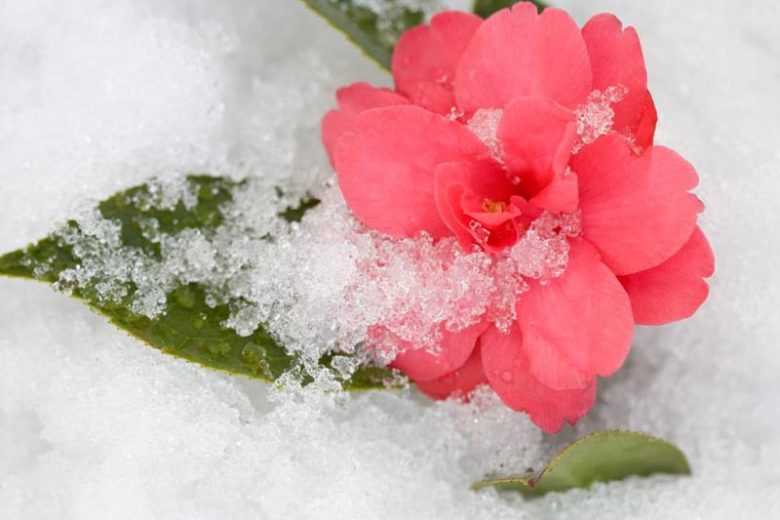
If you’re looking for a low-maintenance, evergreen flower that can thrive in cold temperatures, look no further than the winter camellia. Also known as Camellia sasanqua, this beautiful plant produces stunning flowers from late December to February, making it a popular choice for gardeners in colder climates. In this article, we’ll delve into the world of winter camellias, covering everything from their history and characteristics to how to grow and care for them.
What is Camellia Sasanqua?
Camellia sasanqua is a species of evergreen shrub that originated in East Asia. It’s known for its stunning flowers, which come in a variety of colors including white, pink, red, and purple. Winter camellias are particularly popular for their ability to thrive in cold temperatures, making them an ideal choice for gardeners in colder climates.
History of Camellia Sasanqua
Camellia sasanqua has been cultivated for centuries, with records of its use dating back to the 18th century. The plant was introduced to Europe in the 19th century and quickly gained popularity as a ornamental plant. Today, winter camellias are grown not only for their beauty but also for their ability to thrive in challenging environments.
Characteristics of Winter Camellias
Winter camellias have several characteristics that make them ideal for gardeners:
- Evergreen: Unlike many other flowering plants, winter camellias retain their leaves year-round, making them a great choice for cold climates.
- Cold hardiness: Winter camellias are able to thrive in temperatures as low as 0°F (-18°C), making them an ideal choice for gardeners in colder climates.
- Low maintenance: Winter camellias require minimal care, making them a great choice for busy gardeners.
How to Grow and Care for Winter Camellias
Growing and caring for winter camellias is relatively easy:
- Lighting: Provide winter camellias with bright, indirect light. Direct sunlight can cause the leaves to become scorched.
- Watering: Water winter camellias regularly, but make sure not to overwater. The soil should be moist but not soggy.
- Temperature: Winter camellias prefer temperatures between 40°F (4°C) and 60°F (15°C).
- Fertilization: Feed winter camellias with a balanced fertilizer during the growing season.
Choosing the Right Variety
There are several varieties of winter camellias to choose from:
- Yuletide: Produces small, red flowers.
- Zakura Zukuyo: Produces large, pink flowers.
- Hiry: A Japanese variety with simple, red flowers.
- Narumigata: A fragrant variety with large, white flowers.
Growing Winter Camellias in Pots
Winter camellias can be grown in pots, making them a great choice for gardeners who want to add some greenery to their outdoor space:
- Container size: Choose a container that is at least 12 inches deep and has drainage holes.
- Soil: Use a well-draining potting mix specifically designed for acid-loving plants like winter camellias.
- Watering: Water your winter camellia regularly, but make sure not to overwater.
Pest Control
Winter camellias can be susceptible to pests like:
- Aphids: Small, soft-bodied insects that feed on plant sap.
- Whiteflies: Tiny, winged insects that feed on plant sap.
- Scale: Armored insects that feed on plant sap.
Common Problems with Winter Camellias
Winter camellias can be prone to several common problems:
- Leaf drop: Leaves may fall off the plant due to stress or disease.
- Pests: Pests like aphids, whiteflies, and scale can infest the plant.
- Diseases: Fungal diseases like root rot and leaf spot can affect the plant.
Conclusion
Winter camellias are a beautiful and low-maintenance option for gardeners looking to add some greenery to their outdoor space. With proper care and attention, winter camellias can thrive in even the coldest of climates. Whether you’re a seasoned gardener or just starting out, winter camellias are definitely worth considering.
FAQs
- Q: What is the best way to care for winter camellias?
A: Winter camellias prefer bright, indirect light and regular watering. They also require minimal fertilization and pruning. - Q: How often should I water my winter camellia?
A: Water your winter camellia regularly, but make sure not to overwater. The soil should be moist but not soggy. - Q: Can I grow winter camellias indoors?
A: Yes, you can grow winter camellias indoors in a pot or container. Make sure the plant receives bright, indirect light and regular watering. - Q: How do I prevent pests from infesting my winter camellia?
A: Use insecticidal soap or neem oil to treat any pest infestations on your winter camellia. - Q: Can I grow winter camellias in cold climates?
A: Yes, winter camellias are able to thrive in temperatures as low as 0°F (-18°C). - Q: How often should I fertilize my winter camellia?
A: Feed your winter camellia with a balanced fertilizer during the growing season. - Q: Can I grow winter camellias in shade?
A: Winter camellias prefer bright, indirect light but can tolerate partial shade.
Additional Tips and Tricks
- Prune your winter camellia after it finishes blooming to encourage new growth and prevent leaf drop.
- Mulch around the base of your winter camellia to retain moisture and suppress weeds.
- Consider using a trellis or stake to support your winter camellia, especially if you live in an area with high winds.
Conclusion
Winter camellias are a beautiful and low-maintenance option for gardeners looking to add some greenery to their outdoor space. With proper care and attention, winter camellias can thrive in even the coldest of climates. Whether you’re a seasoned gardener or just starting out, winter camellias are definitely worth considering.
Final Thoughts
- Winter camellias are a versatile plant that can be used in a variety of ways, including as a hedge, screen, or specimen plant.
- With proper care and attention, winter camellias can provide year-round interest and beauty to your garden.
- Consider growing other acid-loving plants like rhododendrons and azaleas with your winter camellia for a vibrant display of color.


