
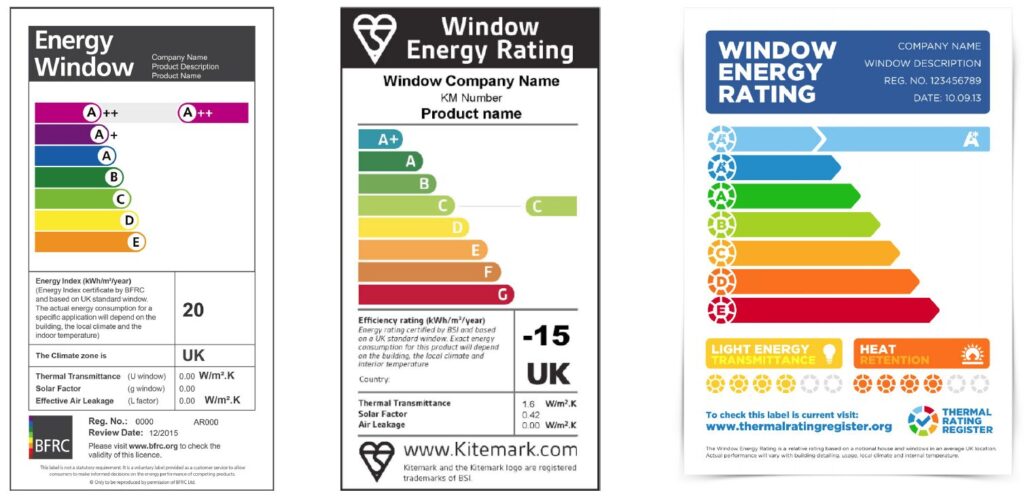
As consumers become increasingly aware of their environmental impact, energy-efficient windows have become an essential aspect of home renovation projects. The energy label on windows, also known as the “etichetta energetica finestre,” provides valuable information about a window’s energy efficiency and performance. In this comprehensive guide, we will delve into the world of energy labels for windows, exploring what they mean and how to choose the right one for your needs.
What is the Energy Label for Windows?
The energy label for windows is less intuitive than other energy labels, such as those found on household appliances. Instead of providing a single energy efficiency rating, it displays various parameters that contribute to a window’s overall energy efficiency. This includes factors like temperature loss in winter and heat gain in summer.
How Does the Energy Label Work?
The energy label for windows uses a coefficient of thermal transmittance (Uw,eq) equivalent, which takes into account not only heat loss but also gains from solar radiation. This ensures that users can evaluate a window’s efficiency even when considering the impact of sunlight on the building.
Understanding the Classifications: A Guide to Energy Efficiency
Windows are categorized into seven energy efficiency classes based on their Uw,eq values:
- Class A: Uw,eq < 0
- Class B: Uw,eq between 0 and 0.1
- Class C: Uw,eq between 0.1 and 0.2
- Class D: Uw,eq between 0.2 and 0.3
- Class E: Uw,eq between 0.3 and 0.4
- Class F: Uw,eq between 0.4 and 0.8
- Class G: Uw,eq > 0.8
Windows classified as Class A not only optimize energy consumption but also allow for maximum solar gain.
What to Look for on the Energy Label
When evaluating an energy label for windows, you’ll find several key parameters:
- Dimension of the frame: The width and height of the window.
- Air and water permeability: Measures of a window’s ability to resist air and water infiltration.
- Frame material quality (Telaio Uf): Indicates the durability and thermal resistance of the window frame.
- Glass quality: Reflects the window’s ability to block heat transfer.
- Distance factor (Distanziatore): Measures the linear thermal conductivity of the window frame.
- Transparency factor (Valore G): Represents the percentage of solar radiation that can pass through the glass.
The transparency factor is a crucial indicator of a window’s energy efficiency, with higher values indicating greater energy savings.
Factors to Consider When Choosing an Energy-Efficient Window
When selecting an energy-efficient window, consider the following factors:
- Climate: Different climates require different levels of insulation and energy efficiency.
- Window size: Larger windows may require more energy-efficient solutions.
- Insulation requirements: Determine if you need additional insulation measures, such as draught-proofing or thermal breaks.
- Budget: Energy-efficient windows can be more expensive than traditional options.
Conclusion
Energy-efficient windows are an essential component of any home renovation project. By understanding what the energy label for windows means and how to choose the right one for your needs, you can reduce energy consumption while also saving money on heating and cooling costs. With this knowledge, you’ll be better equipped to make informed decisions when selecting new windows for your home.
Frequently Asked Questions
Q: What is the purpose of the Uw,eq coefficient?
A: The Uw,eq coefficient represents a window’s energy efficiency in terms of both heat loss and gain from solar radiation.
Q: How do I determine my window’s energy efficiency class?
A: You can find your window’s energy efficiency class by checking the label for the corresponding Uw,eq value.
Q: What factors contribute to a window’s overall energy efficiency?
A: A combination of parameters such as air and water permeability, frame material quality, glass quality, distance factor, and transparency factor all play a role in determining a window’s overall energy efficiency.
Q: Can I expect significant energy savings with Class A windows?
A: Yes, windows classified as Class A not only optimize energy consumption but also allow for maximum solar gain.
Q: How can I choose the right energy-efficient window for my home?
A: Consider factors such as climate, window size, and your desired level of insulation when selecting an energy-efficient window.
Q: What are the benefits of using Class F or G windows?
A: While not ideal, windows classified as Class F or G can still provide some energy savings due to their high transparency factor. However, they may be more expensive than other options.
Q: Can I upgrade my existing windows to improve energy efficiency?
A: Yes, upgrading your windows with newer models that have improved energy efficiency ratings can significantly reduce energy consumption and costs.
Q: What are the long-term benefits of choosing an energy-efficient window?
A: Energy-efficient windows not only provide immediate energy savings but also contribute to a reduced carbon footprint over time.


