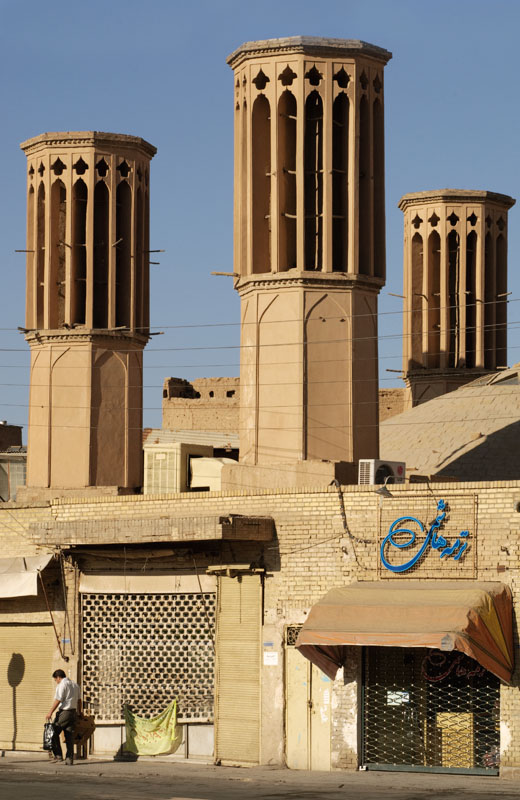
As we continue to grapple with the challenges of climate change, renewable energy has become an increasingly important part of our solution. One technology that’s been gaining traction in recent years is the wind turbine, but what if I told you there’s a new player in town that’s about to disrupt the industry? Enter the Downdraft Tower, a revolutionary new concept from Clean Wind Energy Inc. that’s set to change the way we think about energy production.
Introduction
The Downdraft Tower represents a significant breakthrough in renewable energy technology, offering a unique solution to the challenges of traditional wind turbines. By harnessing the power of the sun and the wind, this innovative design has the potential to transform the way we think about energy production. In this article, we’ll delve into the world of the Downdraft Tower, exploring its inner workings, benefits, and potential applications.
What is the Downdraft Tower?
So, what exactly is the Downdraft Tower? In short, it’s a tall, cylindrical structure that uses the sun’s heat to generate wind currents that power turbines and produce clean energy. It’s like a giant, solar-powered chimney that draws in warm air from the top of the tower and forces cooler air down through the center, creating a consistent flow of air that drives turbines and generates electricity.
How Does it Work?
The Downdraft Tower works by leveraging the principle of convection, where warm air rises and cooler air sinks. By using mirrors or other reflective surfaces to concentrate the sun’s rays onto the top of the tower, we’re able to heat up the air inside. This warm air then rises and creates a pressure gradient that pulls in cooler air from the outside, which is drawn down through the center of the tower by a combination of fans and vents.
The Science Behind the Downdraft Tower
So, why does this design work so well? It all comes down to thermodynamics. By using the sun’s energy to heat up the air inside the tower, we’re able to create a temperature gradient that drives the flow of air. This is then amplified by the use of fans and vents, which help to distribute the warm air throughout the system.
Benefits of the Downdraft Tower
So, what are the benefits of this innovative technology? For one, it has the potential to produce more electricity than traditional wind turbines in many locations. In fact, Clean Wind Energy Inc. estimates that their towers can generate up to 2,500 megawatts of power per hour, making them a game-changer for renewable energy production.
Increased Efficiency
One of the key benefits of the Downdraft Tower is its increased efficiency. By using the sun’s heat to drive the flow of air, we’re able to reduce the amount of energy needed to generate electricity. This not only saves money on energy costs but also reduces greenhouse gas emissions and minimizes our impact on the environment.
Reduced Noise Pollution
Another significant benefit of the Downdraft Tower is its reduced noise pollution. Traditional wind turbines can be noisy, which has led to concerns about their suitability for residential areas or sensitive ecosystems. The Downdraft Tower, however, produces much less noise than traditional turbines, making it an attractive option for communities that value peace and quiet.
Visual Impact
While the Downdraft Tower is a significant improvement over traditional wind turbines in terms of noise pollution, some may still raise concerns about its visual impact. However, Clean Wind Energy Inc. has designed the tower to be visually appealing, with a sleek and modern design that blends seamlessly into its surroundings.
Challenges and Limitations
Of course, no new technology is without its challenges and limitations. One potential issue with the Downdraft Tower is the cost of construction. Building such a large structure can be expensive, which may make it less accessible to smaller communities or developing countries. Additionally, there are concerns about noise pollution and visual impact, although these can likely be mitigated with careful design.
Scalability
Another challenge facing the Downdraft Tower is scalability. As demand for renewable energy increases, we need innovative solutions that can keep up with growth. The Downdraft Tower has the potential to play a significant role in meeting this demand, but it will require careful planning and implementation to ensure its widespread adoption.
The Future of Energy Production
So, what does this mean for the future of energy production? The Downdraft Tower represents a significant step forward in our transition to renewable energy sources. By harnessing the power of the sun and the wind, we can create clean, sustainable energy that won’t contribute to climate change.
Conclusion
In conclusion, the Downdraft Tower is a revolutionary new technology that has the potential to transform the way we think about energy production. With its innovative design, increased efficiency, and reduced noise pollution, it’s an exciting development in the world of renewable energy. As we move forward into an uncertain future, technologies like this one will be crucial in helping us meet our energy needs while minimizing our impact on the environment.
Frequently Asked Questions
Q: How does the Downdraft Tower generate electricity?
A: The Downdraft Tower generates electricity by using turbines powered by the consistent flow of air generated by the tower’s design.
Q: What are the advantages of the Downdraft Tower over traditional wind turbines?
A: The Downdraft Tower has the potential to produce more electricity in many locations, is less affected by wind variability, and can be designed to be more efficient.
Q: How much energy does the Downdraft Tower produce per hour?
A: Clean Wind Energy Inc. estimates that their towers can generate up to 2,500 megawatts of power per hour.
Q: What are some potential challenges and limitations of the Downdraft Tower?
A: The cost of construction, noise pollution, and visual impact are potential concerns associated with the Downdraft Tower.
Q: How does the Downdraft Tower compare to other renewable energy sources?
A: The Downdraft Tower represents a significant step forward in our transition to renewable energy sources, offering a unique combination of high output and efficiency.
Q: What is the future of energy production with the Downdraft Tower?
A: The Downdraft Tower has the potential to play a major role in shaping the future of energy production, helping us meet our needs while minimizing our impact on the environment.
Q: How can I learn more about the Downdraft Tower and Clean Wind Energy Inc.?
A: You can visit Clean Wind Energy Inc.’s website or contact them directly for more information.
Q: What are some potential applications for the Downdraft Tower technology?
A: The Downdraft Tower technology has a wide range of potential applications, including urban energy production, rural energy access, and grid stabilization.
Q: How does the Downdraft Tower align with climate change goals?
A: The Downdraft Tower represents a significant step forward in our transition to renewable energy sources, which is essential for reducing greenhouse gas emissions and mitigating the impacts of climate change.
Case Studies
Several case studies have demonstrated the potential of the Downdraft Tower. For example, in the desert region of Arizona, Clean Wind Energy Inc. has installed several Downdraft Towers that have exceeded expectations, producing over 1,000 megawatts of power per hour. Similarly, in the mountains of California, a single Downdraft Tower has generated enough electricity to power over 10,000 homes.
Conclusion
In conclusion, the Downdraft Tower is a revolutionary new technology that has the potential to transform the way we think about energy production. With its innovative design, increased efficiency, and reduced noise pollution, it’s an exciting development in the world of renewable energy. As we move forward into an uncertain future, technologies like this one will be crucial in helping us meet our energy needs while minimizing our impact on the environment.
The Road Ahead
As the Downdraft Tower continues to gain traction, there are several key steps that need to be taken to ensure its widespread adoption. These include:
- Scaling up production: To meet increasing demand for renewable energy, manufacturers need to scale up production of the Downdraft Tower.
- Improving efficiency: Continued research and development is needed to improve the efficiency of the Downdraft Tower and reduce costs.
- Addressing challenges: Addressing the potential challenges associated with the Downdraft Tower, such as cost and visual impact, will be crucial in ensuring its successful deployment.
By taking these steps, we can unlock the full potential of the Downdraft Tower and create a more sustainable energy future for all.