
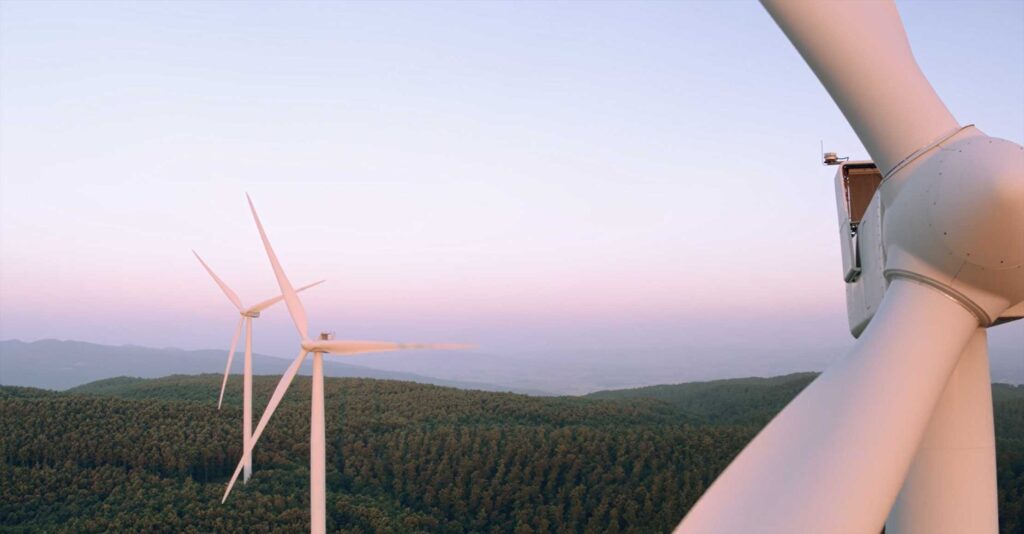
Italy is far from the European average when it comes to the wind industry. Italian wind parks provide only 4.2% of the country’s total electricity consumption, a low percentage compared to Denmark, which ensures 25.9% of the country’s electricity needs with wind energy.
The reality in Italy is also far from Spain, Portugal, Ireland, Germany, and Greece, which all have higher percentages of renewable energy production. The data was made public through a report published by the European Wind Energy Association (EWEA).
In this article, we will explore the reasons behind Italy’s low ranking in wind energy production and examine potential solutions to improve the country’s position.
European Wind Energy Ranking
The EWEA ranking highlights the surprising position of Italy in terms of electricity production based on eolic energy:
- Denmark: 25.9%
- Spain: 15.9%
- Portugal: 15.6%
- Ireland: 12%
- Germany: 10.6%
- Cipro: 5.4%
- Grecia: 5.2%
- Svezia: 4.5%
- Regno Unito: 4.5%
- Estonia: 4.4%
- Paesi Bassi: 4.4%
- Italia: 4.2%
- Romania: 3.7%
- Bulgaria: 3.4%
- Austria: 3.3%
- Lituania: 3%
- Belgio: 2.9%
- Francia: 2.8%
- Polonia: 2.3%
- Ungheria: 1.7%
- Lussemburgo: 1.3%
- Lettonia: 0.9%
- Repubblica ceca: 0.7%
- Finlandia: 0.5%
- Slovacchia: 0%
- Slovenia: 0%
- Malta: 0%
The Reasons Behind Italy’s Low Ranking
There are several reasons that contribute to Italy’s low ranking in wind energy production:
- Lack of investment: Italy has historically been reluctant to invest in the wind industry, which is one of the most promising sources of renewable energy.
- Limited policy framework: The Italian government has not implemented a comprehensive policy framework to support the development of wind energy, making it difficult for investors to secure funding and planning approvals.
- High costs: Building wind farms can be expensive due to high labor costs, land acquisition costs, and equipment costs.
- Environmental concerns: Some communities in Italy have expressed concerns about the visual impact of wind turbines on rural landscapes, leading to opposition to wind farm development.
Useful Links | EWEA Wind Energy Report PDF
Published by Anna De Simone on February 14, 2012
Frequently Asked Questions (FAQs)
- What percentage of electricity consumption does Italy rely on wind power?
Italy relies on 4.2% of its total electricity consumption on wind power. - Which countries lead in wind energy production in Europe?
Denmark, Spain, Portugal, Ireland, and Germany are the top five countries in terms of wind energy production in Europe. - Why is Italy’s wind energy position not better?
Italy has a large potential for wind energy, but it needs to invest more in this sector to improve its ranking. - What percentage of electricity consumption does Denmark ensure with wind power?
Denmark ensures 25.9% of its total electricity consumption with wind power. - Which countries have higher percentages of renewable energy production than Italy?
Greece, Sverige, and Estonia have higher percentages of renewable energy production than Italy. - Why is Germany not considered the leader in wind energy production?
Germany is often considered the leader in renewables, but it still lags behind in terms of wind energy production. - What percentage of electricity consumption does Ireland ensure with wind power?
Ireland ensures 12% of its total electricity consumption with wind power. - Can you provide more information on mini-wind farms in Italy?
Mini-wind farms are a sector that needs to be developed and promoted in Italy to improve the country’s ranking in terms of wind energy production.
The Importance of Wind Energy
Wind energy is an essential component of a sustainable energy mix, and Italy has a unique opportunity to develop its wind industry. The country’s mountainous terrain, strong winds, and abundant sunshine make it an ideal location for wind farm development.
Investing in Mini-Wind Farms
Mini-wind farms are small-scale wind turbines that can be installed on existing land or built on newly acquired properties. These turbines are more affordable than traditional wind turbines and require less infrastructure, making them an attractive option for developers.
The Italian government has implemented policies to support the development of mini-wind farms, including tax incentives and streamlined permitting processes.
Promoting Offshore Wind Farms
Offshore wind farms are located in the sea and offer a significant advantage over onshore wind farms. They can harness stronger and more consistent winds, making them more efficient and cost-effective.
However, developing offshore wind farms is a complex process that requires significant investment and planning approvals. The Italian government has implemented policies to support the development of offshore wind farms, including tax incentives and streamlined permitting processes.
Conclusion
Italy has a long way to go in terms of wind energy production, but there are opportunities for growth and development. Investing in mini-wind farms and promoting offshore wind farms can help improve the country’s ranking in terms of wind energy production.
The Italian government needs to implement policies that support the development of wind energy, including tax incentives, streamlined permitting processes, and funding for research and development.
Recommendations
- Increase investment: The Italian government should increase its investment in the wind industry to support the development of new wind farms.
- Implement policies: The government should implement policies to support the development of mini-wind farms and offshore wind farms.
- Promote public awareness: Public awareness campaigns can help promote the benefits of wind energy and encourage community acceptance.
- Provide training: Training programs for wind turbine technicians and engineers can help address labor shortages in the industry.
By implementing these recommendations, Italy can improve its ranking in terms of wind energy production and contribute to a more sustainable energy mix.


