
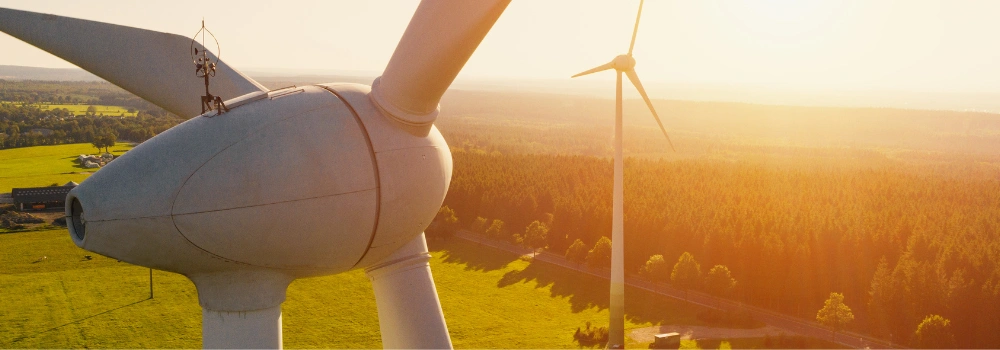
Introduction to Wind Energy
As the world continues to grapple with the challenges of climate change and energy sustainability, one solution stands out as a beacon of hope: wind power. According to recent projections from the European Wind Energy Association (EWEA), wind energy could soon account for nearly 16% of Europe’s electricity demand by 2027. This article will delve into the world of wind energy, exploring its potential, growth prospects, and what it means for our future.
The Rise of Wind Power
Currently, wind energy contributes around 6% to Europe’s electricity mix, but this figure is set to triple over the next decade as investments in the sector reach a staggering €192 billion. The EWEA predicts that by 2020, wind power will generate an astonishing 581 terawatt-hours (tWh) of electricity, increasing to 1,154 tWh annually with a combined installed capacity of 400 gigawatts (GW).
Unlocking the Full Potential of Wind Power
The EWEA’s forecast suggests that Europe has the potential to meet its entire energy needs through renewable sources by 2050. In fact, according to the organization, 50% of the electricity needed on the continent will come from wind power, while the remaining half will be sourced from a mix of clean energy sources.
Wind Energy in Italy: A Growing Sector
In Italy, wind energy plays a vital role in the country’s energy landscape. With plans to increase installed capacity from 5.8 gigawatts (GW) to 15.5 GW by 2020, the sector is poised for significant growth. This expansion will be driven by the installation of new wind farms, with an annual growth rate of approximately 1 GW.
A More Optimistic Outlook
While some experts argue that the EWEA’s projections are overly optimistic, others point out that the actual growth in the wind industry far exceeds initial expectations. With investment pouring into the sector and new technologies emerging, the prospects for wind energy look brighter than ever.
The Benefits of Wind Power
So what makes wind power so appealing? For starters, it’s significantly more cost-effective than solar energy. As a result, investments in wind energy are skyrocketing during the renewable energy boom. Additionally, advancements in offshore wind technology mean that even more potential sites are being explored and developed.
Offshore Wind Farms: A New Frontier
The EWEA reports that 40 new offshore wind farms will be built in 2020 alone, marking a significant milestone for the sector. The introduction of floating turbines is also paving the way for further growth, making it possible to harness energy from previously inaccessible areas.
Advancements in Turbine Technology
In recent years, turbine manufacturers have made significant strides in improving efficiency and reducing costs. Advances in materials science and computer-aided design have enabled the development of more powerful and efficient turbines, leading to a substantial decrease in operating costs.
The Role of Government Support
Government support has played a crucial role in the growth of wind energy. In many countries, tax incentives and grants have been offered to encourage investment in the sector. This support has helped to level the playing field with fossil fuels and has provided a much-needed boost to the industry.
Community Engagement and Acceptance
As wind farms become more common, community engagement and acceptance are becoming increasingly important. Developers must work closely with local communities to address concerns about noise, visual impact, and wildlife protection. By engaging with stakeholders and addressing their concerns, developers can help to build trust and ensure a smooth transition to wind energy.
The Impact of Wind Power on Energy Poverty
Wind power has the potential to play a significant role in reducing energy poverty around the world. In many developing countries, access to reliable and affordable electricity is limited, leading to a range of social and economic challenges. By providing off-grid wind energy solutions, developers can help to bring electricity to remote communities, improving living standards and empowering local economies.
Challenges and Limitations
Despite its many advantages, the wind industry faces several challenges and limitations. One major concern is the impact of wind farms on bird populations and other wildlife. Additionally, the installation of large-scale turbines requires significant upfront investment and can have environmental impacts such as habitat disruption and visual pollution.
The Future of Offshore Wind
Offshore wind energy has been hailed as a game-changer for the industry, offering vast potential for growth and development. With the introduction of floating turbines, developers are now able to harness energy from previously inaccessible areas, opening up new possibilities for offshore wind farms.
Conclusion
As we move forward into an increasingly sustainable future, wind power stands at the forefront as a beacon of hope. With its potential to generate nearly 16% of Europe’s electricity demand by 2027 and potentially meet the entire continent’s energy needs by 2050, wind energy is poised for a breakthrough moment in history.
Frequently Asked Questions
- What percentage of Europe’s electricity demand will come from wind power by 2027?
According to the EWEA, wind energy could account for nearly 16% of Europe’s electricity demand by 2027. - How much has been invested in wind energy over the next decade?
Investments in wind energy are projected to reach €192 billion over the next decade. - What is the predicted growth rate of wind power in Italy?
The sector is set for significant growth, with plans to increase installed capacity from 5.8 GW to 15.5 GW by 2020. - Why do experts believe that wind energy will surpass solar energy as the leading source of renewable energy?
Wind power is significantly more cost-effective than solar energy, making it an attractive option for investors and governments alike. - What are some new technologies emerging in the wind industry?
Advancements in offshore wind technology and the development of floating turbines are paving the way for further growth in the sector. - How many new offshore wind farms will be built in 2020, according to the EWEA?
The EWEA reports that 40 new offshore wind farms will be built in 2020 alone. - What is the predicted installed capacity of wind power by 2050?
According to the EWEA, a combined installed capacity of 400 GW will generate an astonishing 1,154 terawatt-hours (tWh) of electricity annually. - Why do some experts believe that the EWEA’s projections are overly optimistic?
Some experts argue that the actual growth in the wind industry far exceeds initial expectations, making the predictions seem more realistic than initially thought.
Glossary of Terms
- EWEA: European Wind Energy Association
- GW: Gigawatt (a unit of power)
- tWh: Terawatt-hour (a unit of energy)
- Offshore wind farm: A large-scale installation of turbines located in the ocean
- Floating turbine: A type of turbine designed to be installed on floating structures, allowing for the harnessing of energy from previously inaccessible areas
References
- European Wind Energy Association (EWEA). (2020). Wind Energy Market Report 2020.
- International Renewable Energy Agency (IRENA). (2019). Global Wind Power Outlook 2019.
- National Renewable Energy Laboratory (NREL). (2020). Offshore Wind: A Review of the Current State and Future Directions.


