
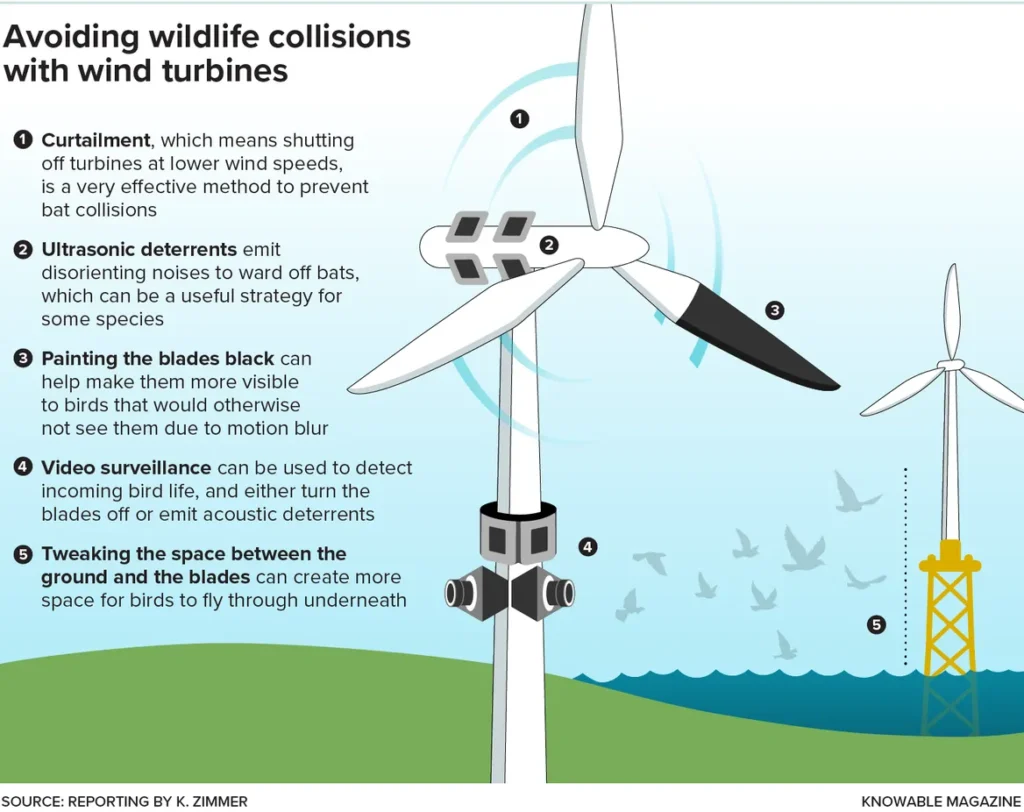
As the debate about wind turbines continues to gain momentum, one organization is shedding light on a crucial issue that has been at the center of the controversy: the impact of wind turbines on birds. In a recent study, the Royal Society for the Protection of Birds (RSPB) has made some surprising findings that challenge the common perception that wind turbines are a threat to avian life.
The RSPB’s Research
The RSPB, a leading British organization dedicated to protecting birds, conducted an extensive study on the impact of wind turbines on bird populations. In collaboration with other organizations, including Scottish Natural Heritage and the British Trust for Ornithology (BTO), the research team collected data from 18 wind farms in Scotland.
What Did They Find?
The study revealed that, contrary to popular belief, there is no significant impact of wind turbines on bird populations. In fact, the RSPB found that some bird species are even more abundant near wind farms than they are in areas without them.
One of the most striking findings was that the construction process of wind turbines seems to have a greater negative impact on birds than the turbines themselves. During this period, certain species such as curlews, lapwings, and red kites were found to be more vulnerable to injury or death.
However, when it came to the operational phase, there was no significant evidence of harm to bird populations. In fact, some bird species, like the allandola and saltimpalo, even increased in density near wind farms during this period.
The Italian Connection
The RSPB’s study may seem isolated at first, but its findings have implications for Italy as well. The country is also grappling with the issue of wind turbines and their potential impact on bird populations. While Italian environmental groups are concerned about the effects of wind turbines on birds, particularly during construction phases, the RSPB’s research suggests that this concern may be overstated.
In fact, Italy has been at the forefront of wind energy development in recent years, with many large-scale projects underway. The RSPB’s study highlights the need for a more nuanced approach to evaluating the impact of wind turbines on bird populations, one that takes into account both construction and operational phases.
The RSPB’s Plan
Despite its findings, the RSPB is not taking a hands-off approach to the issue. In fact, the organization has announced plans to build a 100-meter-tall wind turbine near its headquarters in Bedfordshire, England. This move aims to demonstrate that wind turbines can be designed and constructed in a way that minimizes their impact on bird populations.
Designing Wind Turbines for Bird Welfare
The RSPB’s plan is part of a broader initiative to promote sustainable energy production that prioritizes bird welfare. The organization is working with wind turbine designers and manufacturers to develop more bird-friendly designs, including those that incorporate features such as:
- Bird-proof fencing: designed to prevent birds from coming into contact with the turbines during construction and maintenance phases
- Wind farm layout optimization: taking into account factors such as wind direction, bird migration patterns, and habitat connectivity
- Wildlife monitoring systems: installed on wind farms to detect and respond to changes in bird populations
By working together with industry stakeholders, government agencies, and other conservation organizations, the RSPB hopes to create a more sustainable energy future that balances human needs with environmental protection.
Conclusion
The RSPB’s study offers a crucial perspective on the debate surrounding wind turbines and birds. By challenging common assumptions and presenting new evidence, this research highlights the need for more nuanced discussions about the issue.
As we move forward in our efforts to reduce greenhouse gas emissions and promote sustainable energy production, it is essential that we prioritize bird welfare and environmental protection. The RSPB’s study serves as a reminder of the importance of responsible decision-making and collaboration between stakeholders.
Frequently Asked Questions
- What motivated the RSPB to conduct this study?
The RSPB was concerned that the prevailing negative attitudes towards wind turbines were not supported by scientific evidence. - How did the RSPB collect its data?
The RSPB conducted a comprehensive survey of 18 wind farms in Scotland, collecting data on bird populations and behavior before, during, and after construction. - What specific findings did the study highlight?
The study found that some bird species are more abundant near wind farms than they are in areas without them, while others show no significant change in population density. - How does this study challenge common perceptions about wind turbines and birds?
The study contradicts the widespread assumption that wind turbines are a direct threat to bird populations, highlighting instead the importance of careful planning and design during construction phases. - What can be done to minimize the impact of wind turbines on birds?
The RSPB suggests that wind turbine designers should prioritize careful planning, monitoring, and mitigation measures to protect bird populations. - Can you tell us more about the RSPB’s decision to build a 100-meter-tall wind turbine near its headquarters?
The RSPB aims to demonstrate that wind turbines can be designed and constructed in a way that minimizes their impact on bird populations, showcasing its commitment to responsible and sustainable energy production. - What message do you think this study sends to Italian environmental groups?
We encourage Italian environmental groups to follow the example of the RSPB by adopting more nuanced approaches to the debate around wind turbines and birds. - How can readers get involved in promoting sustainable energy practices that prioritize bird welfare?
By sharing our knowledge and expertise, we can work together towards a more sustainable future for all species.
Recommendations for Sustainable Energy Practices
To promote sustainable energy production that prioritizes bird welfare, the following recommendations are made:
- Conduct thorough impact assessments: before constructing wind farms or installing turbines
- Develop bird-friendly designs: incorporating features such as bird-proof fencing and wildlife monitoring systems
- Implement effective mitigation measures: during construction and maintenance phases
- Promote transparency and public engagement: through regular updates and stakeholder consultation
- Support conservation efforts: to protect habitats and species that may be affected by wind turbine development
By working together, we can create a more sustainable energy future that balances human needs with environmental protection.
Future Directions
The RSPB’s study highlights the need for continued research and collaboration in the field of wind turbine bird safety. Future directions for this research include:
- Long-term monitoring: to assess the long-term impact of wind turbines on bird populations
- Development of new technologies: such as bird-friendly turbine designs and advanced monitoring systems
- Expansion of studies: to other regions and countries, including Italy and beyond
By continuing to advance our knowledge and understanding of wind turbine bird safety, we can work towards a more sustainable energy future that prioritizes both human needs and environmental protection.
Conclusion
The RSPB’s study offers a crucial perspective on the debate surrounding wind turbines and birds. By challenging common assumptions and presenting new evidence, this research highlights the need for more nuanced discussions about the issue.
As we move forward in our efforts to reduce greenhouse gas emissions and promote sustainable energy production, it is essential that we prioritize bird welfare and environmental protection. The RSPB’s study serves as a reminder of the importance of responsible decision-making and collaboration between stakeholders.
Final Thoughts
The future of renewable energy is bright, but it requires careful planning and design to minimize its impact on bird populations. By working together, we can create a more sustainable energy future that balances human needs with environmental protection.
The RSPB’s study is an important step towards promoting responsible wind turbine development and prioritizing bird welfare. As we move forward, let us continue to advance our knowledge and understanding of wind turbine bird safety, and work towards a brighter, more sustainable future for all species.


