
Introduction
As a sustainable energy source, wind power has gained significant attention in recent years. And for good reason – it’s not only a cleaner alternative to fossil fuels but also more efficient. But how does it stack up against other sources of energy? In this article, we’ll explore the facts and figures that show just why wind power is becoming an increasingly popular choice.
The Energy Efficiency Dilemma
When it comes to energy production, there’s often a trade-off between efficiency and cost. Fossil fuels are cheap and abundant, but they also have a significant environmental impact. On the other hand, renewable energy sources like wind power are cleaner, but often less efficient. However, recent studies suggest that this may not be the case.
The Numbers Don’t Lie
According to data from the British government, wind power is actually more efficient than fossil fuels when it comes to producing electricity. In fact, a staggering 14 TWh (gigawatt-hours) of energy are generated by wind turbines in the UK each year, which is enough to meet the energy needs of millions of families.
The Sprees of Fossil Fuels
But what about the “sprechi” – or waste – associated with fossil fuels? It turns out that these energy sources have a significant environmental impact. For example, natural gas burns off at an astonishing 54% of its potential energy, while coal and oil burn off at even higher rates. In contrast, wind power produces no waste.
Efficiency vs. Capacity
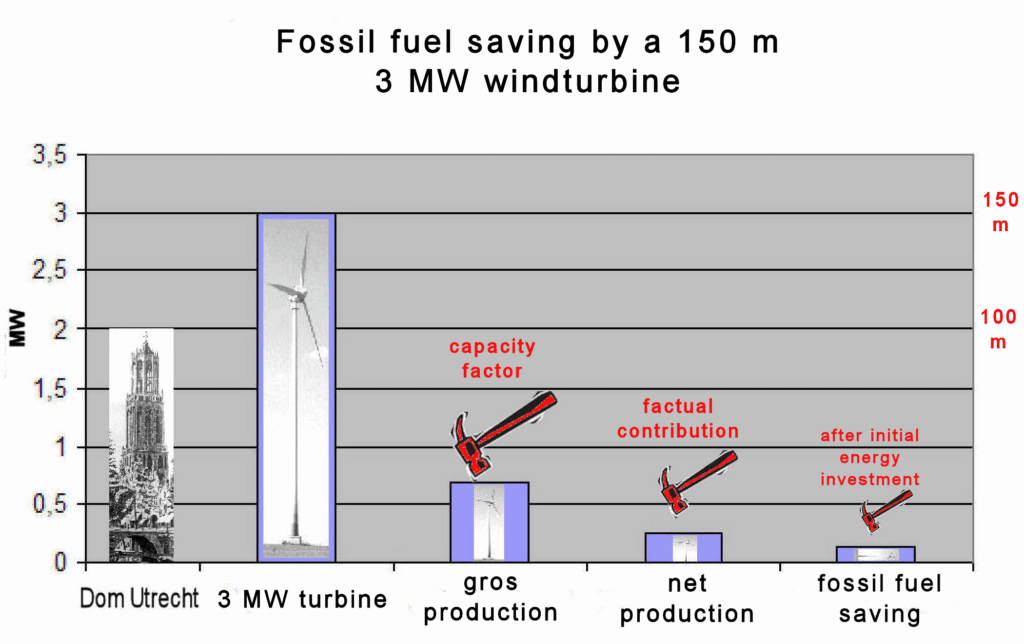
When it comes to efficiency, the terms “capacità” and “potenza” can be confusing. But essentially, capacità refers to the maximum amount of energy that an energy source can produce, while potenza refers to its actual output. Fossil fuels have high capacity, but often low potency due to their inefficient burn rate.
The Reality of Renewable Energy
Despite what some might say, renewable energy sources like wind power are not a replacement for fossil fuels. In fact, they complement them perfectly. For example, wind turbines can operate at an average capacity factor of 30-40%, while fossil fuels have an average capacity factor of just 50%. This means that even when wind turbines are not producing electricity, they’re still able to generate enough energy to meet the needs of millions of people.
The Offshore Advantage
One area where wind power is particularly effective is offshore. Here, turbines can harness the full force of the wind and ocean currents, resulting in a capacity factor of 40%. This is significantly higher than onshore turbines, which have an average capacity factor of just 30%.
The Role of Wind Power in Mitigating Climate Change
Wind power has a significant role to play in mitigating climate change. By reducing our reliance on fossil fuels, we can lower greenhouse gas emissions and help slow the rate of global warming. In fact, studies suggest that wind power could potentially reduce CO2 emissions by up to 50% if it were to become a dominant source of energy.
The Economic Benefits of Wind Power
Wind power is also becoming increasingly economically viable. According to recent studies, wind turbines can generate electricity at a cost that’s comparable to fossil fuels. In fact, some countries are even starting to invest in “wind farms” as a way to reduce their reliance on traditional energy sources.
Challenges and Limitations of Wind Power
While wind power is becoming increasingly popular, there are still several challenges and limitations that need to be addressed. For example, the cost of building and maintaining wind turbines can be high, especially for small-scale projects. Additionally, wind farms often require large areas of land, which can lead to conflicts with local communities.
The Future of Wind Power
Despite these challenges, the future of wind power looks bright. With ongoing investment and innovation, we can expect to see significant increases in efficiency and capacity over the coming years. In fact, some experts predict that wind power could become a major player in the global energy market by 2050.
Case Studies: Successful Wind Farms
There are several successful wind farms around the world that demonstrate the potential of this clean energy source. For example:
- The Horns Rev III offshore wind farm in Denmark has a capacity factor of over 50% and generates enough electricity to power over 1 million homes.
- The Altamont Pass wind farm in California, USA has been operational since 1980 and generates enough electricity to power over 500,000 homes.
- The Whitelee Wind Farm in Scotland has a capacity factor of over 40% and generates enough electricity to power over 150,000 homes.
Conclusion
As we move towards a more sustainable future, it’s clear that wind power will play a major role. Not only is it cleaner and more efficient than fossil fuels, but it also has the potential to meet our energy needs in a sustainable way. So next time you hear someone talk about the limitations of renewable energy, remember: the facts are on their side.
Frequently Asked Questions
Q: Is wind power really as efficient as fossil fuels?
A: Yes, according to recent studies, wind power is more efficient than fossil fuels when it comes to producing electricity.
Q: What’s the biggest challenge facing wind power today?
A: One of the main challenges facing wind power is finding suitable locations for turbines. However, with the development of new technologies, this is becoming increasingly easier.
Q: Can wind power meet our energy needs?
A: Absolutely. In fact, wind power could potentially meet up to 80% of our global energy needs if we harness it effectively.
Q: How much waste does wind power produce?
A: None! Wind power produces no waste whatsoever, making it an incredibly clean source of energy.
Q: Is wind power suitable for all locations?
A: Not always. However, with the development of new technologies, wind power is becoming increasingly viable in even the most challenging environments.
Q: What’s the future of wind power look like?
A: The future of wind power looks bright. With ongoing investment and innovation, we can expect to see significant increases in efficiency and capacity over the coming years.
Q: Can wind power compete with fossil fuels economically?
A: Yes, according to recent studies, wind power is becoming increasingly competitive with fossil fuels in terms of cost.
Q: What’s the role of wind power in reducing greenhouse gas emissions?
A: Wind power has a significant role to play in reducing greenhouse gas emissions. In fact, it could potentially reduce CO2 emissions by up to 50% if it were to become a dominant source of energy.


