
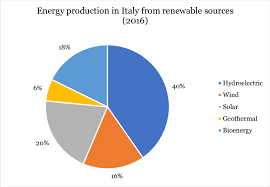
Italy is home to an impressive array of wind farms, which produce electricity that can meet the energy needs of 15 million people. According to the Association for Renewable Energy (Anev), this amount of renewable energy produced from wind power is substantial enough to make a real difference in reducing our reliance on fossil fuels.
The use of wind energy has become increasingly popular in Italy over the years, with many wind farms located throughout the country. The Italian government has set ambitious targets for increasing renewable energy production and reducing greenhouse gas emissions, and investing in offshore wind farms is seen as a key part of this strategy.
The Capabilities of Wind Power in Italy: A True Game-Changer
With a capacity of 15 TWh (Terawatt-hours) per year, the energy produced by Italian wind farms is an incredible feat. This amount of clean energy can help reduce greenhouse gas emissions and mitigate climate change. In fact, studies have shown that if we transition to 100% renewable energy, we can avoid catastrophic climate-related disasters.
One of the key benefits of wind power is its ability to provide a reliable source of electricity. Wind turbines are capable of generating electricity continuously, making them an attractive option for countries looking to reduce their reliance on fossil fuels. Additionally, wind power is becoming increasingly cost-competitive with traditional energy sources, making it a more viable option for many countries.
The Impact of Wind Power on Italy’s Energy Landscape
By investing in wind power, Italy is not only reducing its reliance on fossil fuels but also saving approximately 19 million barrels of oil per year. This translates to a significant reduction in air pollution and greenhouse gas emissions, with estimates suggesting that it could lower CO2 emissions by around 10 million tons.
The use of wind power has also had a positive impact on Italy’s economy. The construction of new wind farms creates jobs and stimulates local economies, while the revenue generated from selling electricity back to the grid can be reinvested in other energy projects or used to fund social programs.
The IPCC’s Warning: A Call to Action for Italy
The Intergovernmental Panel on Climate Change (IPCC) has issued a stark warning about the devastating impact of climate change. The second part of their report highlights the urgent need for immediate action to mitigate the effects of climate change. The Anev is clear in its message: we must act now to prevent further catastrophes.
The IPCC warns that if global greenhouse gas emissions continue to rise, the consequences will be catastrophic. Rising sea levels, more frequent natural disasters, and devastating droughts are just a few of the potential consequences of climate change. Italy, like many other countries, is particularly vulnerable to these impacts, with its unique geography making it susceptible to flooding and landslides.
The Power of Wind Energy: A Solution to Climate Change
So, what can we do to harness the power of wind energy? The answer lies in investing in offshore wind farms. Italy has a vast coastline with tremendous potential for offshore wind energy, but bureaucratic hurdles and inadequate regulations are hindering its development.
Offshore wind energy has several advantages over traditional wind farms. For one, it allows turbines to be installed farther out at sea, where winds are stronger and more consistent. This can result in higher electricity production levels and lower costs. Additionally, offshore wind farms can have a significant impact on local ecosystems, providing habitat for marine species and helping to maintain water quality.
The Current State of Offshore Wind Energy in Italy: A Call to Action
Despite the challenges, there are already several promising projects underway, including the Mediterranean Wind Offshore project, which aims to generate 136 MW of electricity from turbines located off the coast of Gela. The Adriatic Sea and the Tyrrhenian Sea also offer excellent opportunities for offshore wind energy production.
However, more needs to be done to support the development of offshore wind energy in Italy. Bureaucratic hurdles and inadequate regulations are hindering the growth of this industry, while a lack of public awareness and education is preventing many people from understanding the potential benefits of offshore wind energy.
Conclusion: A Brighter Future for Italy’s Energy Landscape
In conclusion, wind power has the potential to revolutionize Italy’s energy landscape and make a significant impact on reducing greenhouse gas emissions. By investing in offshore wind farms and transitioning to 100% renewable energy, we can create a cleaner, more sustainable future for generations to come.
As the world continues to grapple with the challenges of climate change, it is clear that wind power will play an increasingly important role in our transition to a low-carbon economy. Italy has already made significant strides in this area, and with continued investment and support, we can ensure that our country remains at the forefront of the global transition to renewable energy.
Frequently Asked Questions:
- Q: How much electricity does wind power produce in Italy?
A: Wind power produces approximately 15 TWh of electricity per year in Italy. - Q: What is the impact of wind power on air pollution and greenhouse gas emissions?
A: Studies suggest that transitioning to 100% renewable energy can reduce CO2 emissions by around 10 million tons annually. - Q: What is the IPCC’s warning about climate change, and what does it mean for Italy?
A: The IPCC warns that if we don’t take immediate action, climate-related disasters will become catastrophic and irreparable. - Q: Why is offshore wind energy important for Italy’s energy landscape?
A: Offshore wind energy has tremendous potential in Italy due to its vast coastline, but bureaucratic hurdles and inadequate regulations are hindering its development. - Q: What are some examples of existing offshore wind projects in Italy?
A: There are several promising projects underway, including the Mediterranean Wind Offshore project, which aims to generate 136 MW of electricity from turbines located off the coast of Gela. - Q: How can individuals and businesses support the transition to renewable energy in Italy?
A: By investing in offshore wind farms and promoting sustainable practices, we can create a cleaner, more sustainable future for generations to come. - Q: What is the timeline for Italy’s transition to 100% renewable energy?
A: While there is no specific timeline, the Italian government has set ambitious targets for increasing renewable energy production and reducing greenhouse gas emissions. - Q: How can policymakers support the development of offshore wind energy in Italy?
A: By streamlining regulatory processes and providing incentives for investment in offshore wind farms, policymakers can help overcome bureaucratic hurdles and unlock the full potential of this clean energy source.
Recommendations for Policymakers
- Streamline regulatory processes to facilitate the development of offshore wind farms.
- Provide incentives for investment in offshore wind farms, such as tax credits or grants.
- Increase public awareness and education about the benefits of offshore wind energy.
- Invest in research and development to improve the efficiency and cost-effectiveness of offshore wind turbines.
- Encourage private sector investment in offshore wind projects through auctions or other mechanisms.
Recommendations for Individuals and Businesses
- Invest in renewable energy sources, such as wind power or solar panels.
- Promote sustainable practices in your daily life, such as reducing energy consumption or using public transportation.
- Support policies that encourage the development of offshore wind energy.
- Educate yourself about the benefits of offshore wind energy and share your knowledge with others.
- Encourage your employer or business to invest in renewable energy sources.
By working together, we can create a cleaner, more sustainable future for generations to come.


