
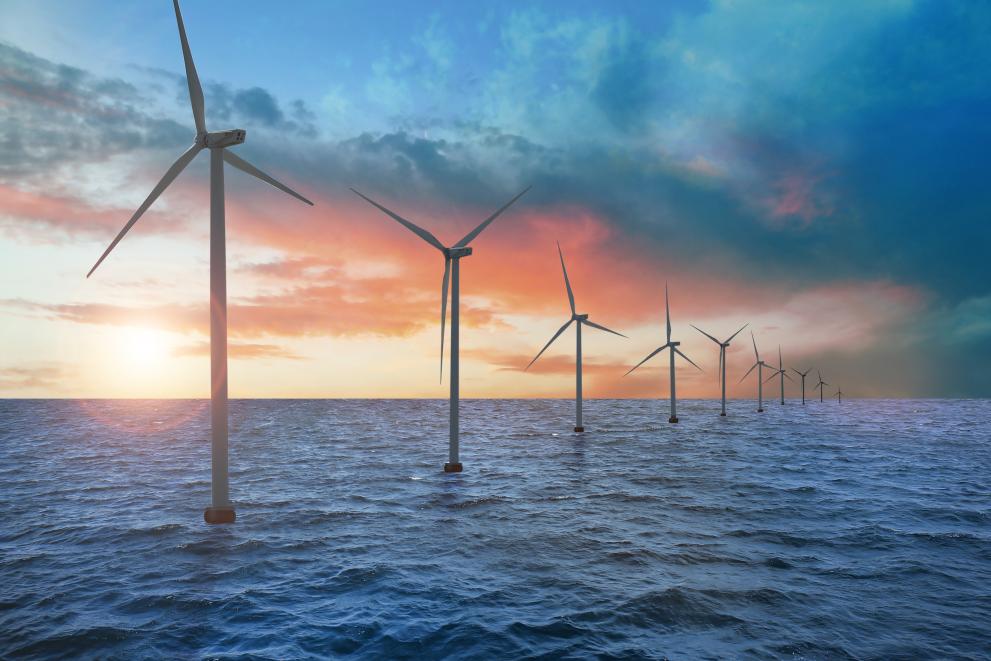
Introduction to Offshore Wind Energy in the Adriatic
As Europe continues to strive for a more sustainable energy future, the concept of harnessing wind power from offshore sources has gained significant attention. One such location is the Adriatic Sea, which borders several European countries, including Italy, Croatia, Montenegro, and Albania. In this article, we will explore the possibility of generating electricity through offshore wind farms in the Adriatic Sea, specifically focusing on the Powered Project, a transfrontier research initiative aimed at evaluating the feasibility of producing energy from wind resources in the region.
The Powered Project: A European Collaboration
The Powered Project is a collaborative effort between regional and national authorities, institutions, and private entities from six countries – Italy (Abruzzo, Marche, Puglia, Molise), Croatia (Komiza), Montenegro (Ministry of Economy), Albania (Ministry of Economy, Commerce, and Energy) – to assess the potential of wind energy in the Adriatic Sea. The project aims to produce a comprehensive report on the feasibility of offshore wind farms in the region, taking into account both technical and economic factors.
Why Offshore Wind Farms in the Adriatic?
The Adriatic Sea offers several advantages for offshore wind farming:
- Strong winds: The Adriatic Sea experiences strong and consistent winds throughout the year, making it an ideal location for generating electricity from wind power.
- Limited visual impact: Offshore wind farms can be constructed at a distance from coastal areas, minimizing their visual impact on local communities.
- Access to existing infrastructure: Many of the countries involved in the Powered Project already have existing offshore energy infrastructure, such as ports and transmission lines, which can facilitate the development of offshore wind farms.
The Role of Torries Anemometriche
To assess the potential of wind energy in the Adriatic Sea, the project will deploy torries anemometriche (wind measuring towers) to collect data on wind speeds and directions. These towers will be installed both on land and in the sea, providing a comprehensive picture of the region’s wind resources.
Data Analysis and Reporting
The collected data will be analyzed by the University of Politecnica delle Marche, the project’s scientific reference institution, to produce a detailed report on the feasibility of offshore wind energy in the Adriatic Sea. The report will cover both technical and economic aspects, including:
- Technical feasibility: An evaluation of the potential for generating electricity from wind resources in the region.
- Economic viability: A consideration of the costs associated with developing and maintaining an offshore wind farm in the Adriatic Sea.
Impacts on the Environment
The Powered Project will also investigate the environmental impacts of offshore wind farms in the Adriatic Sea, focusing on:
- Marine life: An assessment of the potential effects of wind turbines on marine ecosystems.
- Coastal erosion: A study of the impact of wind turbines on coastal erosion and sedimentation processes.
Challenges Associated with Offshore Wind Farms
While offshore wind farms hold great promise, there are several challenges associated with their development:
- High upfront costs: The construction of an offshore wind farm can be expensive due to the complexity of the project.
- Distance from shore: The placement of wind turbines in the Adriatic Sea poses logistical and operational challenges.
- Safety concerns: Offshore wind farms require specialized vessels and equipment for maintenance and repairs.
Conclusion
The Powered Project represents a significant step towards assessing the potential of offshore wind energy in the Adriatic Sea. By conducting thorough research and analysis, we can gain a better understanding of the technical and economic feasibility of harnessing wind power from this region. As Europe continues to strive for a more sustainable future, projects like Powered will play a crucial role in helping us achieve our energy goals.
Frequently Asked Questions
- What is the Powered Project?
- The Powered Project is a transfrontier research initiative aimed at evaluating the feasibility of producing energy from wind resources in the Adriatic Sea.
- Which countries are involved in the Powered Project?
- The Powered Project involves six European countries: Italy (Abruzzo, Marche, Puglia, Molise), Croatia (Komiza), Montenegro (Ministry of Economy), and Albania (Ministry of Economy, Commerce, and Energy).
- What is the purpose of deploying torries anemometriche?
- The deployment of torries anemometriche is to collect data on wind speeds and directions in order to assess the potential of wind energy in the Adriatic Sea.
- Who will analyze the collected data?
- The University of Politecnica delle Marche, the project’s scientific reference institution, will analyze the collected data to produce a detailed report on the feasibility of offshore wind energy in the Adriatic Sea.
- What are some potential environmental impacts associated with offshore wind farms?
- Potential environmental impacts include effects on marine life, coastal erosion, and sedimentation processes.
By exploring the possibilities of harnessing wind power from the Adriatic Sea, we can take a significant step towards creating a more sustainable energy future for Europe.
Future Directions
The Powered Project’s findings will serve as a crucial stepping stone for further research into offshore wind energy in the Adriatic Sea. Future directions may include:
- Development of advanced wind turbine designs: Research into new wind turbine designs that can take advantage of the strong and consistent winds in the Adriatic Sea.
- Investigation of floating wind farms: Exploration of the feasibility of developing floating wind farms in the Adriatic Sea, which could provide a more efficient way to harness wind energy from the region’s deep waters.
As the world continues to grapple with the challenges of climate change and sustainable energy production, projects like Powered Project will play an increasingly important role in helping us find innovative solutions.


