
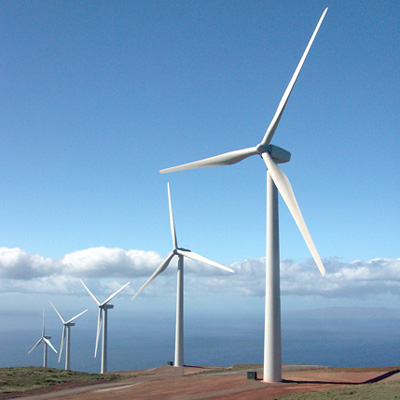
As the most sought-after destination in the Pacific Ocean, the state of Hawaii is not just a paradise for surfers, but also a leader in embracing renewable energy. The island of Oahu has made significant strides in reducing its reliance on fossil fuels, with wind power playing a crucial role in this transition.
A Windy Future: Harnessing the Power of the Trade Winds
The trade winds that sweep across Hawaii’s islands have long been harnessed by surfers and sailors alike. But now, these same winds are being leveraged to generate electricity for homes and businesses. The Oahu Electric Company has installed a wind farm on the North Shore, which will supply 69 megawatts of power – enough to meet up to 10% of the island’s annual energy needs.
The trade winds have been an integral part of Hawaii’s culture for centuries, providing a reliable source of energy for traditional Hawaiian practices like fishing and farming. However, with the increasing demand for electricity, it was clear that new sources of renewable energy needed to be explored. Wind power has emerged as a viable option, offering a cleaner alternative to fossil fuels.
The Kawailoa Wind Farm: A Major Leap Forward
Located on the North Shore of Oahu, the Kawailoa Wind Farm is a significant milestone in Hawaii’s journey towards cleaner energy. By 2030, it’s estimated that 70% of the state’s electricity will come from renewable sources. The wind farm not only provides a sustainable source of energy but also serves as a model for responsible land use and conservation.
The Kawailoa Wind Farm is a joint venture between the Oahu Electric Company, Kamehameha Schools, and the City and County of Honolulu. The project involves the construction of 30 turbines, each standing over 250 feet tall, which will generate enough electricity to power approximately 16,000 homes.
A Balance Between Progress and Preservation
While the installation of wind farms can be contentious, with concerns over property rights and environmental impact, proponents argue that this technology can help preserve Hawaii’s natural beauty. As Giorgio Caldarone, asset manager for Kamehameha Schools, notes: “This project not only helps the state reach its renewable energy goals but also supports sustainable agriculture for future generations.”
However, there are concerns about the impact of wind farms on local ecosystems and wildlife habitats. The construction of turbines can disrupt natural habitats, causing harm to birds and other animals. To mitigate this risk, developers must implement measures such as habitat conservation and species-friendly turbine placement.
The Benefits of Wind Power
So what are the advantages of wind power? For starters, it’s a clean and renewable source of energy that produces no emissions or pollution. In Hawaii, where the demand for electricity is high due to tourism, wind power can help reduce the state’s reliance on fossil fuels – currently, about 300,000 barrels of gasoline are used annually for electricity generation.
Wind power also offers several economic benefits, including job creation and stimulating local economies. The construction of wind farms creates employment opportunities in fields like engineering, maintenance, and installation, contributing to Hawaii’s overall economic growth.
A Bright Future for Renewable Energy
As the world continues to grapple with climate change and energy security, Hawaii’s commitment to wind power serves as a beacon of hope. By embracing this technology, the state is not only reducing its carbon footprint but also creating jobs and stimulating local economies.
Hawaii’s success in harnessing wind power can serve as a model for other states and countries looking to transition to renewable energy sources. The island nation’s commitment to sustainability and environmental conservation has inspired international cooperation and innovation in the field of renewable energy.
The Role of Education in Shaping Public Perception
The Kamehameha Schools’ support for wind power projects like Kawailoa Wind Farm demonstrates the importance of education in shaping public perception about renewable energy. By providing accurate information and fostering a sense of community ownership, we can build a more sustainable future for generations to come.
Education plays a critical role in promoting awareness and understanding of wind power benefits and addressing community concerns. By engaging with local communities and addressing their fears and misconceptions, we can build trust and support for renewable energy projects like the Kawailoa Wind Farm.
A Growing Industry: The Future of Wind Energy
The wind industry is growing rapidly, with new installations and innovations on the horizon. As technology improves and costs decrease, wind power is becoming an increasingly viable option for communities around the world.
One of the most significant advancements in wind energy is the development of larger turbines that can generate more electricity while minimizing environmental impacts. The next-generation turbines are designed to be quieter, more efficient, and more durable than their predecessors, making them a more attractive option for wind farms.
Challenges Ahead: Addressing Community Concerns
While there are many benefits to wind power, there are also concerns about community impact. For example, noise pollution from turbines can be an issue, as well as visual impacts on rural landscapes. To address these concerns, it’s essential that developers work closely with local communities and implement measures to minimize negative effects.
Developers must engage in active listening and collaboration with local residents to understand their concerns and develop solutions that meet the needs of both parties. This requires a willingness to adapt and innovate, incorporating community feedback into the design and operation of wind farms.
Conclusion: A New Era for Renewable Energy in Hawaii
The installation of wind farms like Kawailoa Wind Farm marks a significant turning point for Hawaii’s energy landscape. As the state continues to push towards 100% renewable energy, we can expect to see more innovations and investments in this sector.
By embracing wind power and other clean technologies, Hawaii is poised to become a leader in sustainable energy – and set an example for the world to follow. The Kawailoa Wind Farm serves as a model for responsible land use and conservation, demonstrating the potential for renewable energy to coexist with natural beauty and community needs.
As we look towards a future powered by 100% renewable energy, Hawaii’s commitment to wind power is a beacon of hope for communities around the world. By learning from this example and adopting innovative solutions, we can create a more sustainable, equitable, and prosperous future for all.
Frequently Asked Questions
- How much electricity will the Kawailoa Wind Farm generate?
The Kawailoa Wind Farm will supply 69 megawatts of electricity, meeting up to 10% of Oahu’s annual energy needs. - What are the environmental impacts of wind farms?
Wind farms can have visual and noise impacts on rural landscapes, but measures such as turbine placement and noise mitigation strategies can minimize these effects. - Can wind power meet 100% of Hawaii’s energy needs?
Yes, with sufficient investment and infrastructure development, wind power could play a significant role in meeting Hawaii’s renewable energy goals. - What is the current state of wind energy policy in Hawaii?
Hawaii has set ambitious targets for renewable energy adoption, with plans to generate 100% of its electricity from clean sources by 2045. - How will the Kawailoa Wind Farm impact local agriculture?
The project’s developers have incorporated measures to minimize impacts on local agriculture, including habitat conservation and sustainable land use practices. - What role can education play in shaping public perception about wind power?
Education plays a critical role in promoting awareness and understanding of wind power benefits and addressing community concerns. - Are there any plans for further wind farm development in Hawaii?
Yes, several developers have announced plans to build new wind farms on other Hawaiian islands, including Maui and the Big Island. - What is the expected impact of wind energy on Hawaii’s economy?
Wind energy is expected to create jobs and stimulate local economies, contributing to Hawaii’s overall economic growth.
Additional Resources
- National Renewable Energy Laboratory (NREL): Provides information on wind energy technology, policy, and market trends.
- American Wind Energy Association (AWEA): Offers insights into the wind industry, including data on installations and innovation.
- Hawaii Department of Natural Resources: Offers information on environmental regulations and permitting processes for wind farm development.
By embracing the potential of wind power and other clean technologies, we can create a more sustainable future for generations to come. As leaders in renewable energy, Hawaii and its citizens are setting an example for the world to follow – and inspiring innovation and collaboration across the globe.


