
Harnessing the Power of Wind Energy: Benefits and Drawbacks
As we continue to explore alternative energy sources, wind energy has emerged as a promising solution for reducing our reliance on fossil fuels. In this article, we’ll delve into the benefits and drawbacks of harnessing the power of the wind.
The Benefits of Wind Energy
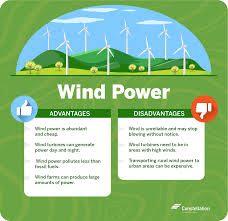
Wind energy is a renewable source that leverages mature technology to produce electricity with relatively low costs per kilowatt-hour (kWh) produced. Some key advantages of wind energy include:
- Renewable and Sustainable: Wind energy is an abundant, inexhaustible, and widely available resource.
- Lower Environmental Impact: Unlike fossil fuels, wind energy produces no greenhouse gas emissions or pollutants that harm the environment.
- Reversible: Wind turbines can be easily dismantled and reinstalled to restore the land to its original state.
- Lower Operating Costs: The cost of installing and maintaining wind turbines is relatively low compared to traditional power plants.
Increasing Energy Production
Advancements in technology have led to significant increases in energy production from wind turbines. Some notable examples include:
- Larger Turbines: Advancements in turbine design have enabled the construction of larger, more efficient turbines that can generate more electricity with less material.
- Higher Hub Heights: Increased hub heights have allowed turbines to capture more wind energy, leading to higher capacity factors and increased production.
- Advanced Control Systems: Improved control systems have enabled turbines to optimize their performance in real-time, maximizing energy production and minimizing downtime.
Global Wind Energy Market Trends
The global wind energy market is rapidly expanding, driven by decreasing costs, increasing demand for renewable energy, and supportive government policies. Some key trends shaping the industry include:
- Growing Demand for Renewable Energy: Increasing concerns about climate change, air pollution, and energy security are driving demand for renewable energy sources like wind power.
- Decreasing Costs: Advances in technology have led to significant reductions in the cost of wind energy production, making it more competitive with fossil fuels.
- Expanded Global Market: The global wind energy market is becoming increasingly interconnected, with countries and companies collaborating on large-scale projects and sharing best practices.
Overcoming Challenges
To address the challenges associated with wind energy development, researchers are working on developing more efficient energy storage systems that can help stabilize the grid and provide a reliable source of power. For example:
- Advanced Energy Storage Systems: Scientists are exploring new materials and technologies that can improve the efficiency and lifespan of energy storage batteries.
- Grid-Scale Energy Storage: Large-scale energy storage systems are being developed to store excess energy generated by wind turbines during periods of high production and release it when needed.
Wind Farm Design and Placement
Effective design and placement of wind farms can significantly impact their performance, efficiency, and environmental footprint. Some key considerations include:
- Scalability: Wind farm design should be scalable to accommodate varying levels of energy production.
- Environmental Impact: Wind farm placement should minimize visual impacts on scenic views or historical sites while maximizing the amount of renewable energy generated.
- Community Engagement: Engaging with local communities and stakeholders can help ensure that wind farms are developed in a responsible, sustainable manner.
Future Outlook
As we continue to transition towards a more sustainable energy future, it’s essential to explore all available options and work towards creating a cleaner, healthier environment for generations to come. The future of wind energy looks promising, with ongoing research and development focused on improving efficiency, reducing costs, and addressing environmental concerns.
Frequently Asked Questions
- What is the average cost of wind energy per kWh?
- The average cost of wind energy per kWh varies depending on location, technology, and other factors. However, with decreasing costs over the years, wind energy has become increasingly competitive with fossil fuels.
- How do wind turbines affect avian populations?
- Wind turbines can pose a risk to nocturnal birds due to their rotating blades, which can cause fatal collisions. However, researchers are working on developing more bird-friendly turbine designs and mitigation strategies.
- What is the role of energy storage in wind energy systems?
- Energy storage plays a critical role in stabilizing the grid and providing a reliable source of power. As technology advances, we can expect to see more efficient and cost-effective energy storage solutions emerge.
- How can communities mitigate the visual impact of wind turbines?
- Communities can work with developers and regulators to identify suitable locations for wind turbines that minimize visual impacts on scenic views or historical sites.
- What are some innovative approaches to wind energy development?
- Researchers are exploring new technologies, such as floating wind turbines and urban wind farms, that could help unlock the full potential of wind energy.


