
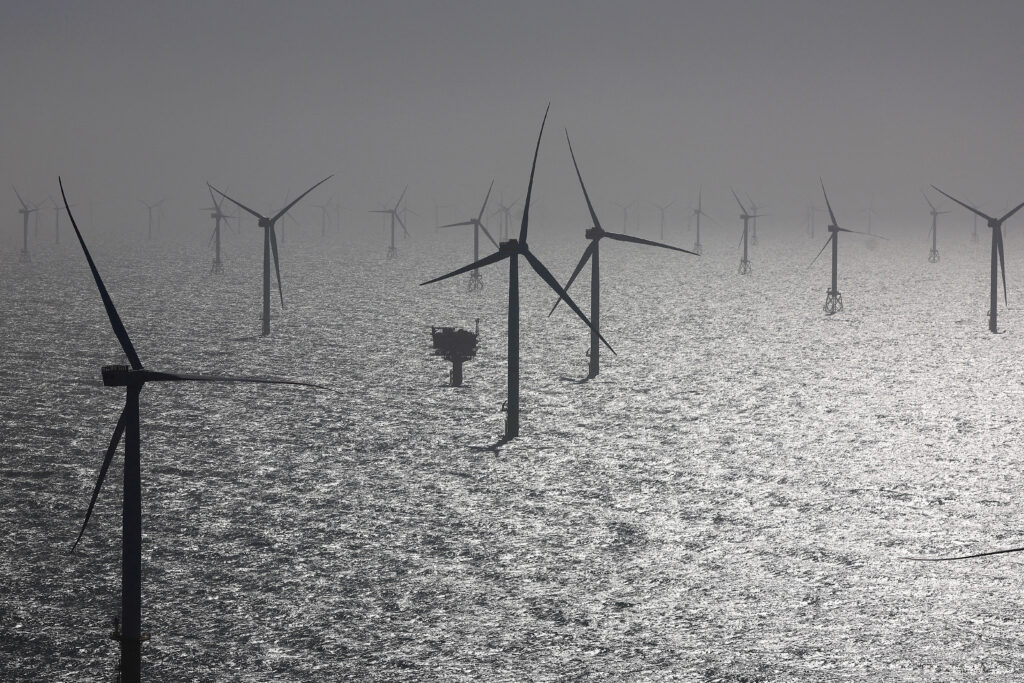
Wind power is often portrayed as a clear-cut solution for our energy needs. However, the reality is far more nuanced. With numerous controversies surrounding its use, it’s time to delve into the complexities of wind power and explore the various concerns that have been raised.
The Controversies Surrounding Wind Power
From acoustic pollution to wildlife harm, there are several issues that have sparked heated debates about wind power. While some argue that these concerns are overstated, others believe that they warrant stricter regulations. As we navigate this complex landscape, it’s essential to examine the various perspectives and seek out evidence-based solutions.
Acoustic Pollution: A Growing Concern
In the US, one of the primary concerns surrounding wind power is acoustic pollution. A recent study revealed that the noise produced by wind turbines can cause annoyance, but there’s no conclusive link between this sound and long-term health issues. However, as we explore the impact of wind turbines on human health, it’s crucial to consider the potential effects of chronic exposure to noise.
Acoustic pollution is a concern for residents living near wind farms, who often experience increased levels of noise pollution due to the proximity of turbines to their homes. While some argue that these sounds are too faint to cause harm, others believe that even low-level noise can have negative effects on human health and well-being.
Wildlife Damage: A Concern for Conservationists
In Italy, wildlife damage is a significant concern when it comes to wind power. The impact of these installations on local ecosystems and species is a pressing issue that requires careful consideration. As we weigh the pros and cons of wind power, it’s essential to prioritize conservation efforts and explore innovative solutions.
Birds, bats, and other wildlife have been known to collide with wind turbines, resulting in significant mortality rates. While some argue that these collisions are inevitable due to the presence of turbines in natural habitats, others believe that more can be done to mitigate this impact.
Workplace Safety: A Critical Issue
The rapidly expanding renewable energy market in Italy has led to an increased focus on workplace safety in the wind industry. With over 29,000 employees currently working in this sector (with an expected 67,000 by 2020), ensuring a safe working environment is crucial. In 2011, the country held a conference dedicated to workplace safety, highlighting the importance of training and preventive measures.
Workplace accidents are a significant concern in the wind industry, with some studies suggesting that workers are at a higher risk of injury due to the physical demands of their job. By implementing effective safety protocols and providing comprehensive training programs, employers can minimize these risks and create a safer working environment for employees.
The Aesthetic Impact: A Subject of Debate
One of the most contentious issues surrounding wind power is its aesthetic impact on scenic beauty. While some argue that wind turbines can be viewed as integral to the landscape, others see them as alien objects that detract from the natural beauty of an area. As we navigate this complex issue, it’s essential to consider multiple perspectives and explore innovative solutions.
Tourism plays a significant role in many regions, with wind farms often located in areas prized for their natural beauty. The aesthetic impact of these installations can be detrimental to local economies, with some tourists choosing not to visit areas featuring large numbers of turbines.
Mini-Turbines: A Solution to Acoustic Pollution
The adoption of mini-turbines has been hailed as a potential solution to acoustic pollution concerns. These smaller turbines produce significantly less noise, which can decrease the environmental impact on wildlife. As we explore alternative solutions to wind power, it’s crucial to consider the benefits and drawbacks of each approach.
Mini-turbines are often more expensive than traditional turbines, but their reduced noise levels make them an attractive option for areas with high levels of acoustic pollution. By integrating these smaller turbines into existing wind farms, developers can reduce the overall impact of wind power on local ecosystems while still meeting energy demands.
The Cost-Effectiveness of Wind Power
Despite the controversies surrounding wind power, one fact remains clear: it is a cost-effective solution for our energy needs. With the cost of renewable energy decreasing dramatically over the years, investing in this sector can have significant long-term benefits.
Wind power is often compared to fossil fuels, which are finite resources with significant environmental costs associated with extraction and combustion. By transitioning to wind power, we can reduce our reliance on these resources and decrease greenhouse gas emissions, ultimately contributing to a more sustainable future.
The Role of Technology in Wind Power Development
Advancements in technology have played a crucial role in the development of wind power. Improved turbine designs, increased efficiency, and advances in materials science have all contributed to a significant reduction in costs and an increase in energy production.
As we look to the future, it’s clear that technological innovation will continue to play a vital role in shaping the wind power industry. By exploring new materials, improving manufacturing processes, and integrating emerging technologies like AI and machine learning, developers can create more efficient, cost-effective, and environmentally friendly turbines.
Challenges and Opportunities for Wind Power Development
As we move forward with wind power development, it’s essential to address the challenges that lie ahead. By prioritizing conservation efforts, exploring innovative solutions, and engaging in open discussions, we can work towards finding a balance between wind power development and environmental concerns.
One of the primary challenges facing wind power development is the integration of these turbines into existing energy grids. As the demand for renewable energy increases, it’s essential that we develop more efficient methods for integrating these turbines into our energy systems.
Conclusion
Wind power is not simply black and white; it’s a complex issue that requires careful consideration of multiple perspectives. By exploring the various concerns surrounding wind power and examining evidence-based solutions, we can work towards creating a more sustainable future.
As we continue to navigate the complexities of wind power, it’s clear that this technology has significant potential for reducing our reliance on fossil fuels and decreasing greenhouse gas emissions. By prioritizing innovation, conservation, and open dialogue, we can ensure that wind power plays a vital role in shaping a more sustainable energy landscape for generations to come.
Frequently Asked Questions (FAQs)
- What are the main concerns surrounding wind power?
Wind power is surrounded by several controversies, including acoustic pollution, wildlife harm, aesthetic impact on scenic beauty, and workplace safety.
- Is there a link between wind turbine noise and long-term health issues?
According to recent studies, there is no conclusive evidence linking wind turbine noise to long-term health issues.
- Can mini-turbines significantly reduce the environmental impact of wind power?
Yes, mini-turbines produce significantly less noise than traditional turbines, which can decrease the environmental impact on wildlife.
- What is the cost-effectiveness of wind power compared to other energy sources?
Wind power is a cost-effective solution for our energy needs, with the cost of renewable energy decreasing dramatically over the years.
- How does Italy prioritize workplace safety in the wind industry?
Italy prioritizes workplace safety by implementing mandatory training programs and conducting regular audits to ensure a safe working environment.
- Can wind turbines be viewed as integral to scenic beauty rather than alien objects?
While some argue that wind turbines can be viewed as part of the landscape, others see them as detracting from natural beauty.
- What are the environmental benefits of adopting mini-turbines?
The adoption of mini-turbines significantly reduces acoustic pollution and can decrease the environmental impact on wildlife.
- How can we balance the needs of wind power development with concerns about scenic beauty and wildlife harm?
By prioritizing conservation efforts, exploring innovative solutions, and engaging in open discussions, we can work towards finding a balance between wind power development and environmental concerns.


