
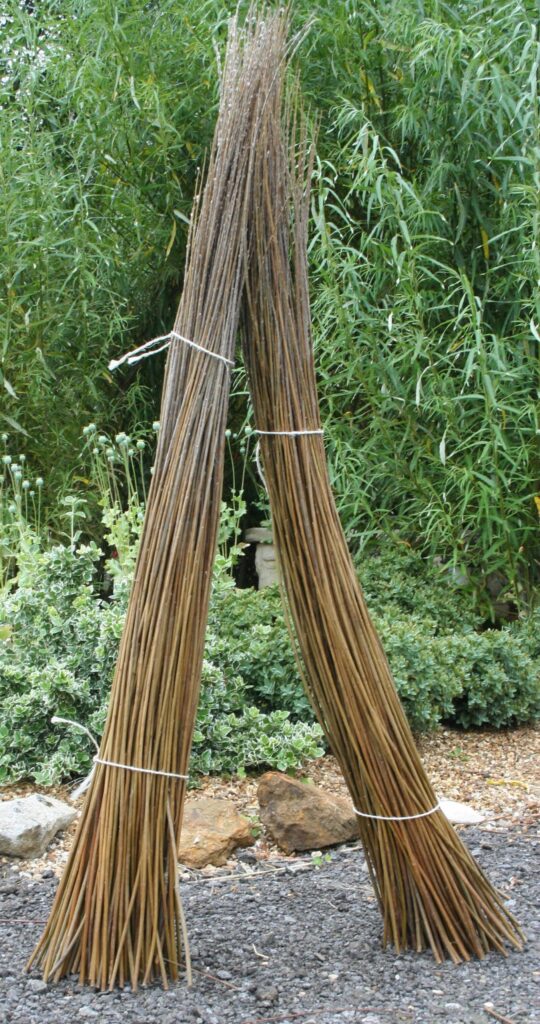
Willow is a versatile plant that offers a multitude of uses for crafty individuals. From creating woven fences and trellises to decorating garden pots and making unique decorative items, willow can be used in various creative ways.
The many uses of willow
Willow is a highly flexible plant with long, sinuous branches that make it ideal for weaving and other crafts. The flexibility of the willow branch allows for intricate patterns and designs to be created. One of the most popular applications of willow is in making baskets and other decorative items.
Different species of willow
When discussing willow, we are typically referring to a genus that encompasses several different species. Two of the most commonly used species are Salix viminalis, Salix purpurea, and Salix alba. These species offer unique characteristics and uses for crafters.
Preparing willow for weaving
To create intricate woven designs, it is essential to prepare the willow branches before starting your project. The key step in preparing willow is to soften the branches to make them more pliable. This can be done by soaking the branches in water or using a specialized technique that involves heating the wood.
Soaking willow in water
To make the willow branches more pliable, it’s recommended to soak them in water for a day or two before starting your project. This process allows the wood to absorb moisture and become more flexible. It’s also essential to change the water regularly to prevent bacterial growth and ensure that the branches remain clean.
Using freshly cut willow
When working with freshly cut willow, it’s essential to take certain precautions. Freshly cut willow is more brittle and prone to breaking than older material. To minimize breakage, it’s best to use freshly cut willow when possible. However, if you do need to work with older willow, make sure to prepare it properly by soaking it in water for an extended period.
Heating the wood
Another method of preparing willow is by heating it. This process involves using a specialized tool or heat source to soften the wood, making it more pliable. Heating the wood can be done using a variety of methods, including microwaves or specialized tools designed specifically for this purpose.
Creating a simple woven fence
One of the most common uses of willow is in creating woven fences. To create a simple woven fence, you’ll need to follow these steps:
- Gather materials: You’ll need freshly cut willow branches, stakes or posts for support, and some wire or twine for securing the weave.
- Prepare the site: Choose a location for your fence and mark out the area where you want to build it. Stakes or posts should be spaced 30-35 cm apart to provide support for the woven design.
- Begin weaving: Start by placing the first stake in the ground, followed by a willow branch. Weave the branch over the stake, then repeat the process with additional branches.
- Continue weaving: As you add more branches to the weave, make sure to secure them tightly with wire or twine.
Alternative materials for garden trellises
While willow is an excellent material for creating garden trellises, there are other alternatives available. Some popular options include:
- Clematis: A climbing plant that provides a natural trellis structure.
- Honeysuckle: A flowering vine that can be trained to grow up a trellis or arbor.
- Hydrangea: A shrub that produces large, showy flowers and can be pruned to create a trellis-like structure.
Benefits of using willow for garden trellises
Using willow for garden trellises offers several benefits. One of the main advantages is its ability to provide natural support for climbing plants, such as clematis or honeysuckle. Willow also adds a unique and attractive element to any garden, creating a sense of serenity and tranquility.
Types of woven fences
There are several types of woven fences that can be created using willow branches. Some popular options include:
- Herringbone fence: A classic design featuring interlocking willow branches in a herringbone pattern.
- Chevron fence: A modern design featuring chevron-shaped willow branches.
- Twisted rope fence: A unique design featuring twisted and turned willow branches.
Conclusion
Willow is an incredibly versatile plant with a multitude of uses for crafty individuals. From creating woven fences and trellises to decorating garden pots and making unique decorative items, willow can be used in various creative ways. By understanding the different species of willow and how to prepare them for weaving, you’ll be able to unlock the full potential of this beautiful plant.
FAQs
- What is the best way to store freshly cut willow branches? Storing freshly cut willow branches in a cool, dry place can help preserve their flexibility.
- How do I prevent my woven fence from becoming too loose over time? Regularly inspecting and tightening the weave can help maintain its stability.
- Can I use willow for outdoor furniture? While willow is an excellent material for creating decorative items, it may not be suitable for outdoor furniture due to its natural rotting process.
- Are there any specific safety precautions I should take when working with freshly cut willow branches? Yes, freshly cut willow branches can be brittle and prone to breaking. Be cautious when handling them to avoid injury.
- Can I use willow for making baskets or other decorative items that will be exposed to the elements? While it’s technically possible, willow may not be the best choice due to its natural rotting process.
- How can I create a more stable woven fence using willow branches? Adding additional support structures, such as stakes or posts, can help maintain stability.
- Are there any local regulations or restrictions on using willow for crafting purposes? It’s always best to check with local authorities before harvesting or using willow for crafting purposes.
By following these guidelines and tips, you’ll be able to unlock the full potential of this beautiful plant and create unique and functional items that enhance your garden or home.


