
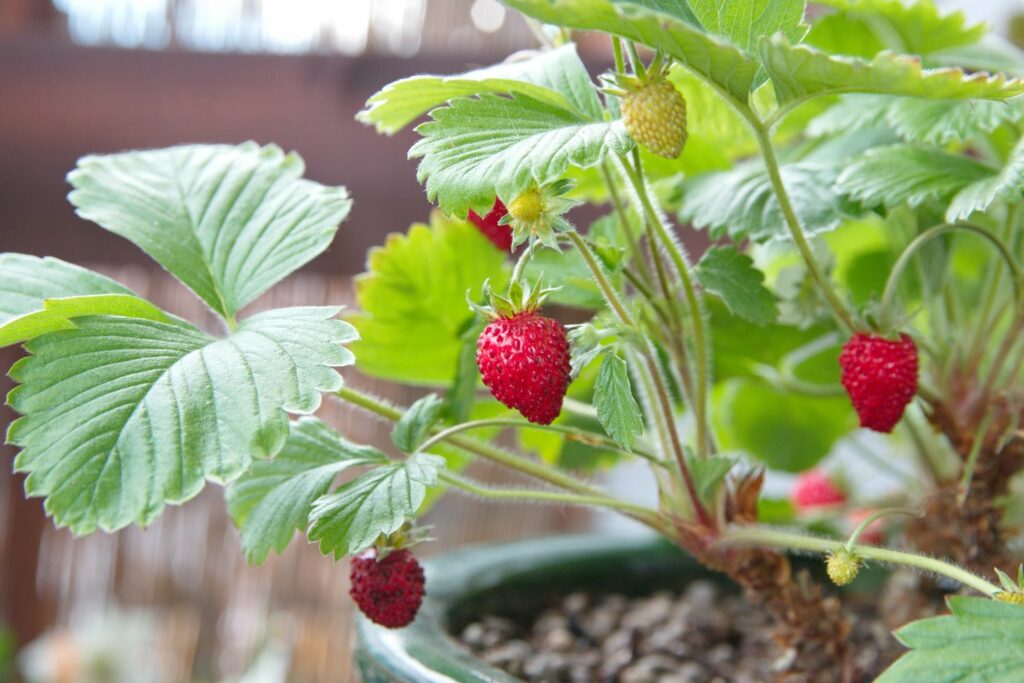
As we navigate the aisles of our local supermarkets, it’s easy to get caught up in the idea that “strawberry” is synonymous with the sweet, cultivated fruit we’re familiar with. But what about wild strawberries? Also known as fragole di bosco, these elusive berries are a different story altogether.
To find genuine wild strawberries, you won’t be able to just pop down to your local grocery store (unless you have an excellent fruiterer on speed dial). No, you’ll need to embark on a quest to track them down. And it’s not just about timing; these elusive berries are limited by geography – with the best spots found in mountainous regions between April and August.
But here’s the thing: wild strawberries aren’t just for snacking. Their leaves and roots can be used in all sorts of unexpected ways, from making a natural toothpaste to creating a rejuvenating face mask.
The Joy of Foraging
Foraging for wild strawberries is an art form that requires patience, dedication, and a bit of luck. As you wander through the woods, keeping your eyes peeled for the telltale white flowers and glossy leaves, you’ll be rewarded with a sweet treat that’s hard to find elsewhere.
But it’s not just about the thrill of the hunt – wild strawberries also offer a wealth of health benefits. The fruit is packed with antioxidants, vitamins, and minerals that can help boost your immune system and support overall well-being.
Beyond the Fruit
So what else can you do with wild strawberries? For starters, their leaves make an excellent toothpaste ingredient when blended with baking soda. This natural remedy is said to be gentle on gums and even more effective at removing plaque than commercial toothpastes.
But that’s not all – the roots of the plant have been used for centuries in traditional medicine to treat a range of ailments, from digestive issues to skin problems. And did you know that wild strawberry leaves can be used as a natural dye?
The Power of Ancient Wisdom
Wild strawberries have been a part of human culture for thousands of years. In ancient Greece, the physician Theophrastus wrote extensively about their medicinal properties. Meanwhile, famous poets like Ovid and Virgil sang their praises.
Fast forward to the 17th century, when botanist Carolus Linnaeus credited the humble wild strawberry with curing his gout – a claim that’s still being discussed today.
The Debate: Cultivated vs Wild Strawberries
One thing’s for sure: cultivated strawberries can cause allergic reactions in some people. But do wild strawberries share this problem? We’re not entirely convinced, but we’ll leave that debate for another time.
Preparing Your Wild Strawberry Delights
So how do you make the most of these incredible plants? Here are a few ideas to get you started:
- Infuse your home with the fragrance and flavor of wild strawberry leaves by making a tea from fresh or dried leaves.
- Create a soothing face mask using pureed strawberries, honey, and yogurt.
- Mix crushed roots with water to create a natural dye for fabric and paper.
Using Wild Strawberries in Skincare
Wild strawberries have been used in skincare routines for centuries due to their high antioxidant content. Here are some ways you can incorporate wild strawberries into your beauty routine:
- Use pureed strawberries as a face mask to help reduce inflammation and promote cell turnover.
- Add a few drops of strawberry extract to your moisturizer for an extra boost of hydration and antioxidants.
- Make a strawberry lip balm by mixing crushed roots with beeswax and coconut oil.
Using Wild Strawberries in Cooking
Wild strawberries can be used in a variety of recipes, from sweet treats like cakes and tarts to savory dishes like salads and stir-fries. Here are some ideas for using wild strawberries in cooking:
- Add fresh or dried wild strawberries to your favorite oatmeal recipe for a burst of flavor.
- Use pureed strawberries as a topping for yogurt or ice cream.
- Make a strawberry sauce by mixing crushed roots with sugar and lemon juice.
Conclusion: Unlocking the Secrets of Wild Strawberries
As we continue our journey into the world of wild strawberries, it becomes clear that this plant is more than just a sweet treat – it’s a gateway to a wealth of knowledge, health benefits, and artistic expression. So next time you’re out foraging in the woods, keep an eye out for these elusive berries – your taste buds (and your skin) will thank you.
Frequently Asked Questions
- What are wild strawberries?
Wild strawberries, also known as fragole di bosco, are a type of plant that produces edible fruits and leaves. - How do I find wild strawberries?
To find wild strawberries, look for areas with suitable climate conditions between April and August. Keep an eye out for white flowers and glossy leaves. - Can I use wild strawberries as a natural toothpaste?
Yes! Wild strawberry leaves can be blended with baking soda to create a gentle and effective toothpaste. - What are the health benefits of wild strawberries?
Wild strawberries contain antioxidants, vitamins, and minerals that support immune system function and overall well-being. - Can I use wild strawberry roots for medicinal purposes?
Yes! Wild strawberry roots have been used in traditional medicine to treat a range of ailments, including digestive issues and skin problems. - Are wild strawberries suitable for everyone?
Some people may be allergic to cultivated strawberries; however, we can’t confirm whether this applies to wild strawberries.


