
Introduction
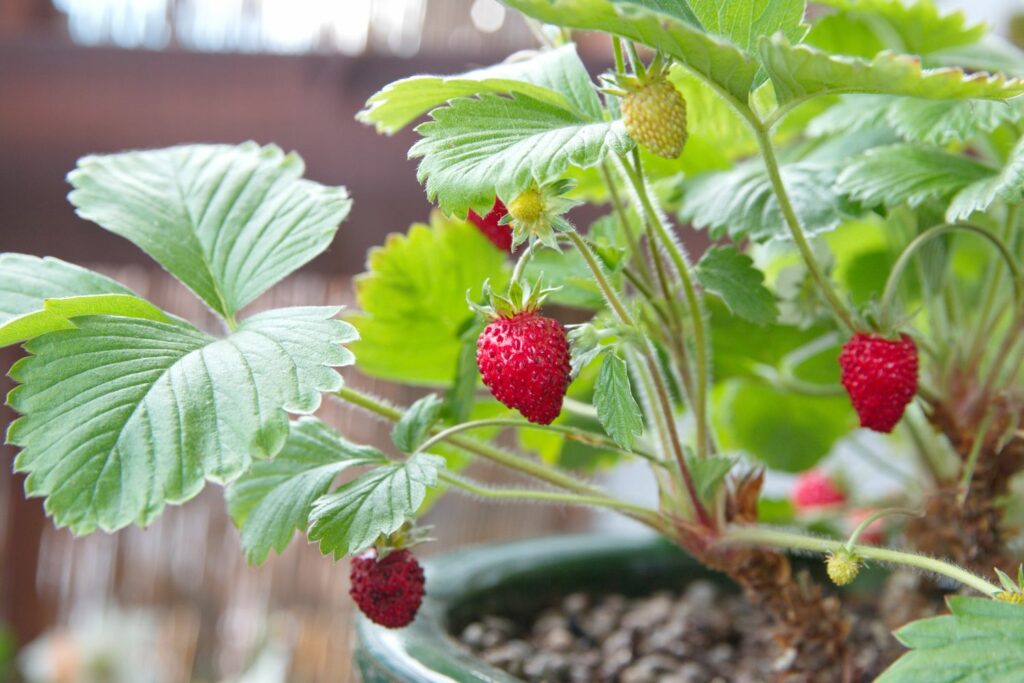
Wild strawberries are a beloved fruit among Italians, known for their sweetness and juiciness. However, they can be quite expensive at the supermarket, with prices reaching over €3 per a small container of 30-50 grams. Fortunately, growing wild strawberries in pots can provide great satisfaction. In this article, we will explore how to cultivate wild strawberries in containers, providing you with the knowledge and tools necessary to enjoy these delicious fruits.
Choosing the Right Location
Before starting your wild strawberry cultivation journey, it’s essential to choose the right location for your pots. Wild strawberries don’t require full sun or bright lighting, making them perfect for partial shade. Place your pots in areas that receive filtered sunlight and maintain a humid environment. Consider the following factors when selecting a location:
- East- or west-facing windows are ideal for wild strawberry cultivation, as they provide gentle, indirect light.
- South-facing windows can work well if shaded with a sheer curtain to prevent scorching.
- Avoid placing your pots in direct sunlight, especially during peak hours (10am-4pm), as this can cause overheating and stress to the plants.
Selecting the Right Pot
To ensure optimal growth, select pots with good drainage and adequate size. For wild strawberry cultivation, it’s recommended to use containers with diameters between 30-35 cm. This will provide enough space for the plants to spread and produce plenty of fruit. Consider the following factors when selecting a pot:
- Use containers made from breathable materials like terracotta or ceramic, which allow for air circulation and moisture regulation.
- Ensure the pots have good drainage holes to prevent waterlogged soil and root rot.
- Avoid using plastic or metal containers, as they can retain heat and cause stress to the plants.
Starting Wild Strawberry Cultivation
You can begin your wild strawberry cultivation by either purchasing potted plants or sowing seeds. Both options are readily available in garden centers and online stores like Amazon. If you prefer to start from seeds, choose a high-quality variety that’s known for its productivity and adaptability.
Sowing Seeds
To sow seeds, use containers with good drainage, such as alveolar pots. The ideal time for sowing is during the spring or late summer, depending on your location and climate. Keep the soil temperature between 16-22°C for optimal germination. Once the seedlings have developed four to five leaves, they can be transferred to their final pot.
Tips for Sowing Seeds
- Use fresh seeds that are suitable for wild strawberry cultivation.
- Plant seeds about 1 cm deep and 2-3 cm apart in each container.
- Water gently but thoroughly after sowing, making sure the soil is moist but not waterlogged.
- Keep the containers in a warm location with indirect light until germination occurs.
Using a Fertilizer
Wild strawberries thrive in acidic soils with high levels of humus and organic matter. Avoid using general-purpose fertilizers, as they may harm your plants. Instead, opt for specialized fruit fertilizers that provide the necessary nutrients, such as nitrogen (N), phosphorus (P), and potassium (K). Look for fertilizers containing microrganismes simbiontes, which will enhance nutrient uptake.
Fertilizing Wild Strawberries
To fertilize your wild strawberries, mix 100 grams of fertilizer with the soil in each pot. Reapply additional fertilizer around mid-May to promote flowering and fruit production. Be sure to choose a natural, biologically approved fertilizer that aligns with organic gardening principles.
Tips for Fertilizing Wild Strawberries
- Use a balanced fertilizer that provides equal amounts of N-P-K.
- Apply the fertilizer in the morning or afternoon to minimize evaporation.
- Avoid over-fertilizing, as this can cause more harm than good to your plants.
Watering Your Wild Strawberries
Wild strawberries are accustomed to living in acidic environments, so avoid using tap water from your plumbing system if it’s alkaline. Instead, use rainwater or distilled water for irrigation. To maintain humidity around the pots, place small pieces of moisture-retentive materials like moss or sphagnum.
Watering Tips
- Water your wild strawberries when the top inch of soil feels dry to the touch.
- Avoid over-watering, as this can cause root rot and other issues.
- Use a watering can or cup with a long spout to avoid washing away soil around the plants.
Pruning Your Wild Strawberries
Wild strawberries require regular pruning to promote healthy growth and fruit production. Prune your plants in late winter or early spring, removing any dead or diseased leaves or stems.
Pruning Tips
- Use clean, sharp tools to prune your wild strawberries.
- Remove any weak or damaged stems to encourage new growth.
- Don’t over-prune, as this can cause stress to the plants and reduce fruit production.
Pest Control and Disease Prevention
Regularly inspect your plants for signs of infestation or disease and use organic pest control methods whenever necessary. Some common pests that affect wild strawberries include:
- Slugs: Use copper tape or sharp gravel around the pot’s rim to deter slugs.
- Aphids: Spray with a mixture of water and mild dish soap to remove aphid colonies.
- Fungus gnats: Remove any infested soil and repot in fresh, well-draining compost.
Conclusion
Growing wild strawberries in pots is a rewarding experience that can provide delicious fruits without breaking the bank. By following these guidelines and adapting to your local climate, you’ll be enjoying fresh wild strawberry fruit in no time.
Frequently Asked Questions (FAQs)
- Q: Can I grow wild strawberries indoors?
A: Yes, but ensure they receive sufficient light. East- or west-facing windows are ideal for wild strawberry cultivation. - Q: How often should I fertilize my wild strawberries?
A: Fertilize every two to three weeks during the growing season to promote healthy growth and fruit production. - Q: What is the optimal temperature range for sowing seeds?
A: Keep the soil temperature between 16-22°C for optimal germination. - Q: Can I grow wild strawberries in containers with poor drainage?
A: No, ensure your pots have good drainage to prevent root rot and other issues. - Q: How long does it take for wild strawberries to produce fruit?
A: Wild strawberries typically take 6-12 months to mature after sowing the seeds. - Q: Can I grow multiple varieties of wild strawberries together?
A: Yes, but ensure they have different growing requirements and space needs. - Q: How do I protect my wild strawberry plants from pests and diseases?
A: Regularly inspect your plants for signs of infestation or disease and use organic pest control methods whenever necessary.
By following these guidelines and FAQ answers, you’ll be well on your way to enjoying delicious homegrown wild strawberries in pots. Happy growing!


