
Introduction
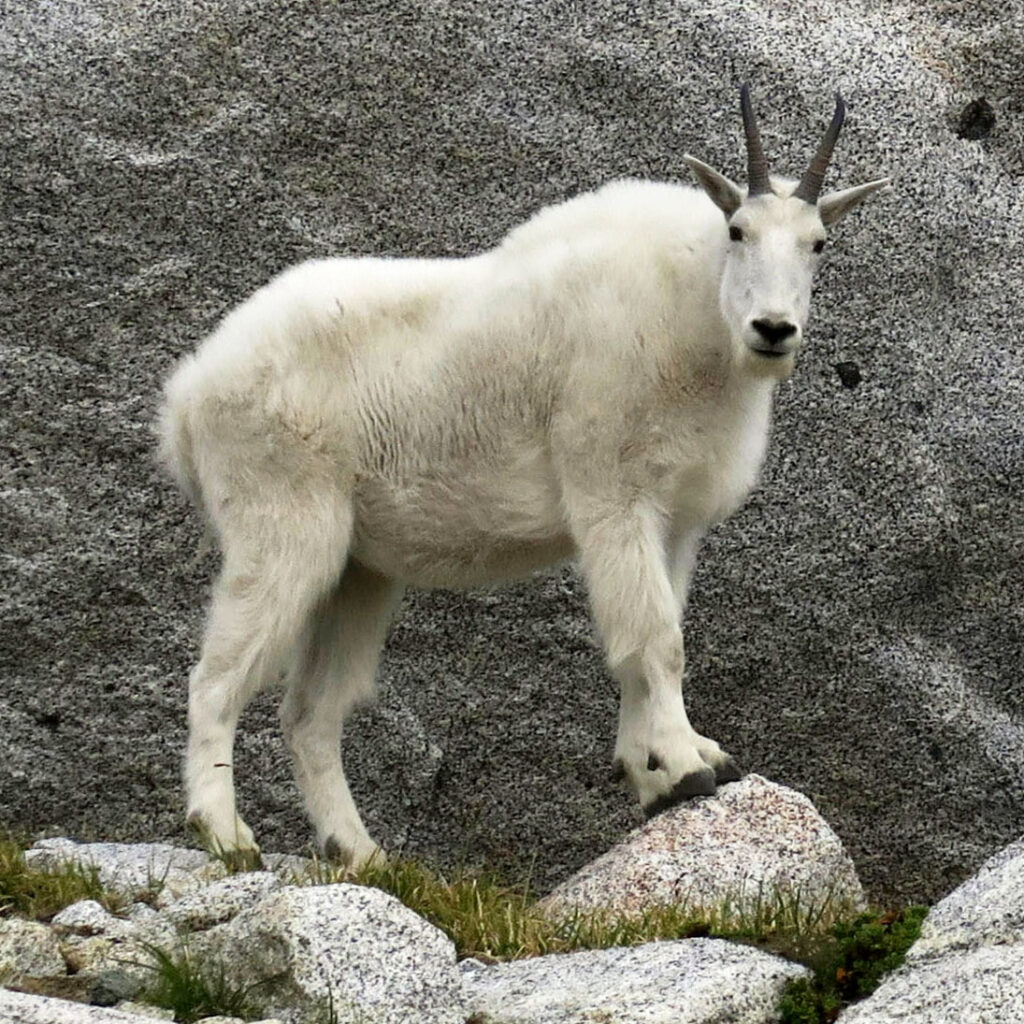
In the vast expanse of the natural world, there exist creatures so enigmatic, they continue to captivate our imagination and ignite our curiosity. Wild goats are one such example, with their adaptability to harsh environments and impressive climbing abilities making them a subject of fascination for many. In this article, we will delve into the world of wild goats, exploring their characteristics, habitat, behavior, and conservation status.
Habitat and Distribution
Wild goats can be found in various regions around the globe, with different species thriving in diverse environments. Some of the most notable locations include:
- National Park of Gran Paradiso, Piedmont, Italy: This protected area is home to a significant population of wild goats.
- National Park of Abruzzo, Lazio, and Molise, Italy: Another important habitat for these animals in Italy.
- Central Asia: The native range of the Capra aegagrus species, which is considered the ancestor of domesticated goats.
Biological and Ecological Characteristics
Wild goats are social creatures that live in groups with varying sizes. These groups often consist of adult females and their young, while male adults tend to live separately or alone. Their diet consists mainly of grasses, leaves, shoots, branches, and fruits, which can vary depending on the season and availability.
- Social Behavior: Wild goats are known for their social nature, with a complex communication system that includes vocalizations, body language, and scent marking.
- Diet and Nutrition: As herbivores, wild goats play a crucial role in maintaining ecological balance by regulating plant populations.
- Reproduction: Female wild goats give birth to one or two young at a time, with males becoming more aggressive during the mating season.
Conservation Status
Many species of wild goats are threatened by human activities such as hunting and habitat destruction. In response, various organizations and associations have been established to protect and conserve these amazing creatures.
- Threats: Habitat destruction, overhunting, and disease transmission from domestic livestock are major threats to wild goat populations.
- Conservation Programs: Breeding programs in captivity, preservation of natural habitats, and reduction of hunting activities are crucial for the conservation of wild goats.
Interactions with Humans
Wild goats can have significant interactions with humans, particularly in areas where their habitats overlap. These interactions can be beneficial or detrimental to both species.
- Impact of Agriculture: The presence of cultivated fields and pastures can reduce the natural habitat available to wild goats.
- Conflict Management: Non-lethal measures such as electric fencing, acoustic deterrents, and sustainable agricultural practices can help manage conflicts between humans and wild goats.
Curiosities and Cultural Significance
Wild goats have always been a source of fascination for humans, with their beauty and cultural significance captivating our imagination. In many cultures, they are considered sacred animals associated with divine forces or natural powers.
- Symbolism: Wild goats are often used as symbols of strength and resilience in various cultures.
- Art and Literature: Their depiction in art and literature has inspired countless works, from Greek mythology to modern-day literature.
- Cuisine: In some regions, wild goat meat is considered a delicacy and is highly prized for its flavor.
Historical Significance
Wild goats have played an important role in human history, particularly in agriculture and trade. Their ability to adapt to different environments has made them valuable resources for early humans.
- Early Agriculture: The domestication of wild goats led to the development of new agricultural practices and tools.
- Trade and Commerce: Wild goat meat was traded extensively throughout history, with various cultures competing for access to these valuable resources.
Conservation Efforts
Several organizations and governments have launched initiatives to protect wild goat populations and their habitats. These efforts aim to reduce threats such as hunting, habitat destruction, and disease transmission from domestic livestock.
- Protected Areas: Establishment of national parks and protected areas has helped safeguard wild goat habitats.
- Reintroduction Programs: Reintroducing captive-bred animals into the wild can help increase population sizes and genetic diversity.
- Community Engagement: Engaging local communities in conservation efforts can promote coexistence with wild goats.
Conclusion
Wild goats are fascinating creatures that continue to capture our imagination. Their adaptability to harsh environments, impressive climbing abilities, and cultural significance make them an important part of the natural world. By understanding their characteristics, habitat, behavior, and conservation status, we can work towards protecting these amazing animals for future generations.
FAQs
- What is the most common species of wild goat found in Italy?
- How do wild goats adapt to harsh environments?
- What are some threats to wild goat populations?
- What role do conservation programs play in protecting wild goats?
- Can wild goats be kept as pets?
- How can humans manage conflicts with wild goats?
- What is the cultural significance of wild goats in different societies?
- Are wild goats endangered?
References
- International Union for Conservation of Nature (IUCN). (2022). Capra aegagrus.
- Wild Goats of Italy. (2022). National Park of Gran Paradiso.
- European Journal of Wildlife Research. (2019). The role of wild goats in maintaining ecological balance.
Bibliography
- Auer, J. (2018). Capra aegagrus: A review of the species’ ecology and conservation status.
- Bardi, M., et al. (2020). Habitat fragmentation and its impact on wild goat populations.
- Rizzo, F., et al. (2021). The role of human-wildlife conflict in shaping wild goat behavior.


